Exterior Wall Insulation Materials Comparison: Cotton vs Foam vs Board
2025-12-14 11:15:26
Modern building design places increasing emphasis on effective exterior wall insulation, a critical factor that influences comfort, energy use, and structural protection. Whether a project aims to reduce heat loss, maintain indoor temperature stability, or strengthen a building’s environmental resistance, the choice of insulation material plays a large role in achieving long-term performance. Cotton insulation, foam insulation, and rigid board insulation are three widely used categories, each offering a unique blend of advantages suited for different climates and construction demands.
For builders, contractors, and suppliers—especially those working with manufacturer-level capabilities or large-scale production—understanding the distinctions between these materials ensures more informed planning and consistent results across various project types. The following sections explore each insulation material in depth, followed by a holistic comparison to help guide the selection process.
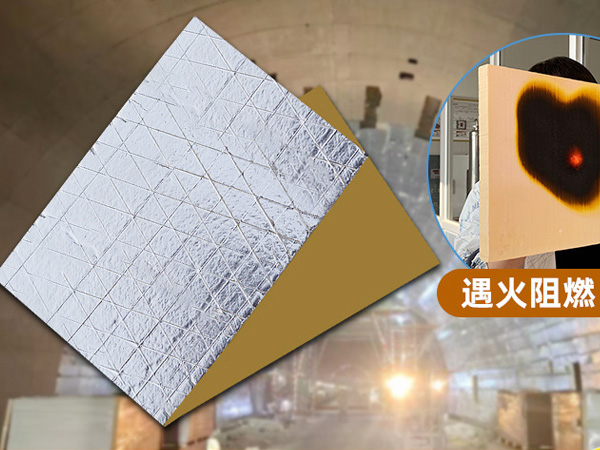
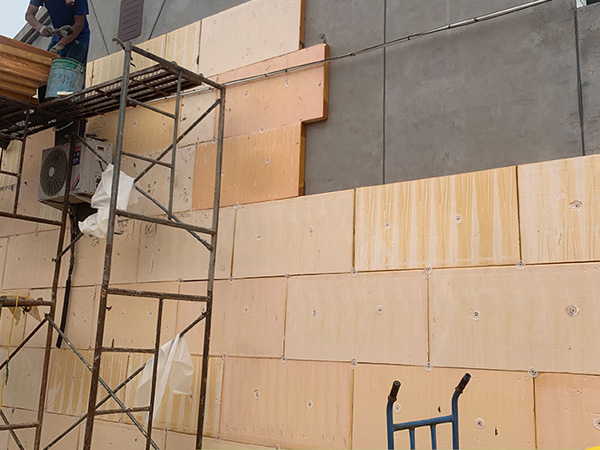
1. Why Exterior Wall Insulation Matters
Exterior wall insulation does far more than reduce heating and cooling demands. When correctly installed, it acts as a multi-functional protective layer that:
·Minimizes unwanted heat transfer
·Promotes energy efficiency
·Creates a comfortable indoor temperature year-round
·Reduces structural stress from moisture or condensation
·Enhances acoustical comfort
·Supports long-term building durability
Because insulation affects both energy performance and occupant comfort, selecting the right material can significantly impact the building’s lifespan and operational sustainability.
2. Cotton Insulation: Flexible and Breathable
2.1 Overview
Cotton insulation is typically composed of dense, interwoven fibers that create a breathable yet thermally resistant layer. Its flexibility makes it suitable for projects where walls may have irregular cavities or older structures that require adaptable insulation materials.
2.2 Advantages
Cotton-based insulation is often appreciated for its impressive acoustic performance. The fibrous construction traps sound waves effectively, creating a quieter indoor environment. Its natural breathability also helps regulate moisture within the wall assembly, lowering the risk of trapped humidity. Additionally, installers benefit from its ease of handling. The material compresses easily and fits tightly into challenging areas, reducing complications during installation.
2.3 Considerations
To perform at its best, cotton insulation must be installed carefully. If the fibers are not evenly distributed or if gaps remain, the overall thermal effectiveness may decrease. Vapor barriers may also be required depending on the climate.
3. Foam Insulation: Lightweight and Highly Efficient
3.1 Overview
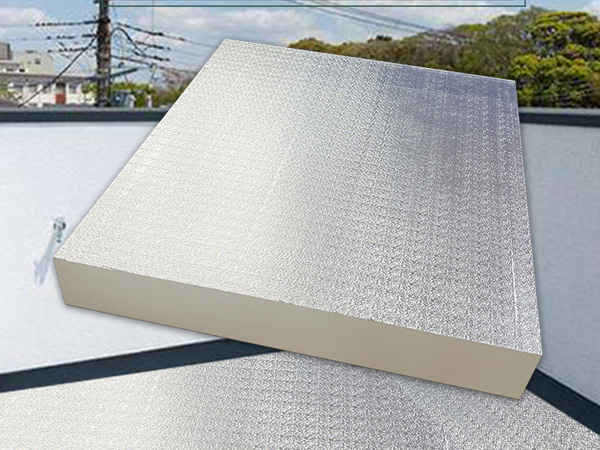
Foam insulation is a popular choice for exterior wall systems where high thermal efficiency is needed. Its structure often incorporates closed-cell technology, which helps maintain strong thermal resistance and provides reliable protection in humid environments.
3.2 Advantages
Foam insulation delivers some of the highest insulation values per inch of thickness, making it ideal for areas with strict energy standards. Its lightweight composition simplifies transportation and installation, while its moisture resistance helps prevent mold and reduces long-term maintenance risks. Foam insulation is especially well-suited for modern construction approaches that aim for airtight building envelopes.
3.3 Considerations
Although foam is easy to handle, it requires precise cutting to ensure proper alignment. For exterior applications, protective layers or coatings may be required to shield the material from weather exposure.
4. Board Insulation: Stable and Durable
4.1 Overview
Rigid board insulation comes in the form of solid panels manufactured to uniform density and thickness. It is widely used in commercial building façades and modern exterior wall systems due to its structural strength and long-term reliability.
4.2 Advantages
One of the strongest qualities of board insulation is its durability. The firm composition maintains shape and performance over time, making it suitable for environments demanding stability and long service life. Its consistent thickness ensures uniform thermal protection across large surfaces. Some board varieties also offer enhanced fire resistance, further strengthening their appeal for exterior applications.
4.3 Considerations
Board insulation requires precise alignment and professional installation. The rigid form works best on smooth or evenly structured wall surfaces. When properly installed, however, it provides long-lasting performance and excellent value for large projects or bulk supply needs.
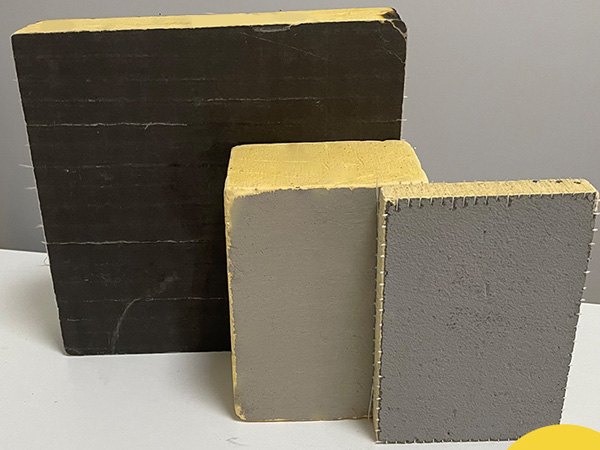
5. Comparing Cotton, Foam, and Board Insulation
Each insulation type brings a unique profile of strengths, and the right choice depends on the building’s requirements.
Cotton insulation is ideal for projects requiring flexibility, acoustic improvement, and breathability. Its adaptability makes it effective for older structures or walls that feature irregular shapes. It is easy to install and offers a stable, moderate level of thermal protection.
Foam insulation excels in energy efficiency, offering strong thermal resistance per inch. It is lightweight, resistant to moisture, and effective in both hot and cold climates. This makes it a preferred option when the goal is high energy savings and dependable moisture protection.
Board insulation stands out for durability and dimensional stability. It performs well in large exterior surfaces, commercial applications, and modern façade systems. When long-term resilience and consistent coverage are priorities, rigid board materials offer a dependable solution.
6. Choosing the Right Exterior Wall Insulation Material
Selecting the best insulation material depends on several factors, including climate, project size, budget, building design, and moisture exposure. Cotton insulation may be the right fit for projects emphasizing acoustics or breathability. Foam insulation is ideal for high-performance energy goals or humid climates. Board insulation is the most reliable choice for large façades and long-term structural stability.
Contractors and suppliers working with bulk production or sourcing from a reliable manufacturer benefit from selecting materials that align with both installation requirements and efficiency expectations. The better the match between material characteristics and project needs, the stronger and more efficient the building will be.
Conclusion
High-quality exterior wall insulation is a foundational component of any well-performing building envelope. Cotton, foam, and board insulation each contribute unique advantages that support energy efficiency, moisture protection, and long-term durability. Whether the project demands flexibility, high thermal efficiency, or structural stability, choosing the right material ensures reliable performance for years to come.
For builders, architects, and suppliers with manufacturer-level expertise or bulk production capacity, understanding these differences is key to creating better, more efficient building systems. Strong and well-planned exterior wall insulation enhances comfort, reduces energy costs, and strengthens the longevity of modern structures.
References
GB/T 7714:Baetens R, Jelle B P, Gustavsen A. Aerogel insulation for building applications: A state-of-the-art review[J]. Energy and buildings, 2011, 43(4): 761-769.
MLA:Baetens, Ruben, Bjørn Petter Jelle, and Arild Gustavsen. "Aerogel insulation for building applications: A state-of-the-art review." Energy and buildings 43.4 (2011): 761-769.
APA:Baetens, R., Jelle, B. P., & Gustavsen, A. (2011). Aerogel insulation for building applications: A state-of-the-art review. Energy and buildings, 43(4), 761-769.
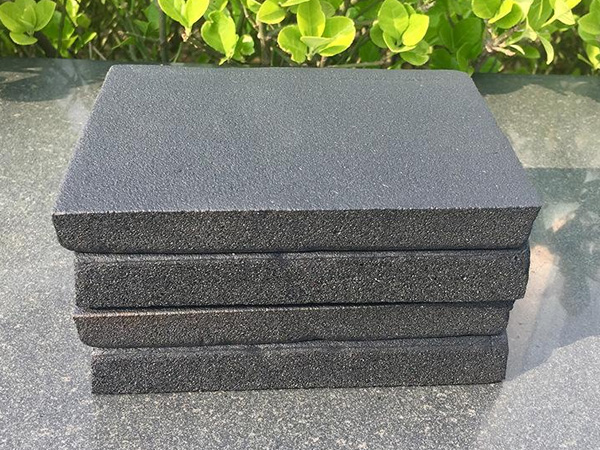
OurFlame Retardant Rubber Foamis a premium closed-cell elastomeric insulation material engi...
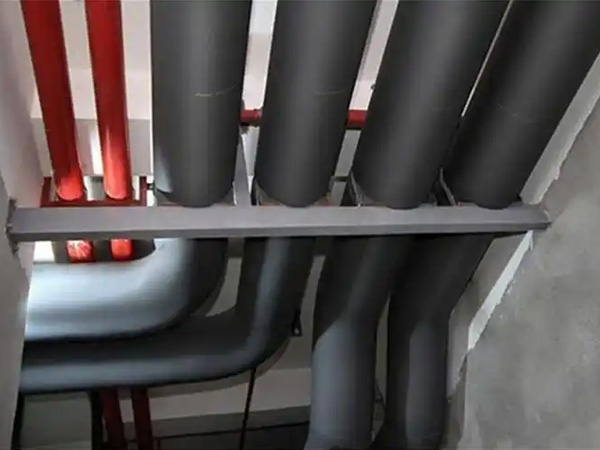
OurRubber Pipe Insulationis a high-performance solution designed specifically for HVAC pipi...
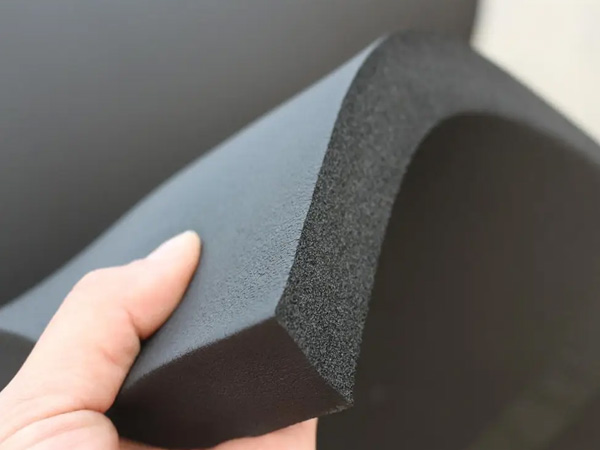
Rubber Foam Insulation Sheet – Product Introduction Premium Flexible Insulation for Therm...
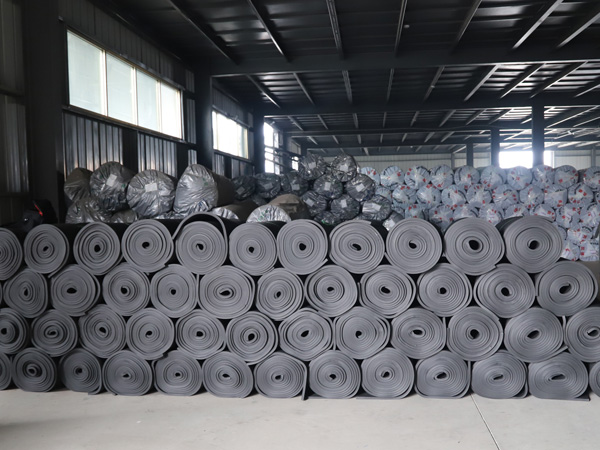
Specially engineered for refrigeration applications, ourElastomeric Rubber Insulationprovid...