Application of Phenolic Insulation Pipe Sections in Petrochemical Pipelines
2025-06-19 09:11:33
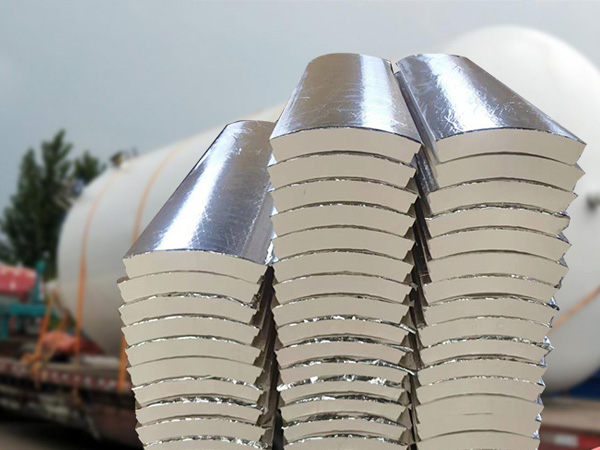
Application of Phenolic Insulation Pipe Sections in Petrochemical Pipelines
1. High-Temperature Process Piping
Phenolic insulation demonstrates exceptional stability in refinery environments:
Continuous service at 150-180°C for crude oil transfer lines
Short-term resistance to 250°C during steam-out procedures
Only 2-3% thickness shrinkage after 5 years in FCCU overhead vapor lines
2. Corrosion Under Insulation (CUI) Prevention
The closed-cell structure provides triple protection:
Water absorption <1% even in deluge conditions (API 583 compliance)
pH-neutral formulation (6.5-7.5) prevents acidic attack on carbon steel
Chloride diffusion rate 10x lower than mineral wool (per NACE SP0198)
3. Fire Protection Performance
Critical safety features for hydrocarbon service:
Fire endurance: Maintains integrity for 90 minutes at 800°C (BS 476-20)
Non-dripping behavior: Passes vertical burn test per ASTM D3014
Smoke suppression: Toxicity index meets OSHA 29 CFR 1910.1200
4. Specialized Petrochemical Applications
Alkylation units: Resists HF acid vapors when coated with PTFE film
Coker pipelines: Withstands thermal cycling from 50°C to 400°C
LNG transfer lines: Cryogenic grade maintains λ<0.018 W/m·K at -162°C
5. Installation Best Practices
Pre-fabricated sections for complex geometries (elbows, tees)
Stainless steel banding at 300mm intervals for high-vibration zones
Hybrid systems combining phenolic with calcium silicate at flanges
6. Maintenance Advantages
Inspectability: IR thermography easily detects wet insulation
Repairability: Damaged sections can be spot-replaced without full removal
Longevity: 15-20 year service life in moderate chemical environments
Emerging Innovation:
New nanocomposite phenolic with graphene oxide additives shows:
40% better thermal stability at 200°C
50% reduction in smoke density
EMI shielding for electrical trace heating systems
Critical Note: For sour service (H2S >50ppm), specify phenolic with:
Oxygen scavengers in the resin matrix
Vapor corrosion inhibitors in adhesive layers
Non-metallic fasteners to prevent galvanic cells
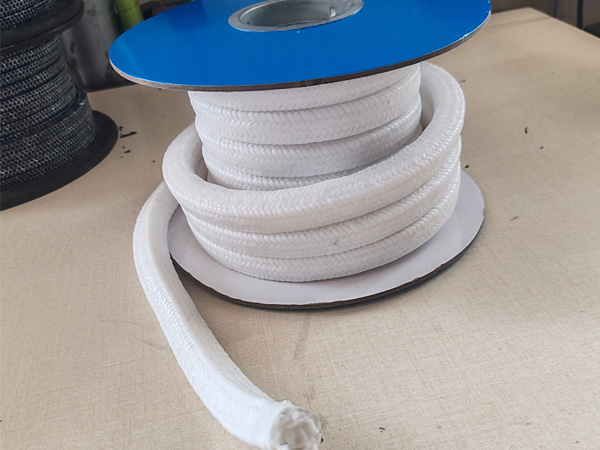
PTFE Packing is a sealing material made from pure polytetrafluoroethylene fibers through a ...
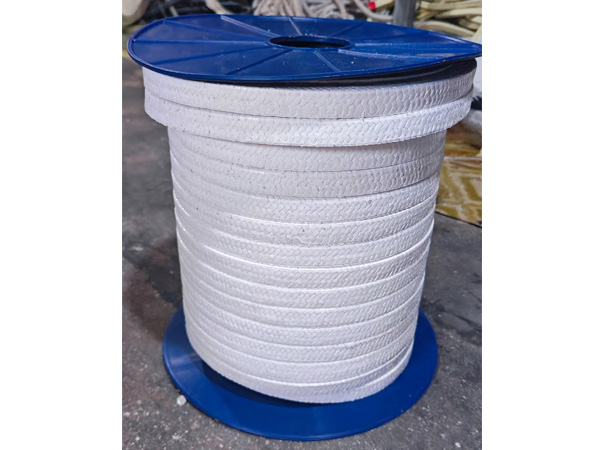
It is made from aramid fibers and black PTFE by a special mixed weaving process. High-stren...
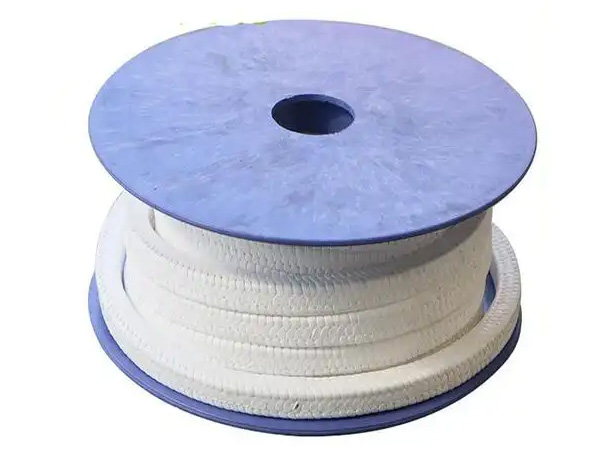
PTFE packing can be classified into aramid blended black PTFE packing, white PTFE packing, ...
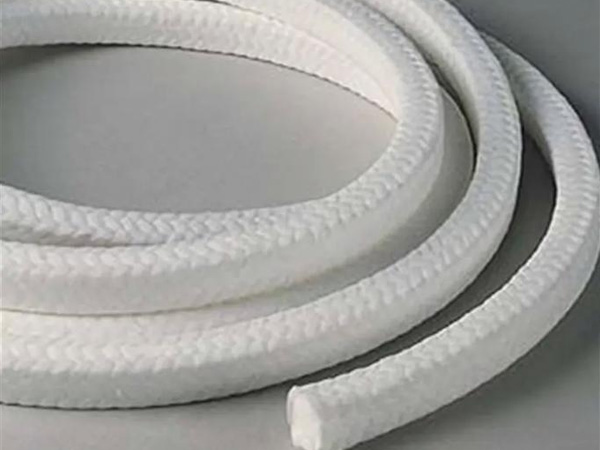
PTFE Packing is a sealing material made from pure polytetrafluoroethylene fibers through a ...