Protective Applications of Phenolic Insulation Pipe Sections in Harsh Outdoor Environments
2025-06-19 09:18:59
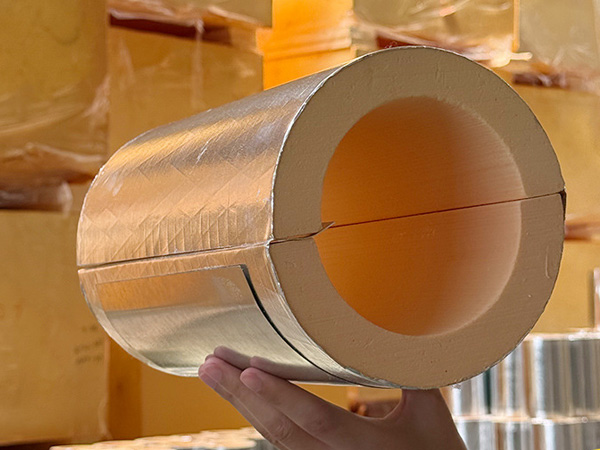
Protective Applications of Phenolic Insulation Pipe Sections in Harsh Outdoor Environments
1. Extreme Weather Resistance
Temperature Resilience: Maintains performance across -50°C to 150°C with <3% dimensional change after 5,000 thermal cycles (ASTM C411)
UV Degradation Prevention: Aluminum foil facings reflect 97% solar radiation (ASTM C1371), while acrylic coatings provide 10+ years UV protection
Moisture Defense: Closed-cell structure achieves <1.5% water absorption after 28-day immersion (EN 12087)
2. Mechanical Protection Systems
Impact Resistance: 3mm thick stainless steel jacketing withstands 50J impacts (ISO 15695)
Abrasion Protection: Fiberglass-reinforced phenolic survives 100,000+ sand particle impacts at 30m/s (ASTM D968)
Wind Load Stability: Aerodynamic cladding designs resist 200km/h winds without detachment
3. Chemical & Biological Defense
Industrial Atmosphere: Resists pH 2-12 chemicals, including acid rain and alkaline dust
Coastal Applications: Special polymer coatings prevent salt crystallization damage (5,000hr salt spray test per ASTM B117)
Mold/Bacteria Inhibition: Silver-ion additives achieve 99% microbial reduction (ISO 22196)
4. Specialized Environmental Adaptations
Desert Installations:
Reflective ceramic coatings reduce surface temps by 30°C
Sand erosion shields at ground-level penetrations
Arctic Conditions:
Low-temperature flexible formulations prevent brittle fracture at -60°C
Ice-phobic surfaces prevent icicle formation
5. Advanced Monitoring Integration
Smart Jackets:
RFID tags track insulation aging
Corrosion sensors alert for CUI risks
Drone Inspections:
AI-powered thermal imaging detects <5% moisture infiltration
LiDAR mapping identifies mechanical damage
Maintenance Protocol:
Annual pressure washing (≤1000psi) to remove contaminants
Biennial coating inspections per SSPC-PA 7
5-year full system integrity assessment (ASTM C692)
Failure Prevention:
Underground: Combine with cathodic protection and HDPE sleeves
Coastal: Specify duplex stainless steel banding (2205 grade)
Chemical Plants: Use PTFE tape at all seams
Emerging Solutions:
Self-healing coatings repair <3mm cracks automatically
Photocatalytic TiO₂ coatings break down organic pollutants
Phase-change materials buffer extreme temperature swings
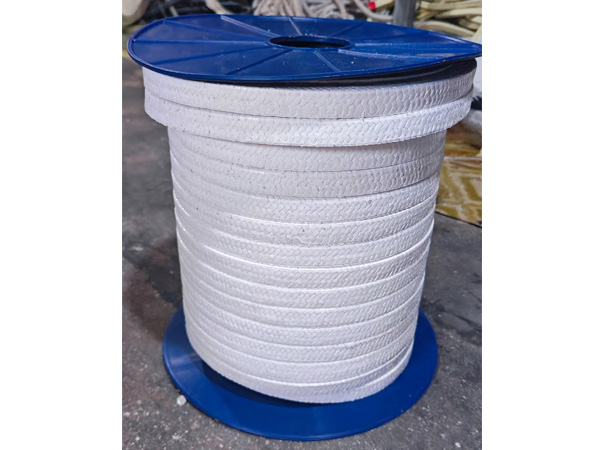
It is made from aramid fibers and black PTFE by a special mixed weaving process. High-stren...
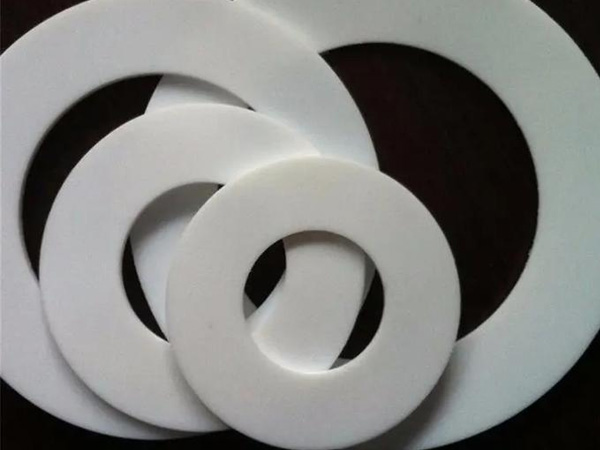
Its multidirectional fibrous structure forms a dense sealing layer under compression, with ...
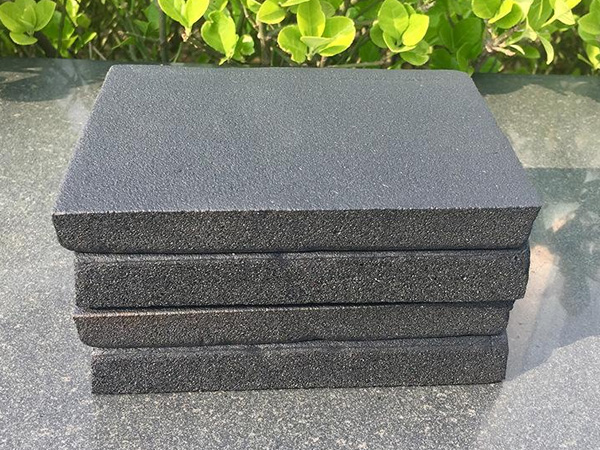
OurFlame Retardant Rubber Foamis a premium closed-cell elastomeric insulation material engi...
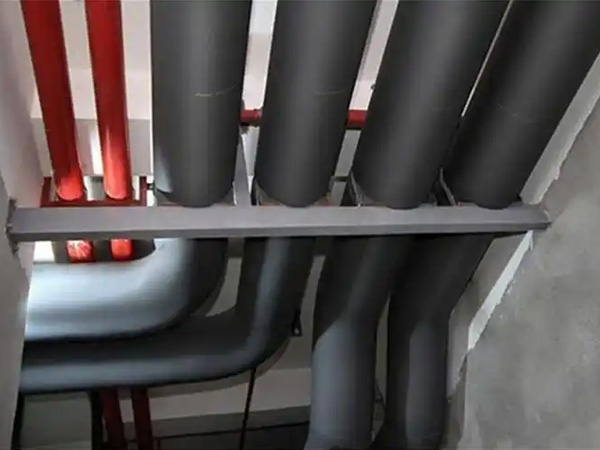
OurRubber Pipe Insulationis a high-performance solution designed specifically for HVAC pipi...