Solutions for Improving the Aging Resistance of Phenolic Foam Boards
2025-06-18 11:58:14
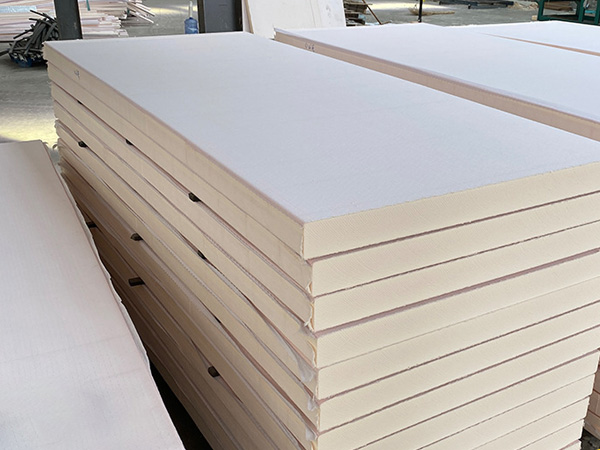
Solutions for Improving the Aging Resistance of Phenolic Foam Boards
1. Key Aging Challenges
Phenolic foam boards may experience performance degradation over time due to:
UV Radiation: Surface powdering and brittleness under prolonged sunlight exposure.
Thermal Cycling: Repeated expansion/contraction leading to micro-cracks.
Oxidation: Slow resin degradation in high-temperature or corrosive environments.
Moisture & Freeze-Thaw: Water infiltration causing structural weakening.
2. Strategies to Enhance Aging Resistance
A. Material Modifications
UV Stabilizers: Add light-resistant coatings (e.g., acrylic, polyurethane) or integrate UV-absorbing additives.
High-Density Formulations: Use ≥60 kg/m³ foam for better mechanical durability.
Advanced Resins: Opt for modified phenolic resins with higher thermal/oxidative stability.
B. Protective Measures
Surface Coatings: Apply aluminum foil, fiberglass mesh-reinforced mortar, or elastomeric paints.
Encapsulation: Cover with weatherproof cladding (e.g., metal panels, ceramic tiles) in outdoor applications.
Sealants: Use flexible joint sealants (e.g., silicone) to prevent moisture ingress.
C. Design & Installation Adjustments
Shading Structures: Install sunshades or overhangs to reduce direct UV exposure.
Ventilation Gaps: Allow airflow behind panels to minimize heat/moisture buildup.
Expansion Joints: Accommodate thermal movement and prevent stress cracks.
D. Maintenance Practices
Regular Inspections: Check for surface cracks, coating wear, or sealant failure annually.
Timely Repairs: Patch damaged areas with compatible coatings or replacement panels.
3. Testing & Validation
Accelerated Aging Tests (e.g., QUV, ASTM G154) to simulate long-term UV/weathering effects.
Thermal Cycling Tests (e.g., ASTM C1512) to evaluate dimensional stability.
Note: For critical applications (e.g., aerospace, facades), consider hybrid materials (e.g., phenolic-polyimide composites) for superior aging resistance.
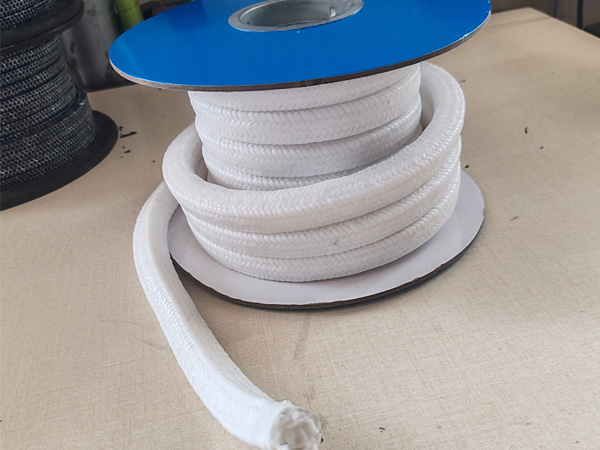
PTFE Packing is a sealing material made from pure polytetrafluoroethylene fibers through a ...
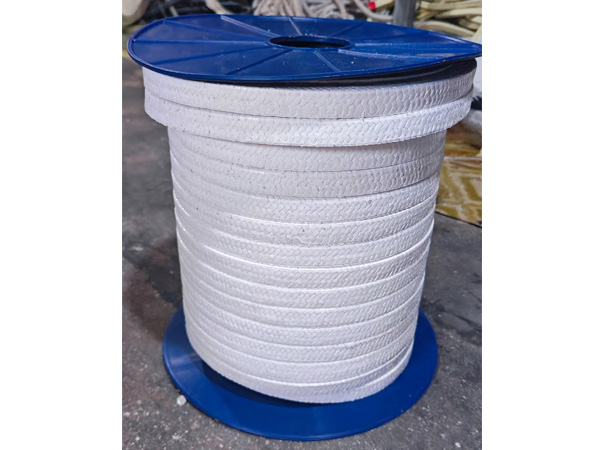
It is made from aramid fibers and black PTFE by a special mixed weaving process. High-stren...
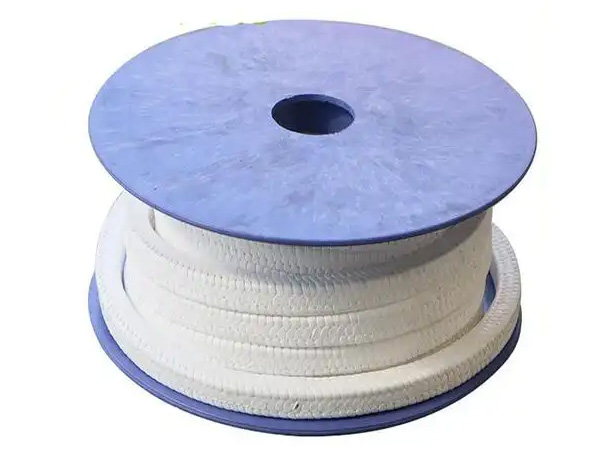
PTFE packing can be classified into aramid blended black PTFE packing, white PTFE packing, ...
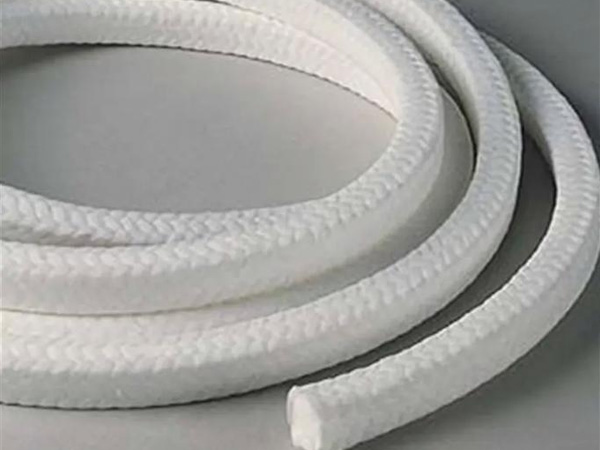
PTFE Packing is a sealing material made from pure polytetrafluoroethylene fibers through a ...