Application of Elastomeric Foam in Medical Equipment Thermal Insulation
2025-06-18 16:06:17
Application of Elastomeric Foam in Medical Equipment Thermal Insulation
Elastomeric foam (rubber-plastic insulation) is increasingly used in medical devices due to its superior thermal stability, hygiene compliance, and safety features. Below are the key aspects of its application in medical equipment insulation.
1. Critical Requirements for Medical Applications
Temperature Stability
Maintains consistent insulation performance in -40°C to 105°C ranges, ideal for cryogenic storage and sterilization equipment.
Prevents heat loss in MRI cooling systems and laboratory freezers.
Hygiene & Cleanability
Non-porous surface resists bacterial growth (tested per ISO 22196).
Withstands hospital-grade disinfectants (alcohol, hydrogen peroxide) without degradation.
Fire & Chemical Safety
Halogen-free formulations prevent toxic fume release in case of fire (compliant with IEC 60601-1).
Resists chemical corrosion from lab reagents and sterilization agents (ethylene oxide, formaldehyde).
2. Key Medical Equipment Applications
(1) Diagnostic & Imaging Devices
MRI Machines:
Insulates cryogenic piping (liquid helium/vapor cooling systems).
Minimizes thermal interference with sensitive magnetic components.
CT Scanners:
Reduces heat transfer from X-ray tubes to outer casings.
(2) Laboratory & Storage Equipment
Ultra-Low Freezers (-80°C):
Prevents condensation and ice buildup on outer panels.
Blood Bank Refrigerators:
Ensures stable 2–8°C storage with minimal energy consumption.
(3) Sterilization & Surgical Tools
Autoclaves:
Withstands 120–135°C steam cycles without deformation.
Electrosurgical Units:
Insulates heat-generating components to prevent external burns.
(4) Portable Medical Devices
Vaccine Transport Containers:
Maintains 2–8°C for 48+ hours (validated per WHO EPI standards).
Mobile X-ray Machines:
Lightweight insulation reduces device weight while protecting against heat buildup.
3. Material Selection Guidelines
FDA-Compliant Grades (21 CFR 177.2600) for direct contact with medical devices.
Low-Particulate Variants for cleanroom environments (ISO Class 5–8).
EMI-Shielding Types for MRI rooms (prevents radiofrequency interference).
4. Installation & Maintenance Best Practices
Seamless Wrapping:
Use self-adhesive rolls for airtight insulation around complex geometries.
Sterilization Compatibility:
Select gamma radiation-resistant foam for reprocessable devices.
Validation Testing:
Perform thermal mapping (per ISO 13408) to ensure uniform temperature distribution.
5. Emerging Innovations
Antimicrobial Coatings:
Silver-ion infused foam for ICU equipment (reduces HAIs).
Smart Insulation:
Phase-change material (PCM) layers for temperature-sensitive drug transport.
For implantable device packaging, medical-grade elastomeric foam with USP Class VI certification is available.
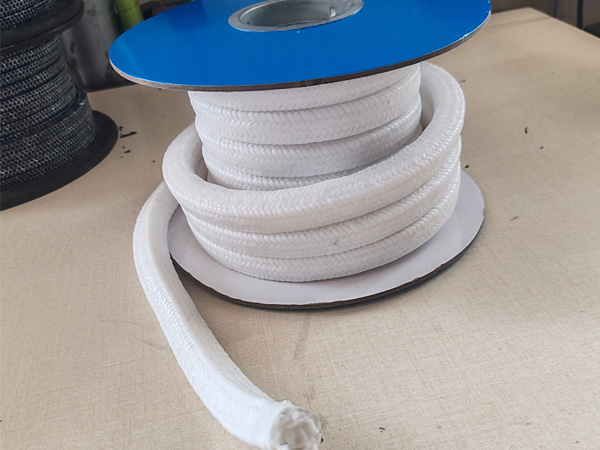
PTFE Packing is a sealing material made from pure polytetrafluoroethylene fibers through a ...
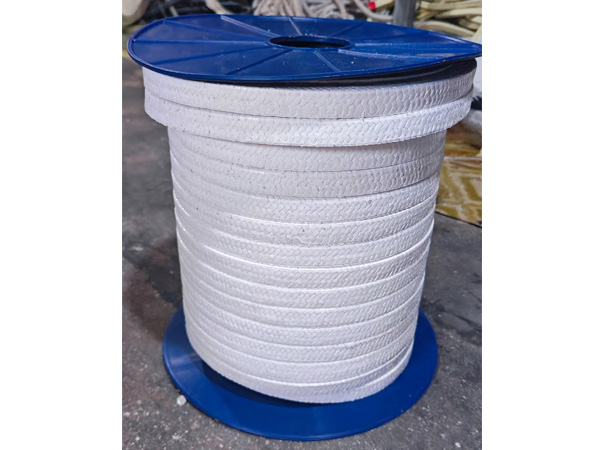
It is made from aramid fibers and black PTFE by a special mixed weaving process. High-stren...
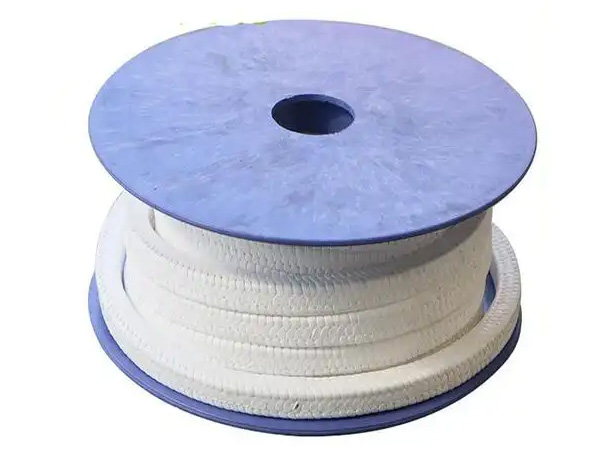
PTFE packing can be classified into aramid blended black PTFE packing, white PTFE packing, ...
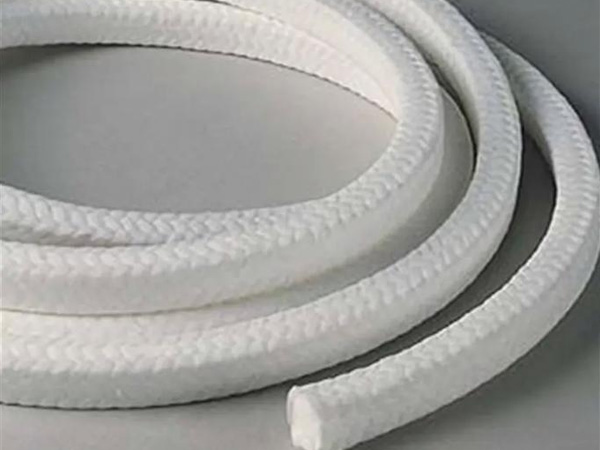
PTFE Packing is a sealing material made from pure polytetrafluoroethylene fibers through a ...