Ceiling Insulation Board: Improve Energy Efficiency and Indoor Comfort
2026-04-14 15:45:17
In modern building design, thermal performance is no longer an optional consideration—it is a core requirement. A ceiling insulation board plays a critical role in reducing heat transfer between indoor and outdoor environments, helping buildings achieve higher energy efficiency while improving long-term indoor comfort. In this article, we will examine the technical principles, material performance, installation considerations, and practical applications of ceiling insulation boards in residential, commercial, and industrial projects.
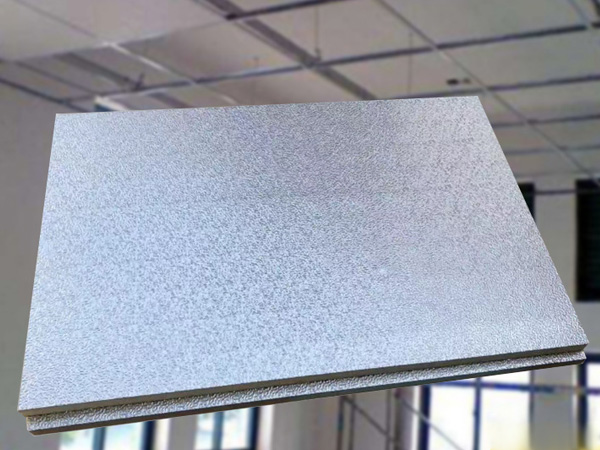
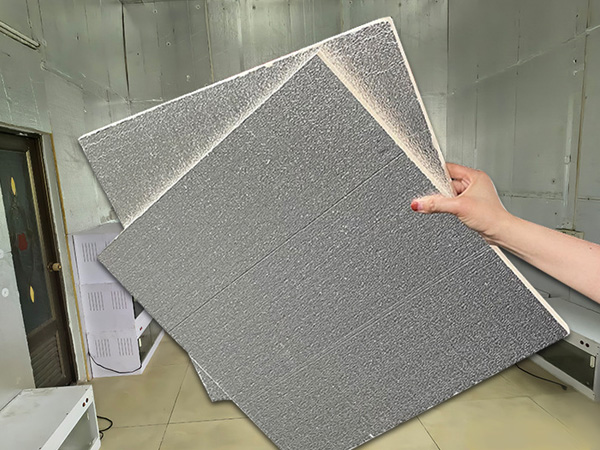
1. The Role of Ceiling Insulation in Building Thermal Performance
A ceiling insulation board is designed to reduce heat exchange through the roof structure, which is one of the primary sources of energy loss in buildings. Since warm air naturally rises, poorly insulated ceilings can lead to significant heat escape in winter and excessive heat gain in summer. High-quality thermal insulation boards installed at ceiling level create a stable thermal barrier that minimizes this transfer.
From an engineering perspective, this improves the building envelope’s overall U-value, directly reducing the load on HVAC systems. As a result, energy consumption is lowered, operational costs decrease, and indoor environments remain more stable throughout seasonal changes.
2. Material Composition and Thermal Resistance Mechanism
The performance of a ceiling insulation board depends heavily on its material structure. Common materials include polyurethane (PU), polystyrene (EPS/XPS), rock wool, and fiberglass composites. Each material has a different thermal conductivity coefficient, which determines its insulation efficiency.
For example, closed-cell foam-based boards provide excellent resistance to heat flow due to trapped gas pockets that slow conduction. In contrast, mineral wool boards offer superior fire resistance and sound absorption. Selecting the correct ceiling insulation board material requires balancing thermal performance, fire safety, acoustic control, and cost efficiency.
3. Energy Efficiency Benefits in Real Applications
One of the most measurable advantages of ceiling insulation boards is their contribution to energy efficiency insulation systems. By reducing heat loss through the roof, buildings require less heating in winter and less cooling in summer.
In commercial facilities such as warehouses and office buildings, HVAC systems often account for a major portion of energy usage. Proper ceiling insulation can reduce energy demand significantly, improving ROI over the building lifecycle. In residential applications, users benefit from lower electricity bills and improved thermal comfort without frequent temperature adjustments.
4. Indoor Comfort and Acoustic Performance
Beyond thermal regulation, ceiling insulation boards also improve indoor comfort by stabilizing temperature fluctuations and reducing noise transmission. Materials such as rock wool and fiberglass not only act as thermal barriers but also provide effective sound absorption.
This is particularly important in multi-story residential buildings, offices, hospitals, and educational facilities where acoustic comfort directly affects productivity and well-being. A properly installed ceiling insulation board system contributes to a quieter, more controlled indoor environment.
5. Installation Considerations and Engineering Best Practices
Proper installation is essential to ensure the designed performance of ceiling insulation boards. Gaps, compression, or improper sealing can significantly reduce thermal efficiency. Engineers typically emphasize continuous coverage and airtight sealing to prevent thermal bridging.
In industrial practice, boards are often installed beneath roof decks, suspended ceiling systems, or integrated into modular building panels. Adhesives, mechanical fasteners, or framing systems may be used depending on structural requirements. Correct installation ensures the insulation system performs as specified under real-world conditions.
6. Fire Safety, Durability, and Regulatory Compliance
Safety is a critical factor when selecting ceiling insulation materials. Many modern insulation boards are designed to meet strict fire-resistance standards, especially in commercial and industrial environments. Mineral wool boards, for instance, offer non-combustible properties, while treated foam boards can achieve flame-retardant classifications.
Durability is equally important. A high-quality ceiling insulation board solution should resist moisture absorption, deformation, and aging over time. Compliance with building codes and international standards (such as ASTM or EN certifications) ensures reliability and long-term performance.
7. Cost Efficiency and Long-Term Investment Value
Although initial material costs vary depending on type and thickness, ceiling insulation boards should be evaluated as a long-term investment rather than a short-term expense. Reduced energy consumption, lower maintenance requirements, and extended HVAC lifespan all contribute to overall cost savings.
In large-scale construction projects, even small improvements in insulation efficiency can result in substantial financial returns over time. This makes thermal insulation systems one of the most cost-effective upgrades in modern building design.
Conclusion
A well-designed ceiling insulation board system is a fundamental component of modern energy-efficient construction. By improving thermal resistance, enhancing indoor comfort, reducing noise transmission, and supporting regulatory compliance, it delivers measurable benefits across residential, commercial, and industrial applications.
When selecting a solution, engineers and project managers should evaluate material properties, installation methods, safety standards, and long-term performance. With the right ceiling insulation board, buildings can achieve higher efficiency, lower operational costs, and improved occupant comfort for years to come.
References
GB/T 7714:Thermal Comfort: Analysis and Applications in Environmental Engineering.
MLA:State of the art in thermal insulation materials and aims for future developments.
APA:Economic and environmental benefits of thermal insulation of building external walls.
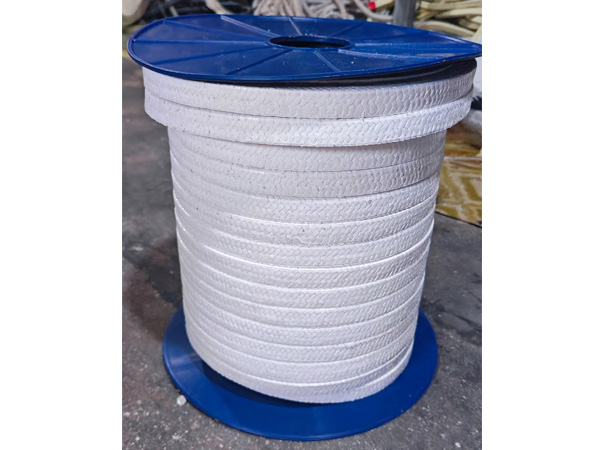
It is made from aramid fibers and black PTFE by a special mixed weaving process. High-stren...
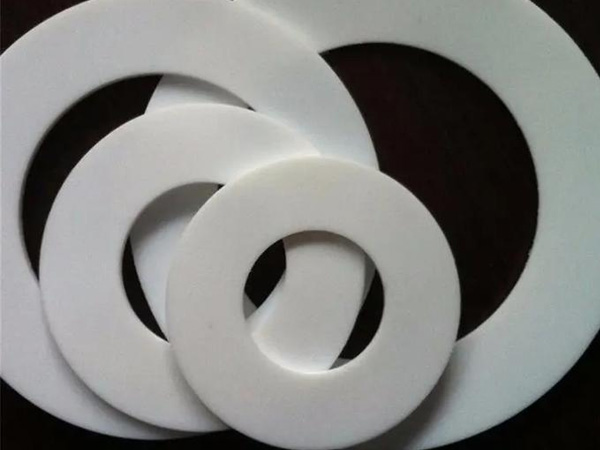
Its multidirectional fibrous structure forms a dense sealing layer under compression, with ...
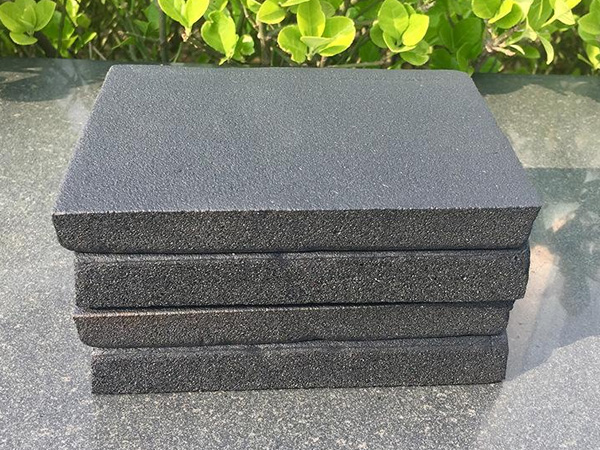
OurFlame Retardant Rubber Foamis a premium closed-cell elastomeric insulation material engi...
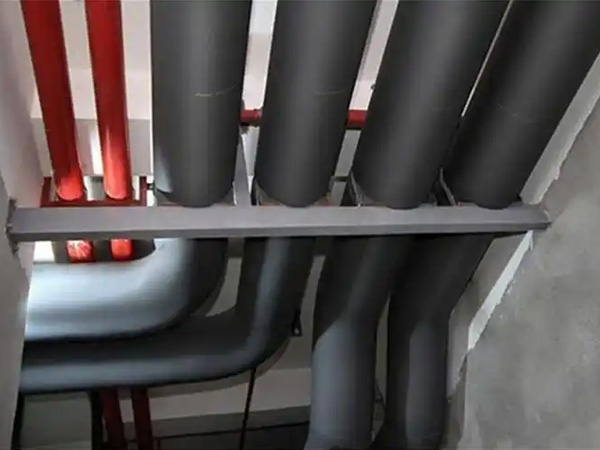
OurRubber Pipe Insulationis a high-performance solution designed specifically for HVAC pipi...