Technical Approaches to Enhance the Soundproofing Performance of Elastomeric Foam (Rubber-Plastic Boards)
2025-06-18 15:36:42
Technical Approaches to Enhance the Soundproofing Performance of Elastomeric Foam (Rubber-Plastic Boards)
Elastomeric foam insulation inherently provides decent noise reduction, but its acoustic performance can be significantly improved through material modifications and system design strategies. Below are key technical approaches to optimize its sound insulation capabilities:
1. Material Composition Optimization
Increased Density (60-120 kg/m³)
Higher density foam improves mass law principles, particularly for low-frequency noise attenuation.
Viscoelastic Additives
Incorporation of specialized polymers enhances damping characteristics, converting sound energy into heat.
Graded Cell Structure
Multi-layer foams with varying cell sizes disrupt sound wave propagation paths.
2. Surface Engineering
Micro-perforated Facing
Precision perforations (0.1-0.5mm diameter) create Helmholtz resonator effects for targeted frequency absorption.
Textured Surfaces
Pyramid or wedge patterns increase surface area for improved sound wave scattering.
Mass-Loaded Vinyl (MLV) Laminates
1-2mm MLV layers add substantial surface density without compromising flexibility.
3. Composite System Design
Hybrid Constructions
Combining with:
Open-cell foam layers (for broadband absorption)
Mineral wool cores (for low-frequency improvement)
Decoupled Installations
Use of resilient channels or isolation clips prevents structure-borne sound transmission.
4. Installation Techniques
Full Perimeter Sealing
Acoustical sealants (non-hardening types) at all edges eliminate flanking paths.
Staggered Joint Configuration
Overlapping seams by ≥50mm prevents sound leakage through gaps.
Mechanical Isolation
Anti-vibration mounts for equipment connections break vibration transfer.
5. Advanced Testing & Tuning
Impedance Tube Analysis
Measures sound absorption coefficients (α) across 50-6400Hz range.
Transmission Loss Optimization
Adjusts thickness and layer sequences based on STC (Sound Transmission Class) requirements.
Field Performance Validation
On-site ASTM E336 testing verifies real-world noise reduction.
6. Specialized Applications
Aircraft-grade Variants
Nanocomposite fillers provide 5-8dB better attenuation at 500-2000Hz.
Automotive Packages
Tailored thickness zoning (thicker in wheel wells, thinner in roof liners).
Building Partition Systems
Integrated with resilient drywall for STC 55+ performance.
For critical environments (recording studios, hospitals), constrained-layer damping configurations with viscoelastic interlayers can achieve NRC 0.95+. Current research focuses on meta-material designs with sub-wavelength resonators for breakthrough low-frequency performance.
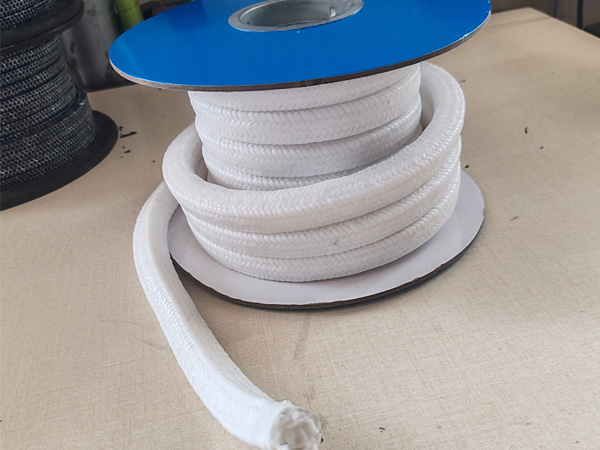
PTFE Packing is a sealing material made from pure polytetrafluoroethylene fibers through a ...
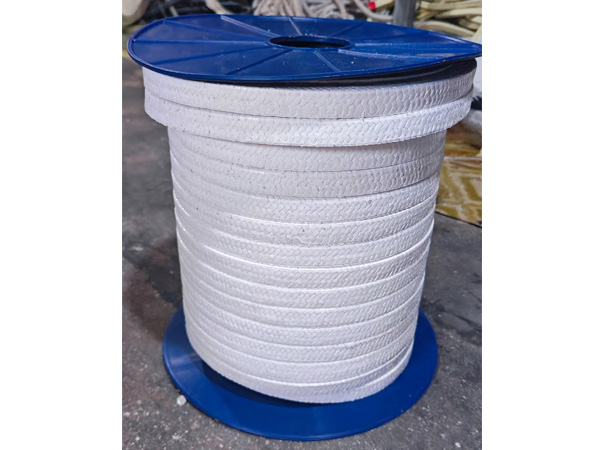
It is made from aramid fibers and black PTFE by a special mixed weaving process. High-stren...
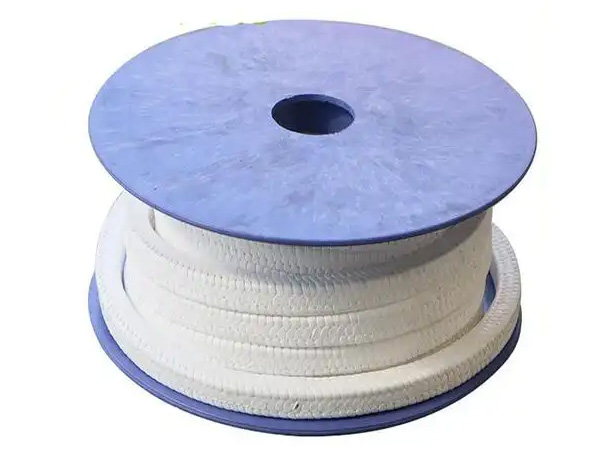
PTFE packing can be classified into aramid blended black PTFE packing, white PTFE packing, ...
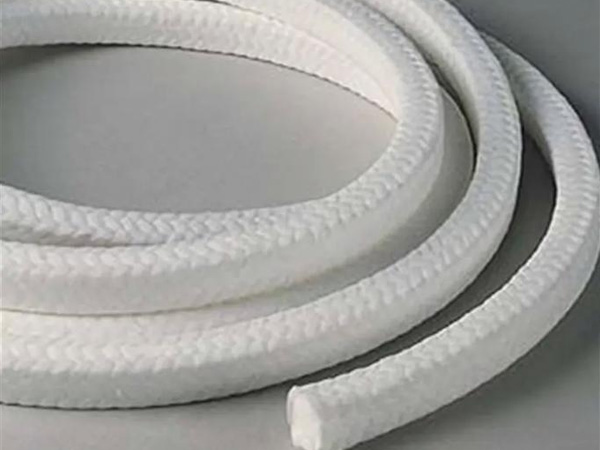
PTFE Packing is a sealing material made from pure polytetrafluoroethylene fibers through a ...