Typical Thickness, Density, and Dimensions of Phenolic Foam Board
2026-01-16 16:06:29
Phenolic Foam Board in Modern Building Insulation
Phenolic Foam Board has become a preferred insulation material in modern construction due to its excellent thermal performance, fire resistance, and dimensional stability. As energy efficiency and safety regulations continue to evolve, understanding the typical physical specifications of Phenolic Foam Board—including thickness, density, and dimensions—is essential for designers, contractors, and material suppliers.
For large-scale building projects, standardized specifications produced through controlled manufacturing processes help ensure consistent performance and smooth installation. This article provides an in-depth overview of the most common size-related characteristics of Phenolic Foam Board used in building applications.
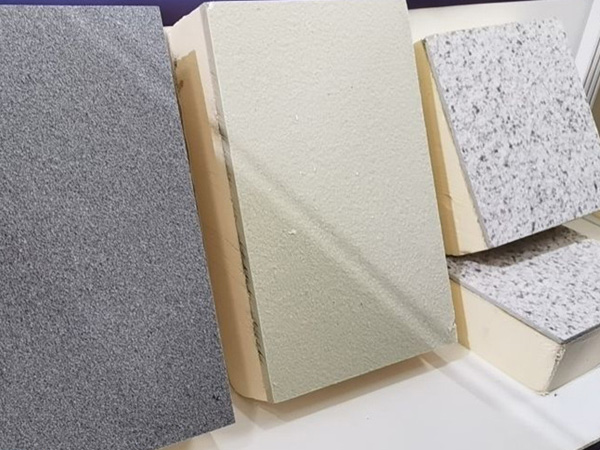
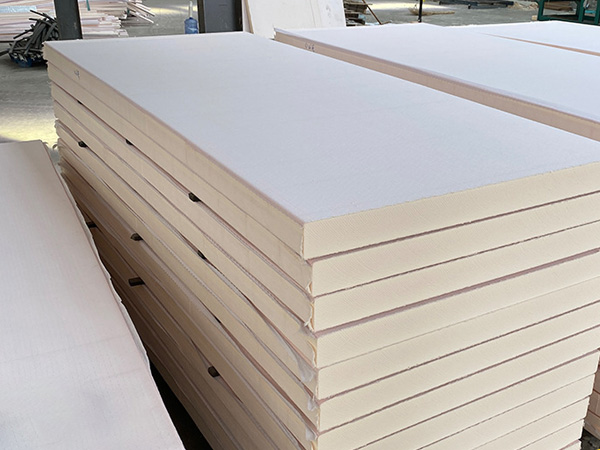
1. Typical Thickness of Phenolic Foam Board
Thickness is one of the most critical parameters when selecting Phenolic Foam Board for insulation systems. It directly affects thermal resistance, structural compatibility, and overall building performance.
In most construction applications, Phenolic Foam Board is available in thicknesses ranging from 20 mm to 100 mm, with common options including 25 mm, 30 mm, 40 mm, 50 mm, and 60 mm. Thinner boards are often used for interior insulation, HVAC duct lining, and renovation projects where space is limited. Thicker boards are typically applied in exterior wall systems, roofs, and industrial facilities requiring higher thermal resistance.
From a production perspective, consistent thickness control is achieved through calibrated continuous foaming and cutting processes. For projects requiring non-standard thicknesses, Phenolic Foam Board manufacturers can adjust production parameters to meet specific insulation design requirements.
2. Density Range and Its Practical Impact
Density plays a key role in determining the mechanical strength, thermal efficiency, and handling characteristics of Phenolic Foam Board. Most Phenolic Foam Boards used in building applications fall within a density range of 35–60 kg/m³.
Lower-density boards are lightweight and easy to install, making them suitable for suspended ceilings, duct insulation, and applications where load-bearing requirements are minimal. Higher-density Phenolic Foam Boards provide improved compressive strength and surface durability, which is beneficial for façade systems, roof insulation, and areas exposed to mechanical stress.
Carefully controlled production processes ensure uniform density distribution throughout the board. This consistency is especially important for bulk supply orders, where stable performance across large quantities is required for project reliability.
3. Standard Length and Width Dimensions
In addition to thickness and density, the length and width of Phenolic Foam Board significantly influence installation efficiency and material utilization. Standard board dimensions are designed to align with common building module sizes and insulation system requirements.
Typical length and width specifications include:
·1200 mm × 600 mm
·1200 mm × 1000 mm
·2400 mm × 1200 mm
These dimensions allow for easy transportation, handling, and cutting on-site. Smaller boards are often preferred for interior use or complex layouts, while larger panels help reduce joint numbers and installation time in exterior insulation systems.
For large construction projects, Phenolic Foam Board supplied directly from manufacturer-level production lines ensures dimensional accuracy and minimal variation between batches.
4. Tolerance and Dimensional Stability
Dimensional tolerance is an important but sometimes overlooked factor in insulation material selection. High-quality Phenolic Foam Board typically maintains tight tolerances in thickness, length, and width, supporting precise installation and consistent thermal performance.
Phenolic Foam Board is known for its excellent dimensional stability under temperature fluctuations. This property helps prevent warping, shrinkage, or expansion during long-term use, especially in environments with significant temperature differences between seasons.
Stable dimensions also reduce gaps and thermal bridges in insulation systems, contributing to improved energy efficiency and long-term building performance.
5. Customization Options for Specific Applications
While standard specifications meet most building needs, some projects require customized Phenolic Foam Board dimensions or densities. These may include industrial facilities, prefabricated building components, or specialized insulation systems.
Through flexible production setups, Phenolic Foam Board can be manufactured with customized thicknesses, densities, and panel sizes to match project-specific technical requirements. This flexibility is particularly valuable for engineers and contractors working on non-standard designs or large-volume developments.
Reliable manufacturers with integrated production capabilities are better positioned to support such customization while maintaining consistent quality and delivery schedules.
6. Transportation, Storage, and Installation Considerations
The physical dimensions and density of Phenolic Foam Board also affect logistics and on-site operations. Lightweight boards reduce transportation costs and simplify manual handling, while standardized sizes improve palletization and storage efficiency.
Proper storage in dry, covered areas helps maintain board integrity before installation. During installation, the stable structure and precise dimensions of Phenolic Foam Board allow for clean cuts, tight joints, and efficient workflow, reducing labor time and material waste.
Conclusion: Selecting the Right Phenolic Foam Board Specifications
Understanding the typical thickness, density, and dimensions of Phenolic Foam Board is essential for selecting the right insulation solution for modern building projects. With thickness options commonly ranging from 20 mm to 100 mm, densities between 35 and 60 kg/m³, and standardized panel dimensions, Phenolic Foam Board offers flexibility and reliability for a wide range of applications.
When sourced through controlled production processes and bulk supply channels, Phenolic Foam Board delivers consistent physical performance and dependable quality. As construction standards continue to emphasize energy efficiency, fire safety, and long-term durability, Phenolic Foam Board remains a practical and trusted insulation material for both residential and industrial buildings.
References
GB/T 7714:Al-Homoud M S. Performance characteristics and practical applications of common building thermal insulation materials[J]. Building and environment, 2005, 40(3): 353-366.
MLA:Al-Homoud, Mohammad S. "Performance characteristics and practical applications of common building thermal insulation materials." Building and environment 40.3 (2005): 353-366.
APA:Al-Homoud, M. S. (2005). Performance characteristics and practical applications of common building thermal insulation materials. Building and environment, 40(3), 353-366.
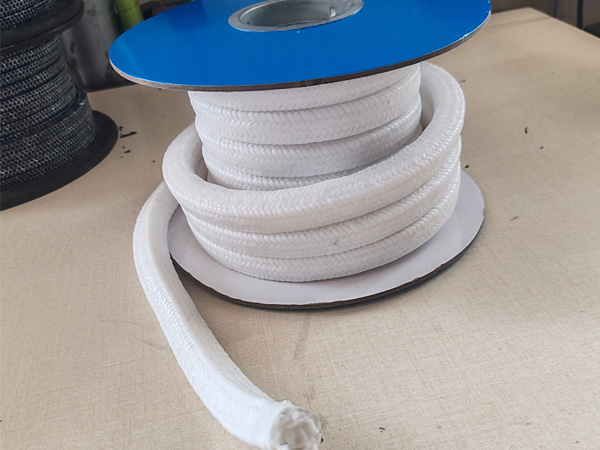
PTFE Packing is a sealing material made from pure polytetrafluoroethylene fibers through a ...
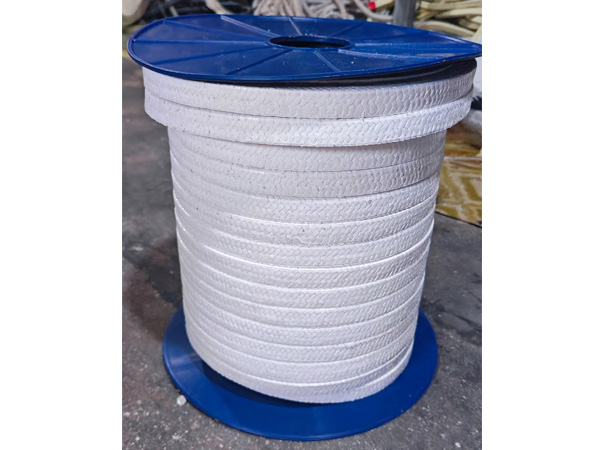
It is made from aramid fibers and black PTFE by a special mixed weaving process. High-stren...
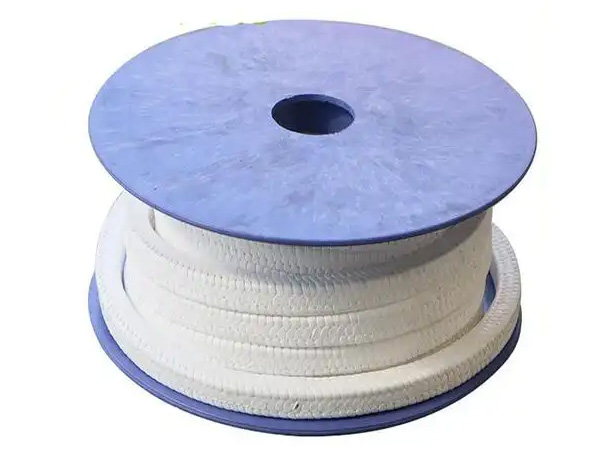
PTFE packing can be classified into aramid blended black PTFE packing, white PTFE packing, ...
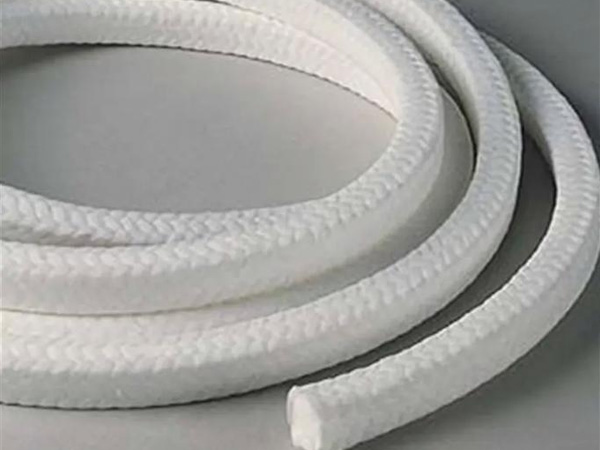
PTFE Packing is a sealing material made from pure polytetrafluoroethylene fibers through a ...