Ultimate Guide to PTFE Flange Gaskets: Properties, Benefits, and Application
2026-04-08 15:40:43
For industrial piping systems, effective sealing is not just a matter of operational efficiency—it is a critical factor in ensuring workplace safety and prolonging the service life of equipment. Polytetrafluoroethylene (PTFE) flange gaskets have emerged as a go-to sealing solution across numerous industries, thanks to their exceptional chemical stability, wide temperature range, and low-friction properties. This all-inclusive guide delves into the key characteristics, practical benefits, industry applications, available types, and installation maintenance guidelines of PTFE flange gaskets, helping you select the optimal sealing solution for your specific industrial needs.
1. Key Characteristics of PTFE Flange Gaskets
PTFE flange gaskets are crafted from polytetrafluoroethylene, a high-performance synthetic polymer that boasts a unique set of properties, making it ideal for demanding sealing applications:
·Outstanding Chemical Stability: PTFE gaskets are highly resistant to almost all acids, alkalis, and organic solvents. This makes them particularly suitable for the chemical and pharmaceutical sectors, where exposure to corrosive substances is common.
·Wide Temperature Adaptability: These gaskets can operate stably in extreme temperature conditions, typically from -200°C to +260°C. This versatility allows them to perform reliably in both cryogenic and high-temperature industrial environments.
·Low-Friction & Non-Adhesive Surface: The natural non-stick property and low friction coefficient of PTFE reduce wear on flange surfaces and other related equipment, while also preventing the accumulation of media residues on the gasket.
·Exceptional Durability: Engineered to withstand the harsh conditions of industrial operations, PTFE flange gaskets maintain consistent performance over an extended period, minimizing the need for frequent replacements and reducing operational interruptions.
These inherent characteristics make PTFE flange gaskets a dependable choice for preventing fluid leakage and preserving the structural integrity of industrial piping systems.
2. Practical Benefits of Choosing PTFE Flange Gaskets
Incorporating PTFE flange gaskets into industrial operations offers a range of advantages that enhance efficiency, reduce costs, and improve overall operational reliability:
·Secure Leak Prevention: PTFE gaskets create a tight, secure seal in flanged connections and pipelines, even under high pressure or frequent temperature changes. This effectively eliminates the risk of leakage, which can lead to safety hazards and production losses.
·Versatile Compatibility: They are compatible with a wide range of fluids, including highly corrosive chemicals, aggressive solvents, and sanitary fluids. This versatility makes them suitable for diverse industrial applications and working conditions.
·Easy Maintenance: The non-stick surface of PTFE gaskets simplifies cleaning, reducing the time and labor required for maintenance. Additionally, their straightforward installation and replacement process further lowers maintenance costs.
·Extended Service Life: Resistant to chemical corrosion and thermal stress, PTFE gaskets have a longer service life compared to many other gasket materials. This reduces equipment downtime caused by gasket failure and lowers the overall cost of ownership.
These benefits position PTFE flange gaskets as a cost-effective and reliable solution for long-term industrial sealing requirements.
3. Industry Applications of PTFE Flange Gaskets
Due to their superior performance and adaptability, PTFE flange gaskets are widely used in various industries, playing a crucial role in ensuring the smooth operation of key processes:
·Chemical Processing: They are used to seal pipelines, reactors, and storage tanks that handle strong acids, alkalis, and organic solvents, ensuring the safe and efficient operation of chemical production processes.
·Pharmaceutical & Food sectors: Meeting strict sanitary standards, PTFE gaskets provide contamination-free sealing in fluid transfer systems, adhering to GMP (Good Manufacturing Practices) for pharmaceutical production and food safety regulations.
·Oil & Gas Industry: Capable of withstanding high pressure and extreme temperatures, PTFE gaskets are used in oil exploration, refining, and transportation systems, sealing high-pressure pipelines and flanges effectively.
·Water Treatment: They deliver reliable sealing in water filtration, purification, and distribution systems, ensuring the stability and safety of water treatment processes and preventing contamination.
Their excellent chemical resistance and thermal stability make PTFE flange gaskets a trusted sealing solution in even the most demanding industrial environments.
4. Available Types of PTFE Flange Gaskets
PTFE flange gaskets are available in various designs to accommodate different flanged connection types and industrial requirements:
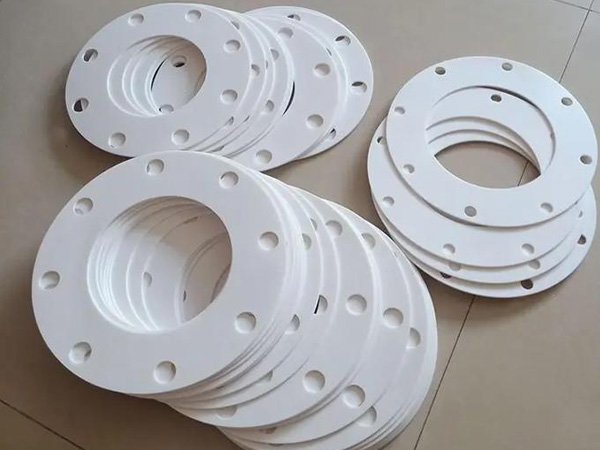
·Full-Face Gaskets: These gaskets cover the entire surface of the flange, ensuring uniform pressure distribution across the sealing area. They are ideal for standard flanged connections and provide reliable, all-around sealing.
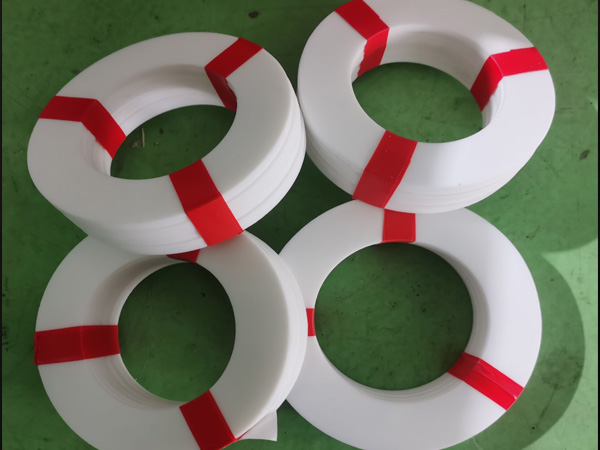
·Ring-Type Gaskets: Designed to fit within the bolt circle of the flange, ring-type gaskets focus on the critical sealing area, offering efficient and targeted sealing performance for specific applications.
·PTFE Spiral Wound Gaskets: Combining the flexibility of spiral wound construction with the chemical resistance of PTFE, these gaskets are specifically designed for high-pressure and high-temperature industrial applications.
·Custom-Made Gaskets: Tailored to fit non-standard or complex flange designs, custom-shaped PTFE gaskets address the unique sealing needs of specialized industrial equipment and processes.
Choosing the right type of PTFE flange gasket based on your specific working conditions is essential to achieving optimal sealing performance and operational reliability.
5. Installation and Maintenance Guidelines
To maximize the performance and service life of PTFE flange gaskets, proper installation and regular maintenance are critical. Below are key guidelines to follow:
·Ensure Flange Alignment: Before installing the gasket, verify that the flanges are properly aligned and free from deformation. The sealing surface should be clean, dry, and free of oil, rust, or burrs to ensure a tight seal.
·Adhere to Torque Requirements: During installation, follow the recommended bolt torque specifications. Over-compression can damage the gasket, while insufficient compression may result in leakage.
·Conduct Regular Inspections: Include gasket inspections in your regular maintenance schedule. Check for signs of wear, deformation, or chemical damage, and take immediate action to address any issues.
·Replace Gaskets Timely: Replace gaskets as soon as signs of damage or aging are detected. Reusing old gaskets can compromise the seal and lead to leakage, so always use new gaskets for replacement.
By following these guidelines, you can minimize the risk of equipment downtime and costly repairs caused by gasket failure.
Conclusion
PTFE flange gaskets are a versatile, reliable, and high-performance sealing solution for industrial flanged connections. Their exceptional chemical resistance, wide temperature adaptability, and long service life make them indispensable in key industries such as chemical processing, pharmaceuticals, oil & gas, and food production. By understanding their key characteristics, practical benefits, industry applications, and proper installation and maintenance methods, you can choose the most suitable PTFE flange gaskets for your industrial needs, ensuring the safe, stable, and efficient operation of your piping systems. Contact us today to find the tailored PTFE flange gasket solution that meets your industrial system requirements!
References
GB/T 7714:Leak rate investigation of expanded polytetrafluoroethylene flat gasket. E3S Web of Conferences
MLA: Effect of Surface Characteristics on Compressive Stress and Leakage Rate in Gasketed Flanged Joints. The International Journal of Advanced Manufacturing Technology
APA:Evaluation of the Bolted Flange Connection with PTFE-blended Gasket under High-temperature and Long-term condition. Technical Note
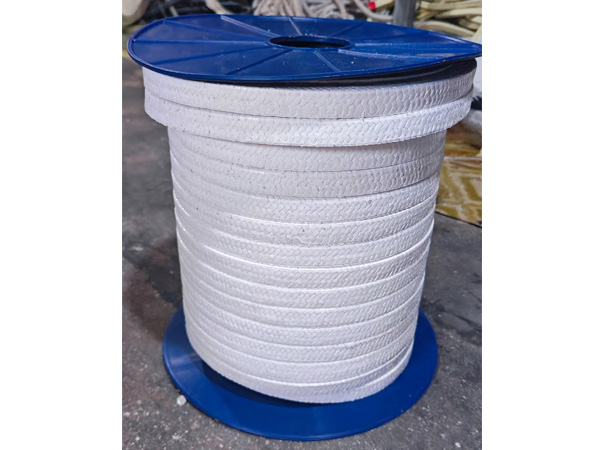
It is made from aramid fibers and black PTFE by a special mixed weaving process. High-stren...
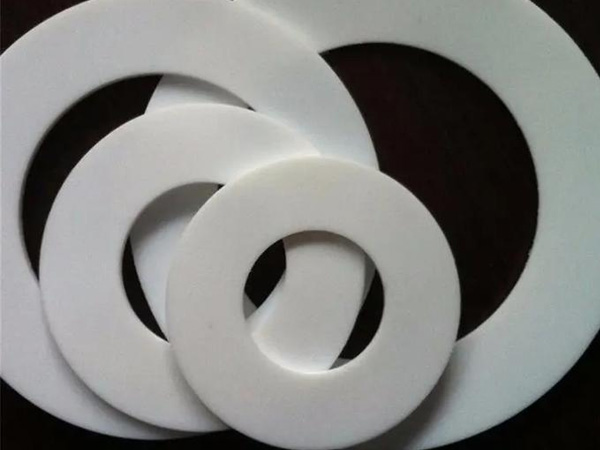
Its multidirectional fibrous structure forms a dense sealing layer under compression, with ...
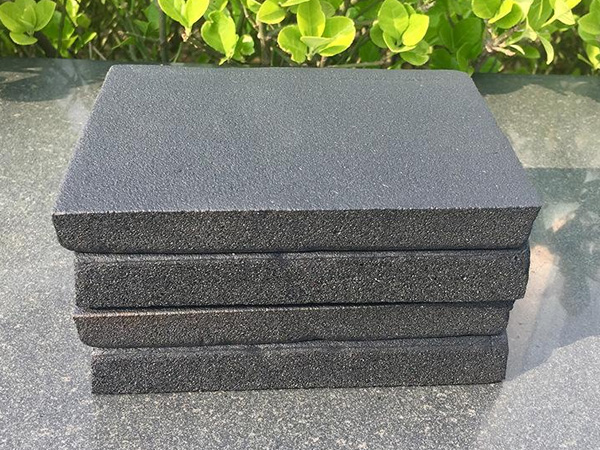
OurFlame Retardant Rubber Foamis a premium closed-cell elastomeric insulation material engi...
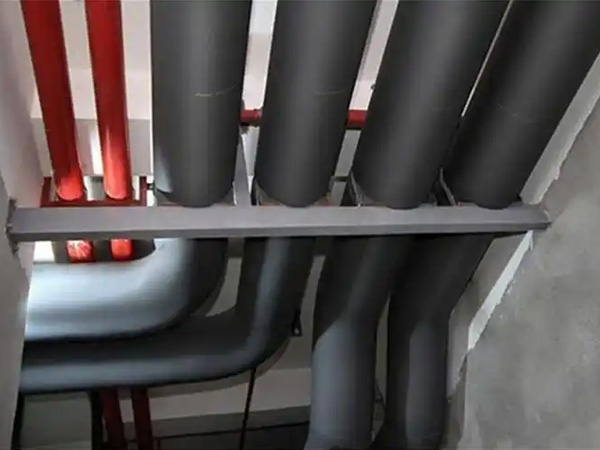
OurRubber Pipe Insulationis a high-performance solution designed specifically for HVAC pipi...