Easy DIY Guide: Installing Heat Insulation Cotton at Home
2026-01-07 15:29:59
Heat insulation cotton has become one of the most practical materials for improving home energy efficiency. With rising energy costs and growing awareness of sustainable living, homeowners are increasingly turning to insulation upgrades as a cost-effective solution. Among various insulation options, heat insulation cotton stands out for its flexibility, thermal performance, and ease of installation.
This guide provides a clear, step-by-step overview of how to install heat insulation cotton at home, even if you have little prior experience with insulation projects.
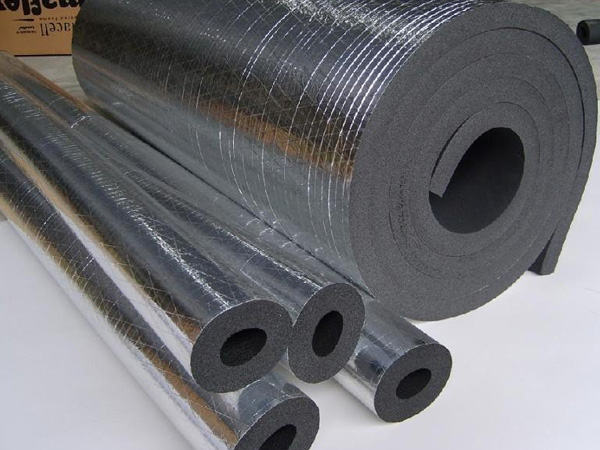
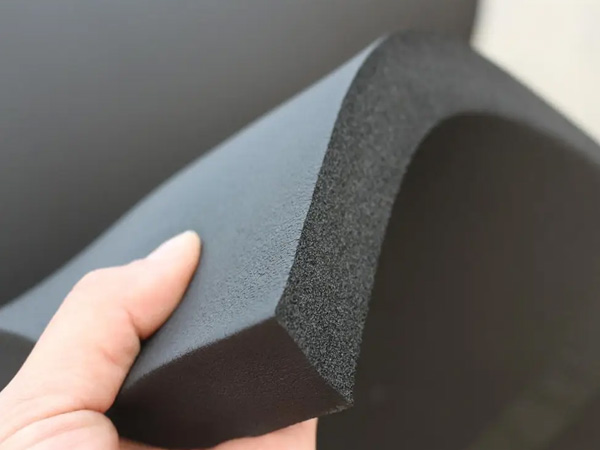
What Is Heat Insulation Cotton?
Heat insulation cotton is a fibrous thermal insulation material designed to reduce heat transfer through walls, ceilings, and other building components. By trapping air within its structure, it slows down heat flow, helping indoor spaces stay warmer in winter and cooler in summer.
Due to standardized manufacturer-controlled production processes, modern heat insulation cotton offers consistent thickness, density, and thermal resistance, making it suitable for DIY home applications.
Why Heat Insulation Cotton Is Ideal for DIY Projects
Not all insulation materials are suitable for non-professional installation. Heat insulation cotton offers several advantages that make it especially DIY-friendly.
Lightweight and Flexible
The material can be easily cut, shaped, and fitted into irregular spaces without specialized equipment.
Safe and Comfortable to Handle
Compared with rigid insulation boards, heat insulation cotton is generally easier to handle and install in confined residential areas.
Energy-Saving Benefits
Once installed, heat insulation cotton reduces heat loss and improves indoor comfort, leading to lower heating and cooling costs over time.
Tools and Materials You Will Need
Before starting installation, prepare the following basic tools:
·Heat insulation cotton rolls or panels
·Utility knife or insulation cutter
·Measuring tape
·Protective gloves and mask
·Stapler or adhesive (depending on installation area)
Using insulation materials supplied through organized production and bulk supply systems ensures uniform quality, which simplifies installation and improves performance.
Step-by-Step Installation Guide
Step 1: Measure the Installation Area
Accurate measurement is essential. Measure the width and depth of wall cavities, ceilings, or attic spaces to ensure the insulation cotton fits snugly.
Step 2: Cut the Heat Insulation Cotton
Using a sharp utility knife, cut the insulation cotton slightly larger than the measured space. This allows for a tight fit that minimizes air gaps.
Step 3: Place the Insulation
Gently press the heat insulation cotton into place. Avoid compressing the material too much, as compression can reduce its thermal effectiveness.
Step 4: Secure the Material
Depending on the location, use staples, wire supports, or adhesive to keep the insulation in position. Ensure it stays flush against the surface.
Step 5: Seal Gaps and Edges
Inspect edges and joints carefully. Small gaps can reduce insulation efficiency, so fill them properly using additional insulation pieces.
Common Mistakes to Avoid
Even simple DIY insulation projects can fail if common errors are made.
Over-Compression
Compressing heat insulation cotton reduces trapped air, which lowers its insulating capability.
Incomplete Coverage
Leaving uncovered areas or thermal bridges reduces overall performance.
Ignoring Moisture Control
In damp areas, proper vapor barriers or moisture protection may be necessary to maintain long-term effectiveness.
Best Areas in the Home for Installation
Heat insulation cotton can be installed in various parts of a home:
·Attics and ceilings
·Interior and exterior walls
·Floors above unheated spaces
·Garage ceilings
Targeting these areas delivers the greatest energy-saving benefits.
Maintenance and Longevity
Once installed, heat insulation cotton requires minimal maintenance. Periodic inspection is recommended to ensure it remains dry and properly positioned.
High-quality materials produced under consistent manufacturing standards maintain their shape and thermal performance over many years, even in residential environments.
Energy Efficiency and Cost Savings
Installing heat insulation cotton can significantly reduce heat loss, which directly lowers energy consumption. Many homeowners notice improved comfort almost immediately after installation.
Over time, energy savings often offset the initial material cost, making insulation upgrades a practical long-term investment.
Environmental Considerations
Heat insulation cotton contributes to energy efficiency by reducing heating and cooling demands. Lower energy usage translates into reduced carbon emissions, supporting more sustainable living practices.
For homeowners seeking eco-friendly upgrades, insulation is one of the most effective first steps.
Final Thoughts on Heat Insulation Cotton Installation
Installing heat insulation cotton at home is a practical and achievable DIY project that delivers lasting benefits. With proper preparation, careful installation, and attention to detail, homeowners can significantly improve indoor comfort and energy efficiency.
Backed by stable manufacturer-grade production quality and reliable bulk supply capability, heat insulation cotton remains a trusted insulation solution for modern homes seeking cost-effective energy savings.
References
GB/T 7714:Papadopoulos A M. State of the art in thermal insulation materials and aims for future developments[J]. Energy and buildings, 2005, 37(1): 77-86.
MLA:Papadopoulos, Agis M. "State of the art in thermal insulation materials and aims for future developments." Energy and buildings 37.1 (2005): 77-86.
APA:Papadopoulos, A. M. (2005). State of the art in thermal insulation materials and aims for future developments. Energy and buildings, 37(1), 77-86.
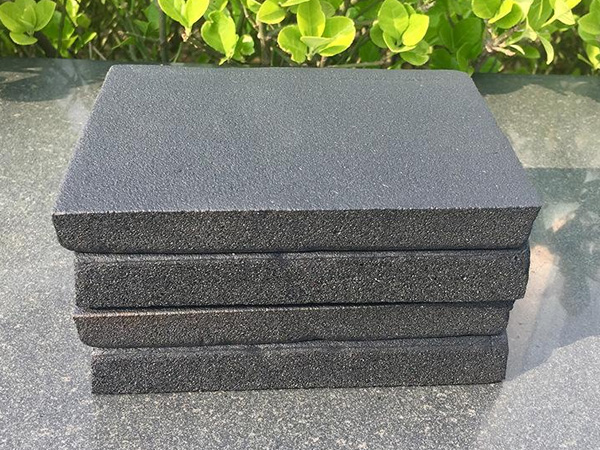
OurFlame Retardant Rubber Foamis a premium closed-cell elastomeric insulation material engi...
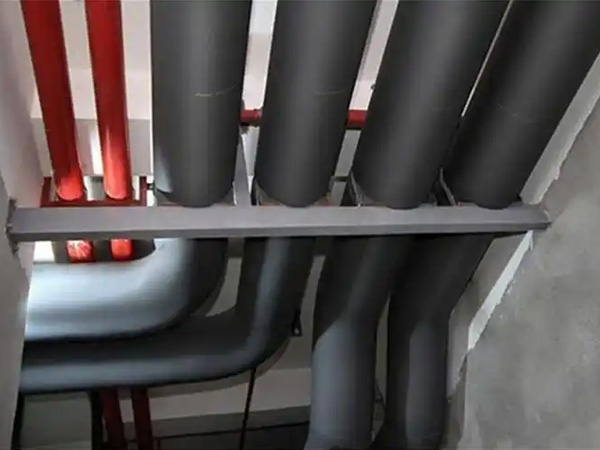
OurRubber Pipe Insulationis a high-performance solution designed specifically for HVAC pipi...
Rubber Foam Insulation Sheet – Product Introduction Premium Flexible Insulation for Therm...
Specially engineered for refrigeration applications, ourElastomeric Rubber Insulationprovid...