How Sound Insulation Cotton Reduces Noise in Apartments and Offices
2025-12-20 12:15:09
Why Sound Insulation Cotton Matters in Modern Buildings
Sound insulation cotton plays a critical role in reducing noise pollution in apartments, offices, and commercial buildings. With increasing urban density and open-plan architectural designs, unwanted noise has become one of the most common comfort complaints. From neighbors’ footsteps to office conversations and mechanical vibrations, poor acoustic control directly affects productivity, privacy, and well-being.
As a material produced through standardized industrial manufacturing processes, sound insulation cotton is designed for large-scale application, offering reliable performance, consistent density, and stable bulk supply for residential and commercial projects. This makes it a preferred choice for contractors, architects, and developers seeking efficient noise control solutions.
What Is Sound Insulation Cotton?
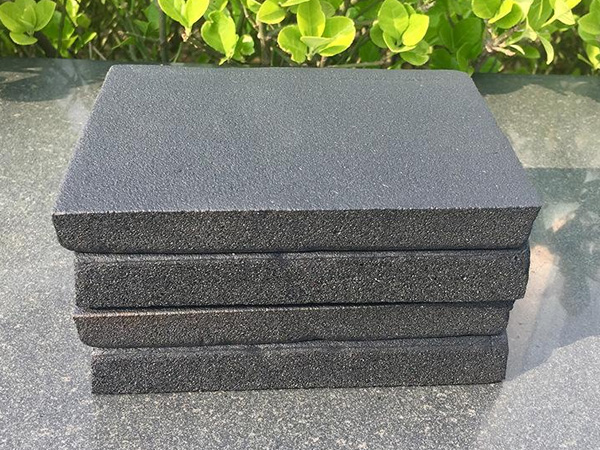
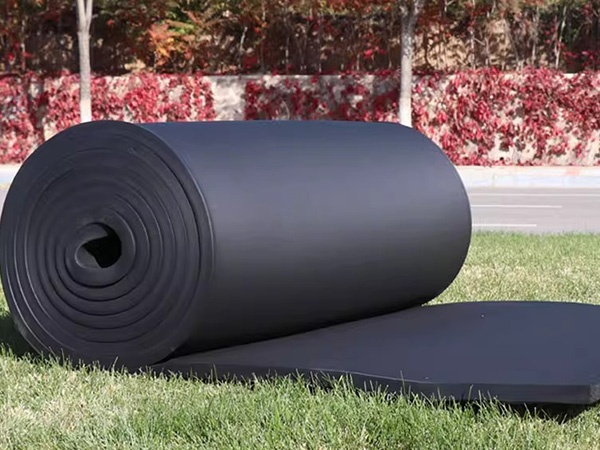
Sound insulation cotton is a fibrous acoustic material engineered to absorb, dampen, and block sound waves. It is commonly made from mineral fibers, polyester fibers, or other high-density acoustic blends processed under controlled production conditions.
Unlike decorative sound panels, sound insulation cotton is typically installed inside walls, ceilings, floors, and partitions, where it works invisibly to reduce sound transmission between spaces.
Key characteristics include:
·High sound absorption coefficient
·Stable fiber structure for long-term use
·Lightweight yet dense composition
·Compatibility with mass production and bulk supply
These properties make sound insulation cotton ideal for apartments, offices, hotels, studios, and mixed-use buildings.
How Sound Insulation Cotton Reduces Noise
1. Absorbing Airborne Sound
Airborne noise, such as speech, music, or television sound, travels through air and penetrates walls and ceilings. Sound insulation cotton absorbs these sound waves by converting acoustic energy into low-level heat through fiber friction.
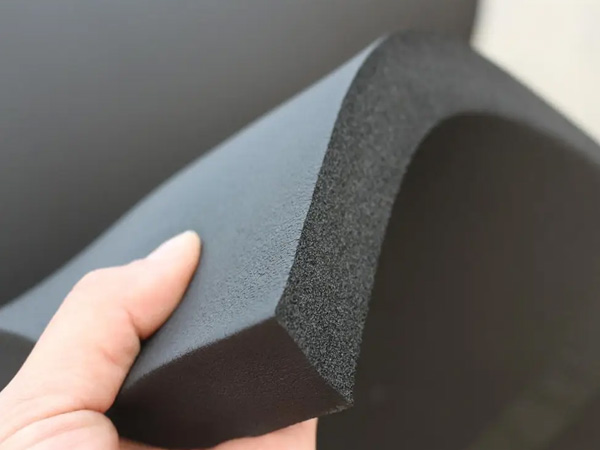
The porous structure of sound insulation cotton traps sound waves, preventing them from bouncing back into the room or passing through partitions.
2. Reducing Structural Sound Transmission
In apartments and offices, noise often travels through building structures, including walls, floors, and ceilings. Sound insulation cotton reduces this transmission by:
·Interrupting vibration paths
·Filling voids within structural elements
·Increasing overall acoustic mass when combined with drywall or concrete
This is particularly effective in multi-story residential buildings and open-plan office environments.
3. Improving Acoustic Comfort Indoors
Beyond blocking noise between rooms, sound insulation cotton also enhances indoor sound quality. By reducing echo and reverberation, it creates quieter, more comfortable living and working environments.
In offices, this leads to:
·Better speech clarity
·Reduced distractions
·Improved employee focus
In apartments, it provides greater privacy and restful living conditions.
Applications in Apartments
Sound insulation cotton is widely used in residential construction due to its adaptability and installation efficiency.
Common Apartment Applications
·Partition walls between units
·Ceilings to reduce upstairs noise
·Floor systems for impact noise control
·Bedrooms and living rooms for privacy
Because sound insulation cotton is manufactured in standardized sizes and densities, it supports batch production and large-volume supply, making it suitable for real estate developments and renovation projects.
Applications in Offices
Modern offices face unique acoustic challenges, especially in open layouts. Sound insulation cotton helps manage noise without altering visual design.
Office Use Scenarios
·Conference rooms
·Open-plan workspaces
·Manager offices
·Server rooms and equipment areas
As a factory-produced acoustic material, sound insulation cotton ensures consistent performance across multiple office floors or buildings, supporting unified acoustic standards in large projects.
Advantages of Sound Insulation Cotton Compared to Traditional Materials
Sound insulation cotton offers several advantages over conventional soundproofing methods:
·Higher efficiency per unit thickness
·Easier installation during construction or renovation
·Stable quality from industrial production lines
·Scalable supply for large and repeat projects
These advantages explain why sound insulation cotton has become a mainstream choice in residential and commercial construction worldwide.
Installation Considerations for Best Results
To maximize the effectiveness of sound insulation cotton, proper installation is essential:
·Ensure full cavity coverage without gaps
·Combine with airtight construction methods
·Use in conjunction with sound-blocking layers
·Follow recommended thickness and density guidelines
Professional installers often prefer sound insulation cotton sourced from manufacturers with mature production systems and reliable bulk delivery capabilities.
Sustainability and Long-Term Performance
Many modern sound insulation cotton products are designed with durability and sustainability in mind. High-quality manufacturing processes ensure:
·Long service life
·Resistance to deformation
·Stable acoustic performance over time
This makes sound insulation cotton a cost-effective solution for long-term noise control in both apartments and offices.
Conclusion: A Reliable Acoustic Solution for Modern Spaces
Sound insulation cotton remains one of the most effective and practical solutions for reducing noise in apartments and offices. Its ability to absorb sound, limit structural vibration, and improve indoor acoustic comfort makes it essential in modern construction.
Supported by standardized manufacturing, controlled production processes, and stable bulk supply, sound insulation cotton is well suited for large-scale residential and commercial projects. Whether used in new buildings or renovations, it provides a dependable foundation for quieter, more comfortable living and working environments.
References
GB/T 7714:Noise and vibration control engineering: principles and applications[M]. John Wiley & Sons, 2005.
MLA:Vér, István L., and Leo L. Beranek, eds. Noise and vibration control engineering: principles and applications. John Wiley & Sons, 2005.
APA:Vér, I. L., & Beranek, L. L. (Eds.). (2005). Noise and vibration control engineering: principles and applications. John Wiley & Sons.
OurFlame Retardant Rubber Foamis a premium closed-cell elastomeric insulation material engi...
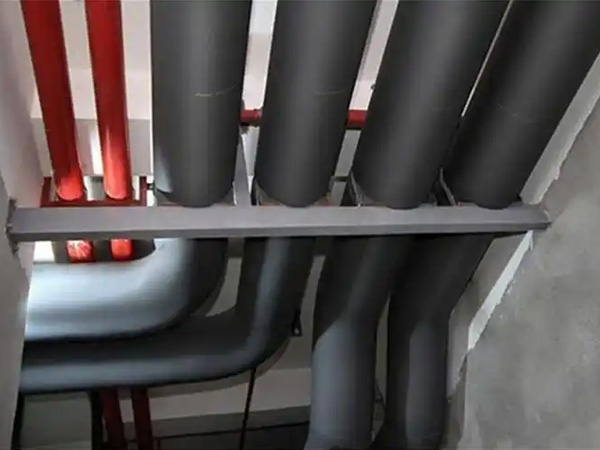
OurRubber Pipe Insulationis a high-performance solution designed specifically for HVAC pipi...
Rubber Foam Insulation Sheet – Product Introduction Premium Flexible Insulation for Therm...
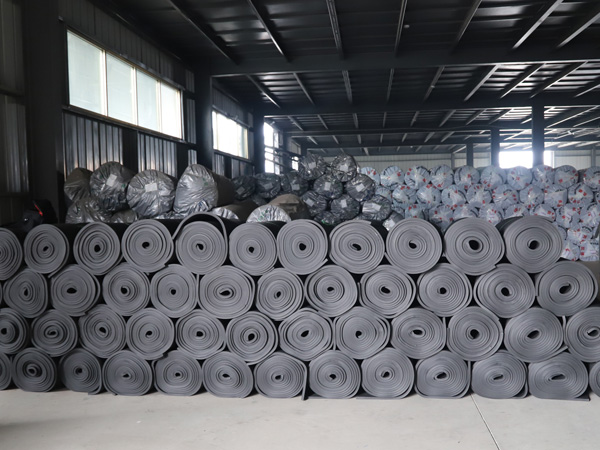
Specially engineered for refrigeration applications, ourElastomeric Rubber Insulationprovid...