How to Install Sound Insulation Cotton: A Complete Step-by-Step Tutorial
2025-12-05 10:55:34
Noise reduction has become essential in modern living and working environments. Whether you're improving a home studio, quieting a vehicle cabin, or insulating machinery, sound insulation cotton remains one of the most efficient materials for reducing airborne noise and enhancing acoustic comfort. Its lightweight structure, ease of installation, and impressive absorption performance make it useful across construction, automotive, and industrial applications.
This comprehensive guide walks you through the entire installation process—covering preparation, measurement, mounting methods, and finishing steps. It is suitable for professionals and DIY users, as well as bulk buyers working with a dependable Manufacturer that maintains stable Production capabilities.
1. Understanding Sound Insulation Cotton and Its Benefits
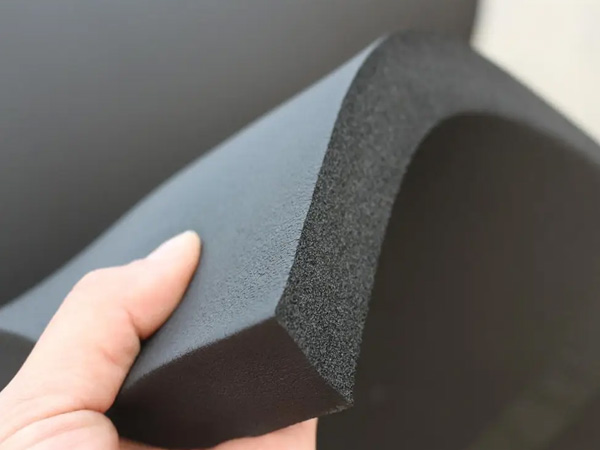
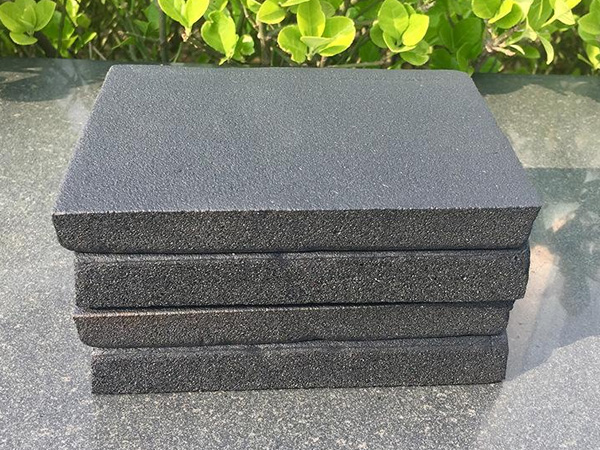
Sound insulation cotton refers to fibrous acoustic materials designed to absorb sound waves, limit resonance, and reduce noise transmission.
Common varieties include:
·Polyester acoustic fiber
·Glass wool insulation
·Rock wool mineral fiber
·Composite cotton with fabric or foil backing
Key advantages include:
·Strong sound absorption performance
·Lightweight and flexible structure
·High-temperature resistance
·Easy cutting and shaping
·Compatible with wood, metal, drywall, and plastic surfaces
·Eco-friendly options available
Because of its versatility, it is widely used in:
·Residential rooms and interior partitions
·Automotive doors, floors, and roof panels
·Home appliances and machine housings
·Ventilation duct systems
·Workshop and factory noise control
2. Tools and Materials Required Before Installation
To ensure a clean and efficient installation, prepare the following items:
Tools
·Sharp utility knife or insulation cutter
·Measuring tape
·Pencil or chalk marker
·Pressing roller or flat plastic scraper
·Staple gun, fasteners, or adhesive
·Safety gloves and dust mask
Materials
·Sound insulation cotton (sheets or rolls)
·Industrial adhesive spray or double-sided tape
·Optional: foil insulation for heat protection
·Cleaning cloth or surface degreaser
Having everything ready beforehand avoids delays and ensures accurate placement.
3. Step-by-Step Guide to Installing Sound Insulation Cotton
Step 1: Surface Preparation
A clean surface ensures long-term adhesion and better acoustic sealing.
·Remove dust, moisture, and grease
·Inspect for mold or corrosion
·Dry the area completely
For vehicle interiors, wipe metal panels with a degreasing agent.
For wall cavities, remove outdated insulation and check for moisture issues.
Step 2: Take Accurate Measurements
Proper sizing greatly influences the quality of your installation.
·Measure each area or cavity precisely
·Mark the dimensions on the insulation material
·Account for curves or irregular shapes
Accurate measurement reduces waste and ensures a tight, professional finish.
Step 3: Cut the Insulation Material
Use a sharp knife to cut the sound insulation cotton to size.
Tips:
·Cut slightly larger pieces to create a snug fit
·Use a straightedge for clean, consistent cuts
·Avoid crushing the fibers during cutting
Proper cutting ensures the material maintains its acoustic structure.
Step 4: Apply Adhesive or Mounting Supports
Mounting methods vary depending on the installation environment:
Automotive and Machinery Areas
·Spray adhesive evenly on the back of the insulation
·Allow it to become tacky
·Press the cotton firmly onto metal surfaces
Construction and Interior Walls
·Insert the material into wall cavities
·Staple it along wooden studs
·For metal framing, use industrial tape or specialized clips
Ensure full contact between the insulation and the surface.
Step 5: Press, Smooth, and Secure
Use a roller or flat scraper to press the insulation firmly in place.
This step helps:
·Remove air pockets
·Improve adhesive bonding
·Enhance acoustic performance
·Keep the surface even
Pay extra attention to corners and edges where sound often leaks through.
Step 6: Add Finishing or Protective Layers
Depending on the project:
·Home renovation: Cover with drywall, plywood, or acoustic panels
·Vehicle installation: Reinstall trim panels, carpeting, or liners
·Industrial machinery: Reattach the external casing or cover
·Thermal insulation: Add aluminum foil for heat reflection if required
This final layer protects the insulation and completes the installation.
4. Expert Tips for Better Soundproofing Results
·Seal gaps carefully
Even tiny gaps can significantly weaken noise reduction.
·Combine materials for enhanced performance
For example, pair sound insulation cotton with damping mats or mass-loaded vinyl.
·Maintain the material’s thickness
Avoid compressing the fibers, which reduces sound absorption efficiency.
·Choose higher-density cotton for low-frequency noise
Deep, bass-like noises require denser insulation.
·Replace moisture-damaged insulation
Wet material loses its acoustic properties and may promote mold growth.
5. Safety Guidelines During Installation
Some types of insulation—especially glass wool and rock wool—may irritate skin and lungs.
Follow these precautions:
·Wear gloves and protective clothing
·Use a dust mask or respirator
·Avoid rubbing your eyes during installation
·Wash hands thoroughly afterward
·Store leftover pieces safely
Polyester-based sound insulation cotton is more user-friendly, making it ideal for home DIY work.
6. Where Sound Insulation Cotton Is Commonly Used
Residential Applications
·Bedrooms and living rooms
·Home theaters
·Partition walls
·Laundry and utility rooms
Automotive Applications
·Doors, roofs, and floor panels
·Trunks and rear cabins
·Firewall areas
Industrial & Commercial Applications
·Generator or compressor housings
·Factory noise barriers
·HVAC and ventilation ducts
·Equipment enclosures
Because many suppliers offer sound insulation cotton with Manufacturer-level bulk Production capacity, it’s widely used in large construction and automotive projects.
Conclusion: Achieving Effective Noise Reduction with Proper Installation
Installing sound insulation cotton is a reliable and efficient way to reduce unwanted noise in nearly any environment. From homes and offices to vehicles and machinery, proper installation improves acoustic comfort, prevents echo, and enhances sound quality. By following each step—preparation, measurement, cutting, fixing, pressing, and finishing—you can achieve professional-level noise control with confidence.
For project planners, contractors, and bulk purchasers, choosing materials produced by a trusted Manufacturer with stable Production capability ensures consistent quality and reliable long-term performance.
From start to finish, sound insulation cotton remains a dependable, high-performance solution for modern noise reduction needs.
References
GB/T 7714:Junqiang W. Experimental study on sound insulation performance of lightweight wall with double leaf structure in green building[J]. Technical Acoustics, 2021, 40(5): 657-662.
MLA:Junqiang, W. A. N. G. "Experimental study on sound insulation performance of lightweight wall with double leaf structure in green building." Technical Acoustics 40.5 (2021): 657-662.
APA:Junqiang, W. A. N. G. (2021). Experimental study on sound insulation performance of lightweight wall with double leaf structure in green building. Technical Acoustics, 40(5), 657-662.
OurFlame Retardant Rubber Foamis a premium closed-cell elastomeric insulation material engi...
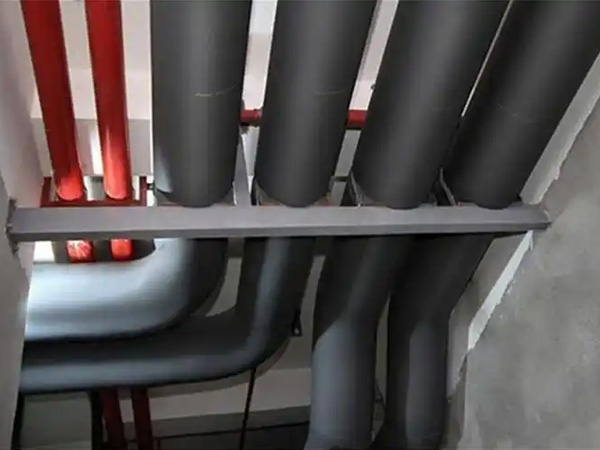
OurRubber Pipe Insulationis a high-performance solution designed specifically for HVAC pipi...
Rubber Foam Insulation Sheet – Product Introduction Premium Flexible Insulation for Therm...
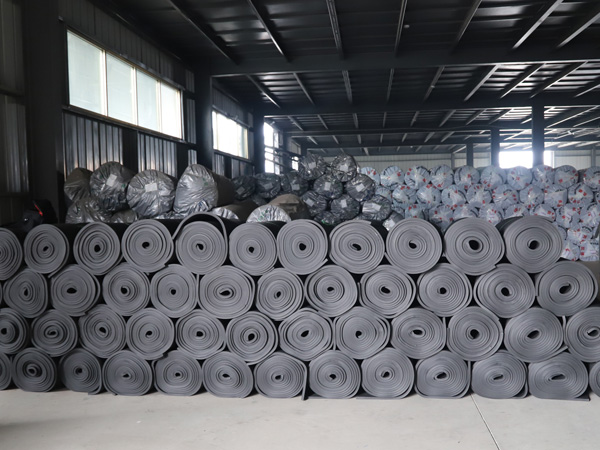
Specially engineered for refrigeration applications, ourElastomeric Rubber Insulationprovid...