The Future of Insulation: Innovations in Phenolic Foam Technology
2025-12-08 10:55:38
The global push toward smarter, more energy-efficient structures has increased the demand for high-performance insulation materials. At the forefront of this shift is Phenolic Insulation Board, a product long recognized for its exceptional thermal stability and fire-safe characteristics. Today, rapid advancements in polymer engineering and expanded Manufacturer innovation are driving phenolic foam toward an entirely new generation of performance.
As governments tighten energy codes and developers seek materials with better durability, lighter weight, and reduced environmental impact, phenolic foam technology is evolving to meet these expectations. This article explores the future trends redefining phenolic foam and why it will play a central role in next-decade building strategies.
1. Why Phenolic Foam Is Emerging as a Next-Generation Material
Modern construction prioritizes low energy consumption, reduced emissions, and strict fire-safety compliance. Phenolic foam occupies a unique position because it naturally aligns with all three priorities.
Key advantages include:
·Ultra-low thermal conductivity—among the lowest of any rigid insulation
·Remarkable fire behavior, producing minimal smoke and retaining structural stability
·Dimensional consistency, even under fluctuating temperatures
·Lightweight construction, reducing load on walls, roofs, and façade systems
·Improved moisture resistance compared to older open-cell phenolic options
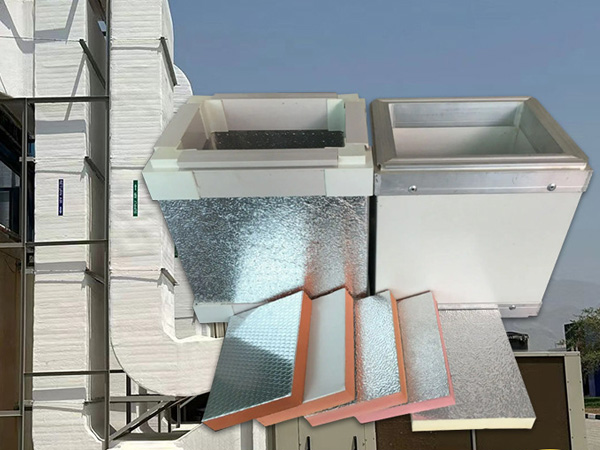
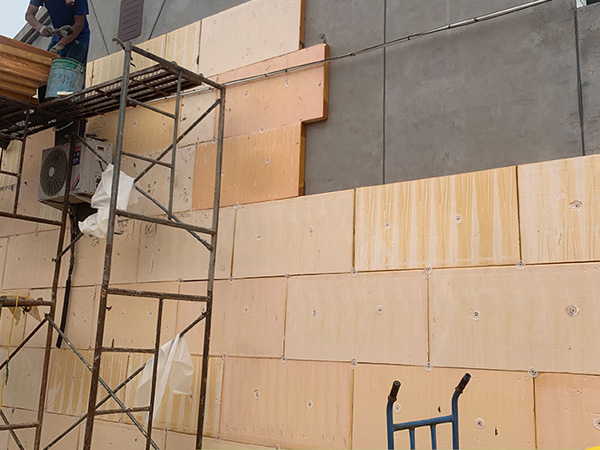
These benefits allow Phenolic Insulation Board to excel in demanding applications such as façades, HVAC ducting, industrial cooling systems, and high-rise building envelopes.
2. Breakthrough Innovations Driving the Future of Phenolic Foam
The next phase of phenolic insulation is defined by scientific improvements that significantly enhance performance and broaden application possibilities.
·Enhanced Closed-Cell Integrity
Early phenolic foam often suffered from partial open-cell configuration, limiting moisture control. Recent advancements emphasize:
·More uniform cell distribution
·Higher closed-cell percentages
·Improved vapor resistance
·Greater long-term thermal aging performance
These upgrades ensure better durability and superior stability during the entire lifecycle of the building.
·Fire-Protection Chemistry Redefined
Phenolic insulation has always been valued for its fire performance, but new formulations now optimize:
·Char-forming mechanisms
·Oxygen-limited combustion
·Smoke suppression
·Tunnel-test flame-spread resistance
The result: insulation capable of meeting emerging global fire-safety regulations that exceed current requirements.
·Eco-Conscious Resin Systems
Growing environmental standards are influencing the chemistry behind phenolic materials. Innovations now include:
·Lower-emission phenolic resin structures
·Reduced use of hazardous additives
·Higher recyclability of trimming material
·Cleaner curing cycles with less heat waste
These improvements address both sustainability expectations and green-construction certification pathways.
·Stronger Facing and Laminate Integration
A major leap in phenolic foam design involves the development of new surface laminates:
·Reinforced fiberglass or non-woven facings
·High-reflectivity aluminum foil surfaces
·Weather-resistant exterior skins
·Improved anti-delamination adhesives
Such enhancements result in increased mechanical strength, better climate durability, and more efficient installation performance.
·Precision Production Technology
Modern foaming lines use real-time digital calibration to achieve uniform density, consistent thickness, and smooth surface finish. This level of quality, supported by advanced Production facilities capable of large-scale output, ensures reliable performance across major commercial and industrial projects.
3. Expanding Applications in Tomorrow’s Construction Landscape
As building science evolves, phenolic foam is being adopted in a wider range of scenarios due to its balanced profile of safety, weight, and thermal protection.
High-Efficiency Building Envelopes
The ability to deliver strong insulation with minimal thickness makes phenolic foam ideal for future thin-wall, high-performance façades.
HVAC and Air-Distribution Systems
Improved moisture resistance enables phenolic boards to remain stable inside ducting systems where condensation challenges other insulation types.
Roof and Façade Fire-Safe Assemblies
Phenolic foam’s low smoke generation and high charring stability support its integration into next-generation fire-rated roof systems.
Cold-Chain and Temperature-Critical Facilities
Phenolic insulation maintains thermal consistency in low-temperature environments, making it suitable for refrigerated warehouses and pharmaceutical storage.
4. Sustainability as the Core Driver of Innovation
Environmental responsibility has shifted from a trend to an industry standard. Phenolic foam technology is adapting rapidly to meet these demands.
Reduced Material Waste
Precision production minimizes trimming scrap and supports circular-economy recycling initiatives.
Better Thermal Efficiency per Unit Thickness
Higher R-value performance contributes to reduced building energy consumption, lowering overall carbon footprint.
Cleaner Indoor Air
Refined resin systems reduce volatile emissions, aligning with modern indoor environmental quality guidelines.
Long Service Life
Improved aging behavior and dimensional stability reduce long-term replacement needs—an often overlooked sustainability factor.
5. The Next Chapter for Phenolic Insulation Materials
The evolution of phenolic foam indicates several future directions likely to shape the insulation market:
·Hybrid phenolic-composite cores offering multi-functional performance
·Ultra-thin yet ultra-efficient panels optimized for space-limited designs
·Bio-enhanced phenolic chemistry, reducing reliance on fossil-based inputs
·High-durability architectural facings for exposed or semi-exposed applications
·Closed-loop recycling integration enabling nearly waste-free manufacturing
As global standards advance, phenolic insulation is expected to play a defining role in next-generation construction, energy-efficient retrofits, and fire-resistant architectural systems.
Conclusion: Phenolic Foam Is Poised to Lead the Future of Insulation
The rapid progression of phenolic foam technology signals a major shift in how buildings will be insulated in the future. Enhanced fire behavior, improved closed-cell stability, smarter environmental chemistry, and digitized production mean Phenolic Insulation Board is now more advanced than ever.
Architects, engineers, and builders seeking dependable performance frequently rely on materials sourced from experienced Manufacturer facilities capable of consistent, large-volume Production. As the construction world embraces higher efficiency and stricter safety standards, phenolic foam stands out as one of the most adaptable, high-performance insulation solutions available.
Phenolic Insulation Board remains a forward-looking material—and its technological evolution continues to shape the future of thermal protection.
References
GB/T 7714:Asdrubali F, D'Alessandro F, Schiavoni S. A review of unconventional sustainable building insulation materials[J]. Sustainable Materials and Technologies, 2015, 4: 1-17.
MLA:Asdrubali, Francesco, Francesco D'Alessandro, and Samuele Schiavoni. "A review of unconventional sustainable building insulation materials." Sustainable Materials and Technologies 4 (2015): 1-17.
APA:Asdrubali, F., D'Alessandro, F., & Schiavoni, S. (2015). A review of unconventional sustainable building insulation materials. Sustainable Materials and Technologies, 4, 1-17.
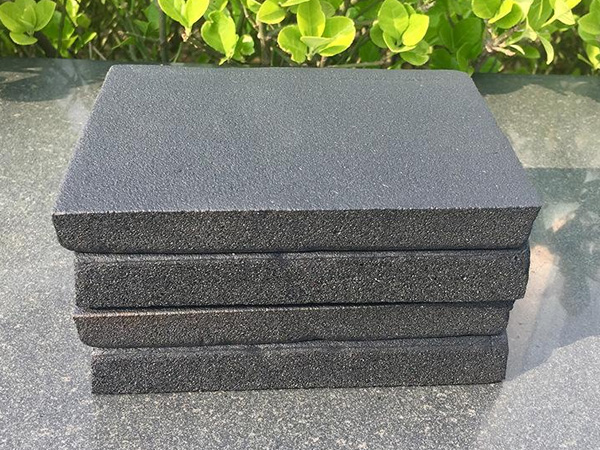
OurFlame Retardant Rubber Foamis a premium closed-cell elastomeric insulation material engi...
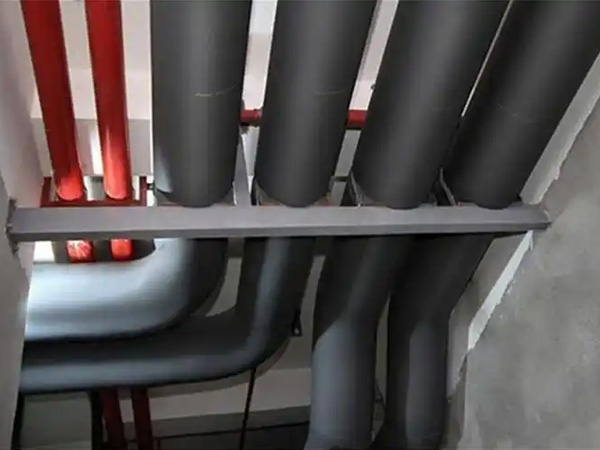
OurRubber Pipe Insulationis a high-performance solution designed specifically for HVAC pipi...
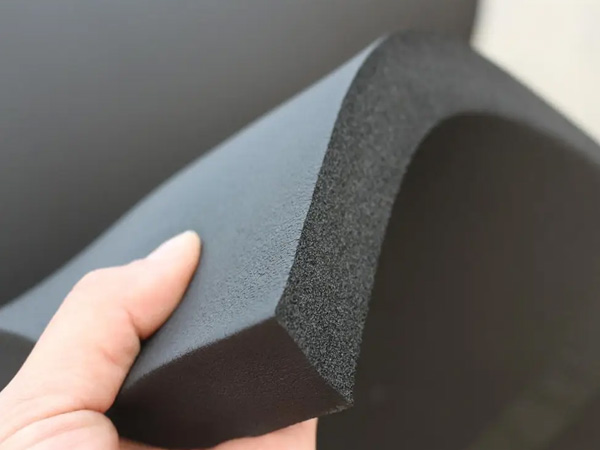
Rubber Foam Insulation Sheet – Product Introduction Premium Flexible Insulation for Therm...
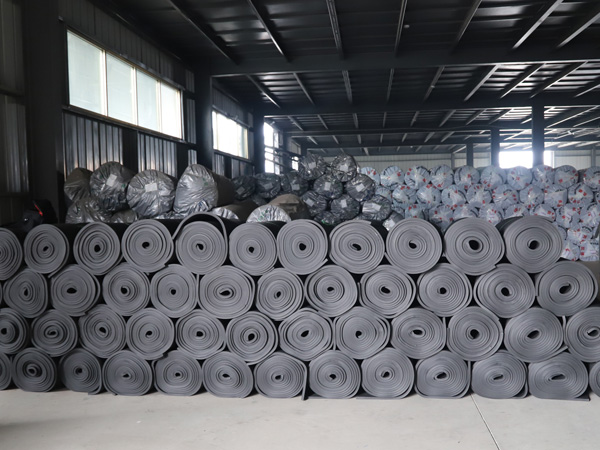
Specially engineered for refrigeration applications, ourElastomeric Rubber Insulationprovid...