Phenolic Foam Board Explained: Composition and Key Advantages
2026-01-01 15:18:36
Phenolic Foam Board is widely recognized as a high-performance insulation solution for modern construction, HVAC systems, and industrial applications. With increasing demand for energy efficiency, fire safety, and space-saving insulation materials, phenolic foam board has become a preferred choice in many large-scale projects.
From the perspective of a professional manufacturer, phenolic foam board combines advanced material science with scalable production processes, making it suitable for consistent quality output and bulk supply. This article explains the composition of phenolic foam board and highlights its key advantages in practical use.
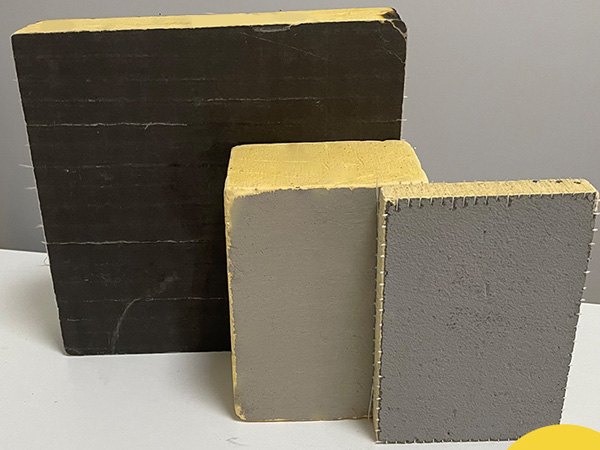
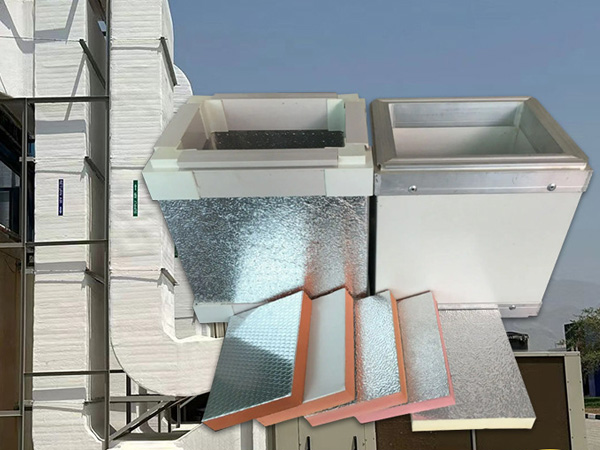
What Is Phenolic Foam Board?
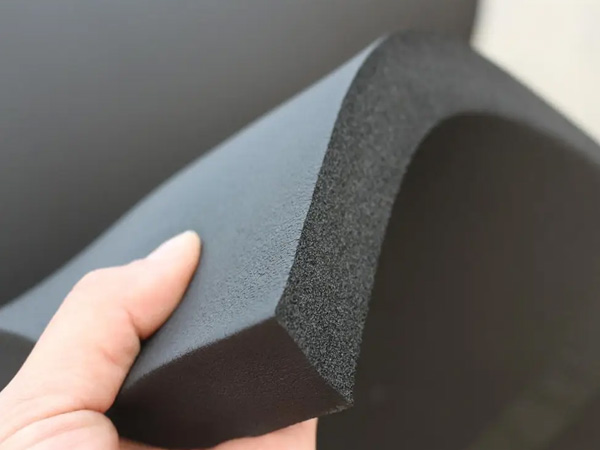
Phenolic foam board is a rigid insulation panel manufactured from phenolic resin through a controlled foaming and curing process. The result is a lightweight yet strong board with a fine closed-cell structure that delivers excellent thermal insulation and fire performance.
Unlike conventional insulation materials, phenolic foam board is designed to provide high efficiency at reduced thickness, helping engineers and designers optimize space without compromising insulation quality.
Composition of Phenolic Foam Board
Phenolic Resin Matrix
The primary component of phenolic foam board is phenolic resin, a thermosetting polymer known for its thermal stability and inherent fire resistance. Once cured, the resin forms a rigid network that maintains structural integrity under temperature fluctuations.
This resin-based matrix is a key reason why phenolic foam board performs reliably in demanding insulation environments.
Closed-Cell Foam Structure
Phenolic foam board features a predominantly closed-cell structure, where each cell traps air or gas with low thermal conductivity. This structure contributes to:
·Reduced heat transfer
·Improved insulation efficiency
·Lower moisture absorption
Uniform cell distribution is achieved through precise control during production, ensuring consistent performance across large-volume manufacturing.
Surface Facings and Finishes
To enhance durability and application compatibility, phenolic foam board can be produced with various surface facings. These facings improve mechanical strength, surface protection, and ease of installation in different insulation systems.
Key Advantages of Phenolic Foam Board
1. Excellent Thermal Insulation Performance
One of the most significant advantages of phenolic foam board is its low thermal conductivity. This allows insulation systems to achieve high energy efficiency with thinner boards, which is especially valuable in space-constrained applications such as HVAC ducts and building envelopes.
2. Favorable Fire Performance
Phenolic foam board is widely valued for its fire behavior. When exposed to heat, the material tends to form a protective char layer rather than melting or dripping. This characteristic helps limit flame spread and reduces smoke development in insulation systems.
3. Lightweight Yet Rigid Structure
Despite its rigidity, phenolic foam board is lightweight, making handling, transportation, and installation more efficient. For manufacturers managing bulk supply, this reduces logistics costs and improves on-site installation productivity.
4. Dimensional Stability
Phenolic foam board maintains stable dimensions over a wide temperature range. This stability minimizes deformation, shrinkage, or warping during long-term use, contributing to consistent insulation performance throughout the product lifecycle.
5. Moisture Resistance
The closed-cell structure of phenolic foam board limits water absorption and helps maintain insulation effectiveness even in humid environments. This property is particularly important for HVAC systems and building applications where condensation control is critical.
Manufacturing and Production Considerations
From a manufacturer’s perspective, phenolic foam board production requires strict control of formulation, foaming conditions, and curing parameters. Modern production lines are designed to ensure:
·Uniform density and cell structure
·Consistent thickness and surface quality
·Repeatable performance across production batches
These capabilities support stable output and reliable bulk supply for large-scale projects.
Applications of Phenolic Foam Board
Building Insulation
Phenolic foam board is commonly used in walls, roofs, and façade systems to improve thermal efficiency while meeting fire safety requirements. Its lightweight nature also helps reduce structural load in modern building designs.
HVAC and Duct Systems
In HVAC applications, phenolic foam board is widely applied for air duct insulation. Its combination of thermal efficiency, fire performance, and surface compatibility makes it suitable for clean and energy-efficient ventilation systems.
Industrial and Commercial Projects
Phenolic foam board is also used in industrial insulation, equipment enclosures, and energy-saving renovation projects where long-term performance and space efficiency are required.
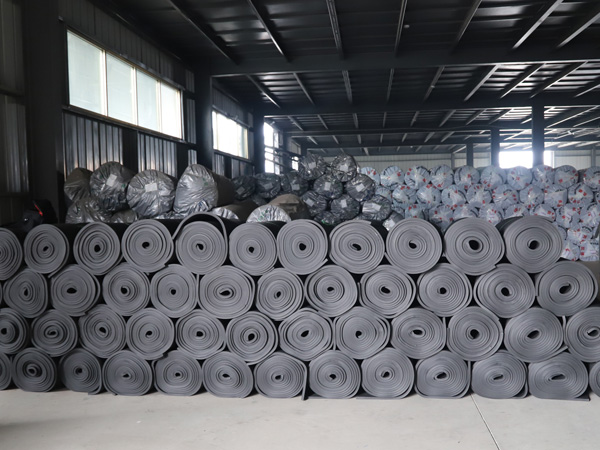
Why Phenolic Foam Board Is Suitable for Bulk Supply Projects
For large projects, material consistency and supply stability are essential. Phenolic foam board offers advantages such as:
·Reliable performance in mass production
·Compatibility with automated cutting and fabrication
·Predictable quality control outcomes
These characteristics make phenolic foam board an ideal insulation solution for projects requiring long-term production planning and bulk supply.
Conclusion: A High-Performance Insulation Solution
With its advanced composition and multiple performance advantages, phenolic foam board has become a trusted insulation material in modern construction and industrial systems. Its low thermal conductivity, favorable fire behavior, and dimensional stability support efficient and safe insulation design.
For projects that demand consistent quality and large-volume availability, Phenolic Foam Board supplied by a professional manufacturer with proven production capability and bulk supply experience offers a reliable solution for long-term insulation performance.
References
GB/T 7714:Schartel B, Hull T R. Development of fire‐retarded materials—interpretation of cone calorimeter data[J]. Fire and Materials: An International Journal, 2007, 31(5): 327-354.
MLA:Schartel, Bernhard, and T. Richard Hull. "Development of fire‐retarded materials—interpretation of cone calorimeter data." Fire and Materials: An International Journal 31.5 (2007): 327-354.
APA:Schartel, B., & Hull, T. R. (2007). Development of fire‐retarded materials—interpretation of cone calorimeter data. Fire and Materials: An International Journal, 31(5), 327-354.
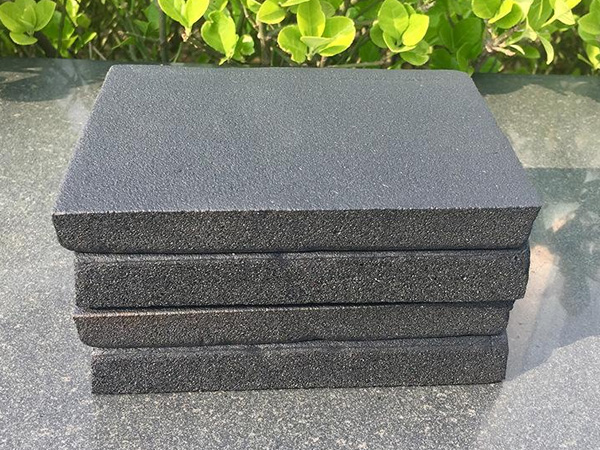
OurFlame Retardant Rubber Foamis a premium closed-cell elastomeric insulation material engi...
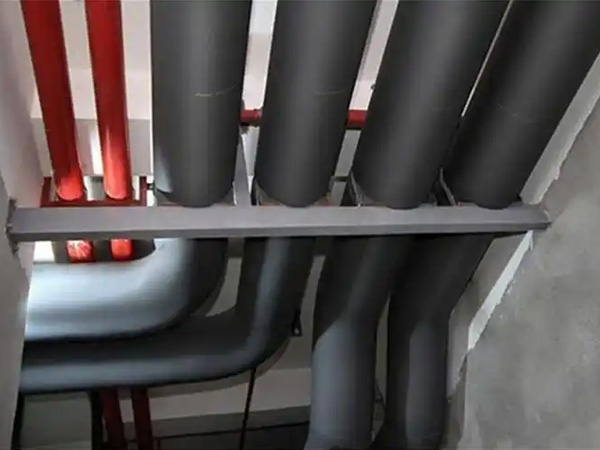
OurRubber Pipe Insulationis a high-performance solution designed specifically for HVAC pipi...
Rubber Foam Insulation Sheet – Product Introduction Premium Flexible Insulation for Therm...
Specially engineered for refrigeration applications, ourElastomeric Rubber Insulationprovid...