What Is Phenolic Foam? Properties, Structure, and Uses
2025-12-29 14:37:41
Phenolic Foam is a high-performance insulation material widely used in modern construction, HVAC systems, and industrial applications. Known for its excellent thermal efficiency, fire resistance, and lightweight structure, phenolic foam has become an increasingly important choice for projects that require reliable insulation performance and long-term stability.
From a manufacturer’s perspective, phenolic foam is valued not only for its material properties but also for its suitability for controlled production and bulk supply. This article provides a comprehensive overview of what phenolic foam is, how it is structured, and where it is commonly used.
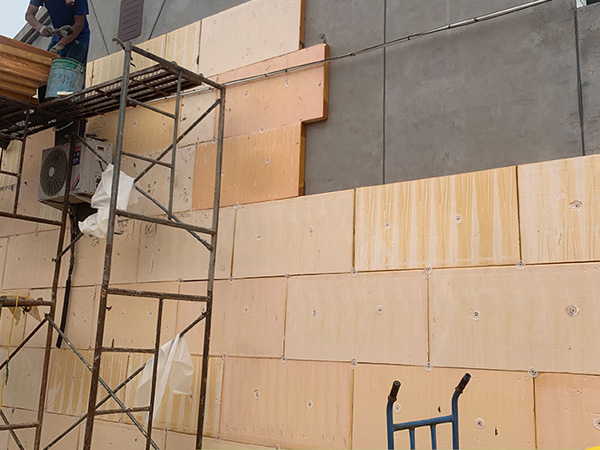
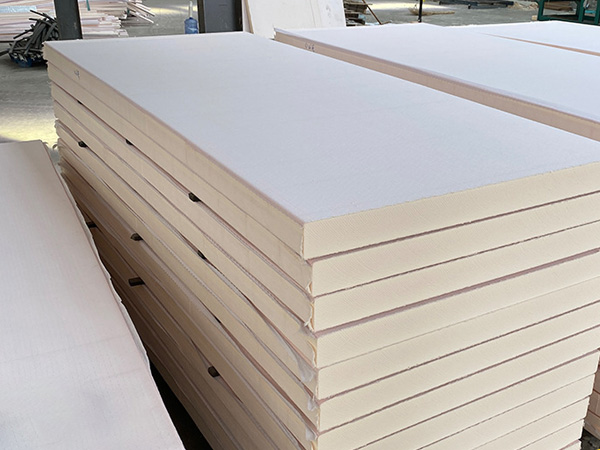
What Is Phenolic Foam?
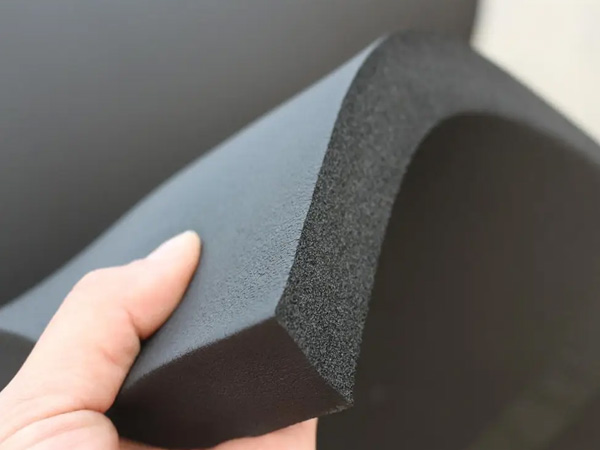
Phenolic foam is a rigid, closed-cell insulation material produced through the controlled foaming of phenolic resin combined with blowing agents and curing systems. During production, the material forms a fine, uniform cellular structure that effectively traps air, resulting in low thermal conductivity.
Unlike some traditional insulation materials, phenolic foam offers a balanced combination of thermal performance, fire behavior, and dimensional stability, making it suitable for demanding building and industrial environments.
Chemical Composition and Material Structure
Phenolic Resin Base
The core component of phenolic foam is phenolic resin, a thermosetting polymer known for its inherent fire resistance and thermal stability. Once cured, the resin forms a rigid matrix that maintains its structure over a wide temperature range.
Closed-Cell Foam Structure
Phenolic foam features a predominantly closed-cell structure, which contributes to:
·Low heat transfer
·Reduced moisture absorption
·Improved insulation efficiency
The small, evenly distributed cells are a key factor in achieving consistent performance across large production batches.
Key Properties of Phenolic Foam
1. Thermal Insulation Performance
One of the primary advantages of phenolic foam is its low thermal conductivity. This allows insulation systems to achieve high energy efficiency with relatively thin material thickness, which is especially beneficial in space-limited applications.
2. Fire Resistance Characteristics
Phenolic foam is recognized for its favorable fire performance. When exposed to high temperatures, it tends to char rather than melt or drip, helping to limit flame spread and smoke development in insulation systems.
3. Lightweight and Easy Handling
Despite its rigidity, phenolic foam is lightweight, making transportation, handling, and installation more efficient. This property supports large-scale production and bulk supply logistics.
4. Dimensional Stability
Phenolic foam maintains stable dimensions under temperature fluctuations, reducing the risk of warping or shrinkage over time. This stability is critical for long-term insulation performance.
Manufacturing Process Overview
From a manufacturing standpoint, phenolic foam production involves several controlled steps:
·Resin formulation and mixing
·Foaming and expansion under controlled conditions
·Curing to achieve structural stability
·Cutting and finishing into boards or custom shapes
Modern production lines are designed to ensure uniform density, consistent cell structure, and repeatable performance across large-volume output.
Common Forms of Phenolic Foam Products
Phenolic Foam Board
Phenolic foam board is the most common commercial form. It is typically supplied in rigid panels with various thicknesses and surface facings to suit different insulation applications.
Pre-Fabricated Insulation Components
For specialized projects, phenolic foam can be processed into custom shapes or composite panels, supporting flexible design requirements while maintaining insulation efficiency.
Applications of Phenolic Foam
Building Insulation Systems
Phenolic foam is widely used in external walls, roofs, and curtain wall systems due to its high insulation efficiency and fire performance. Its lightweight nature also reduces structural load in building designs.
HVAC and Duct Insulation
In HVAC systems, phenolic foam board is commonly applied to air ducts and ventilation systems. Its low thermal conductivity helps minimize energy loss, while its surface compatibility supports clean and efficient airflow systems.
Industrial and Commercial Applications
Phenolic foam is also used in industrial insulation, cold storage facilities, and energy-efficient retrofitting projects where space-saving insulation solutions are required.
Why Manufacturers Choose Phenolic Foam for Bulk Production
From a production and supply perspective, phenolic foam offers several advantages:
·Stable raw material sourcing
·Consistent performance in mass production
·Compatibility with automated cutting and finishing
·Reliable quality control during bulk supply
These characteristics make phenolic foam suitable for long-term supply agreements and large-scale construction projects.
Performance Considerations in Practical Use
When selecting phenolic foam for insulation applications, it is important to evaluate:
·Required thermal performance
·Fire safety requirements
·Installation environment
·Compatibility with system components
Professional manufacturers provide technical data and production consistency to support informed material selection.
Conclusion: A Reliable Insulation Solution for Modern Applications
Phenolic foam has established itself as a high-performance insulation material thanks to its excellent thermal properties, closed-cell structure, and fire resistance. With controlled manufacturing processes and scalable production capacity, phenolic foam products can meet the demands of both small projects and bulk supply requirements.
For applications that prioritize energy efficiency, safety, and long-term reliability, Phenolic Foam supplied by a professional manufacturer with stable production capability and bulk supply experience remains a dependable choice in modern insulation systems.
References
GB/T 7714:Bergman T L. Fundamentals of heat and mass transfer[M]. John Wiley & Sons, 2011.
MLA:Bergman, Theodore L. Fundamentals of heat and mass transfer. John Wiley & Sons, 2011.
APA:Bergman, T. L. (2011). Fundamentals of heat and mass transfer. John Wiley & Sons.
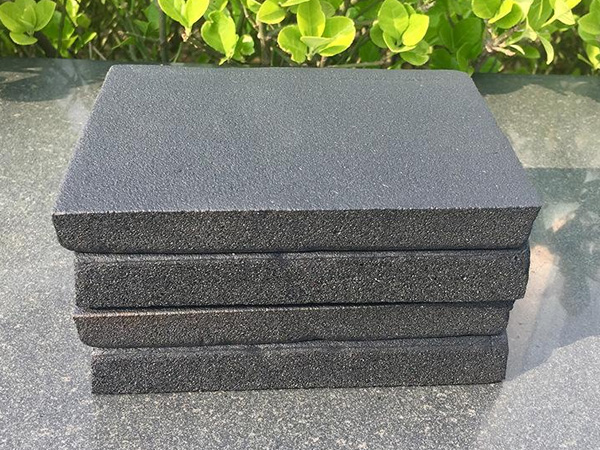
OurFlame Retardant Rubber Foamis a premium closed-cell elastomeric insulation material engi...
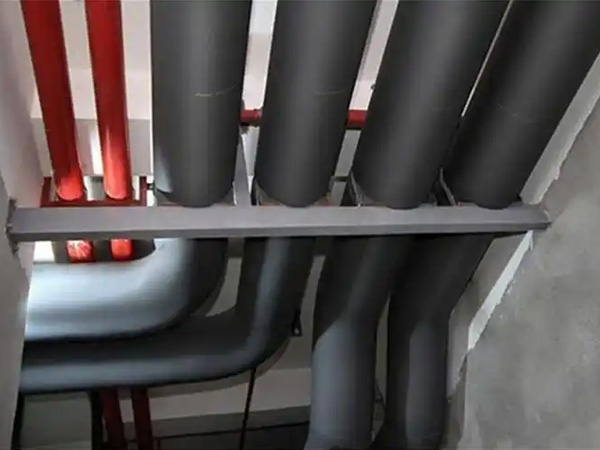
OurRubber Pipe Insulationis a high-performance solution designed specifically for HVAC pipi...
Rubber Foam Insulation Sheet – Product Introduction Premium Flexible Insulation for Therm...
Specially engineered for refrigeration applications, ourElastomeric Rubber Insulationprovid...