Rubber Foam Board: A Sustainable Choice for Green Construction
2025-12-23 13:22:40
Rubber Foam Board and the Future of Green Construction
Rubber Foam Board has become an essential material in modern green construction as sustainability, energy efficiency, and environmental responsibility gain global importance. Architects, developers, and builders are increasingly seeking insulation solutions that not only improve building performance but also reduce environmental impact.
Manufactured through controlled industrial production processes, Rubber Foam Board offers consistent quality and reliable bulk supply, making it suitable for residential, commercial, and industrial construction projects of all sizes. Its combination of thermal efficiency, durability, and eco-friendly characteristics positions it as a practical solution for sustainable buildings.
What Is Rubber Foam Board?
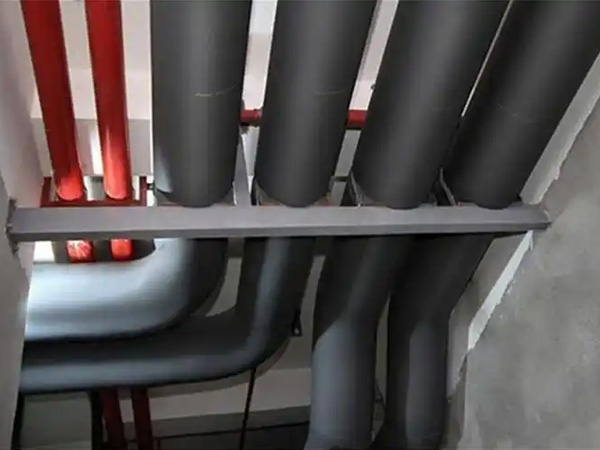
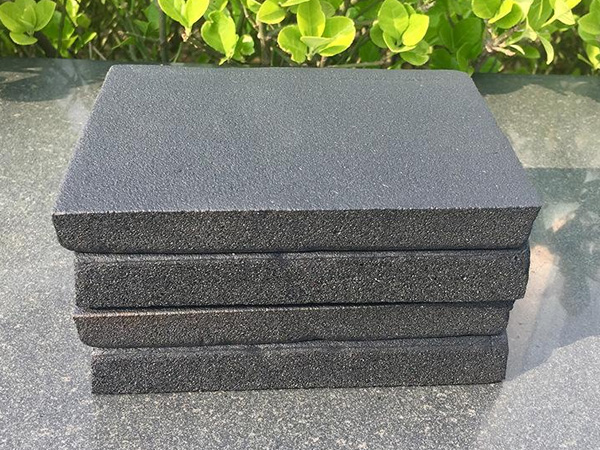
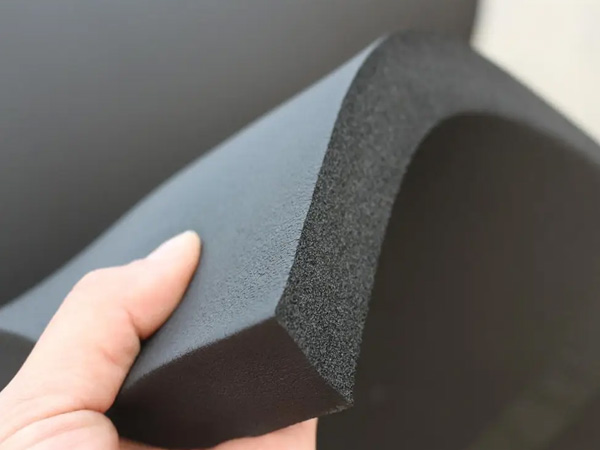
Rubber Foam Board is a closed-cell insulation material typically produced from elastomeric rubber compounds. Its cellular structure traps air within the material, creating effective resistance to heat transfer, moisture penetration, and sound transmission.
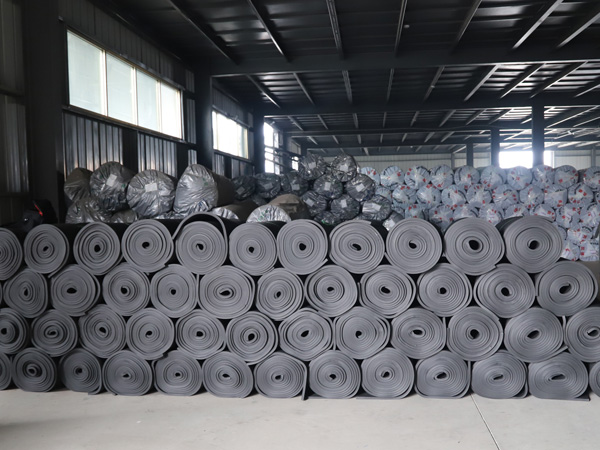
From a manufacturing perspective, Rubber Foam Board is produced in standardized thicknesses and densities, allowing for efficient mass production and stable performance across large project applications.
Key features include:
·Low thermal conductivity
·Moisture and vapor resistance
·Flexible yet durable structure
·Compatibility with large-scale production and supply
These properties make Rubber Foam Board suitable for green construction initiatives focused on long-term efficiency.
Why Rubber Foam Board Supports Sustainable Construction
1. Energy Efficiency and Reduced Carbon Footprint
One of the main goals of green construction is reducing energy consumption. Rubber Foam Board helps achieve this by minimizing heat loss in winter and heat gain in summer. Its thermal insulation properties reduce the need for excessive heating and cooling, directly lowering energy usage.
Over the lifespan of a building, this improved energy efficiency contributes to reduced greenhouse gas emissions, aligning with sustainability standards and environmental building certifications.
2. Long Service Life and Material Efficiency
Sustainable construction emphasizes durability and lifecycle performance. Rubber Foam Board resists aging, deformation, and moisture-related degradation, maintaining insulation performance for many years.
Because it does not require frequent replacement, the overall material consumption and waste generation are reduced, supporting resource-efficient construction practices.
3. Moisture Resistance and Indoor Environmental Quality
Moisture control is critical in sustainable buildings. Rubber Foam Board’s closed-cell structure prevents water absorption and condensation buildup. This helps protect building structures from mold growth and material deterioration.
By supporting a dry and stable indoor environment, Rubber Foam Board contributes to healthier living and working spaces, which is a key principle of green construction.
Applications of Rubber Foam Board in Green Buildings
Rubber Foam Board is widely used across different construction segments due to its versatility and ease of installation.
Residential Construction
In energy-efficient homes, Rubber Foam Board is commonly applied to:
·Wall and roof insulation
·HVAC duct insulation
·Flooring and underlayment systems
Its lightweight structure simplifies installation while ensuring consistent insulation performance throughout the building envelope.
Commercial and Industrial Buildings
For offices, factories, and public buildings, Rubber Foam Board provides reliable thermal and moisture insulation in:
·Mechanical rooms
·Piping and ventilation systems
·Equipment enclosures
Standardized production ensures uniform quality, which is critical for large-scale commercial projects requiring bulk material supply.
Environmental Advantages Compared to Traditional Insulation
When compared with conventional insulation materials, Rubber Foam Board offers several environmental advantages:
·Lower energy consumption during building operation
·Reduced maintenance and replacement needs
·Stable performance under varying temperature conditions
·Efficient manufacturing processes that support bulk production
These advantages make Rubber Foam Board a preferred material for green construction projects focused on long-term sustainability rather than short-term gains.
Installation Efficiency and Construction Benefits
Rubber Foam Board is designed to be easy to cut, shape, and install, reducing labor time and construction waste. Its flexibility allows it to conform to complex surfaces without compromising insulation effectiveness.
From a production and supply standpoint, manufacturers can deliver Rubber Foam Board in large quantities with consistent specifications, helping contractors maintain construction schedules and quality standards.
Supporting Green Building Standards
Many green building frameworks emphasize energy efficiency, durability, and indoor environmental quality. Rubber Foam Board supports these objectives by improving thermal performance, controlling moisture, and maintaining stable insulation properties over time.
While specific certification systems may vary by region, the functional benefits of Rubber Foam Board align well with the core principles of sustainable construction.
Conclusion: Rubber Foam Board as a Reliable Sustainable Solution
Rubber Foam Board stands out as a sustainable and practical insulation material for modern green construction. Its thermal efficiency, moisture resistance, and long service life contribute to energy savings and reduced environmental impact.
Backed by standardized manufacturing processes, controlled production systems, and stable bulk supply capabilities, Rubber Foam Board is well suited for large-scale residential, commercial, and industrial building projects. As the demand for eco-friendly construction materials continues to grow, Rubber Foam Board remains a reliable foundation for sustainable building design and performance.
References
GB/T 7714:Papadopoulos A M. State of the art in thermal insulation materials and aims for future developments[J]. Energy and buildings, 2005, 37(1): 77-86.
MLA:Papadopoulos, Agis M. "State of the art in thermal insulation materials and aims for future developments." Energy and buildings 37.1 (2005): 77-86.
APA:Papadopoulos, A. M. (2005). State of the art in thermal insulation materials and aims for future developments. Energy and buildings, 37(1), 77-86.
OurFlame Retardant Rubber Foamis a premium closed-cell elastomeric insulation material engi...
OurRubber Pipe Insulationis a high-performance solution designed specifically for HVAC pipi...
Rubber Foam Insulation Sheet – Product Introduction Premium Flexible Insulation for Therm...
Specially engineered for refrigeration applications, ourElastomeric Rubber Insulationprovid...