Application of Phenolic Insulation Pipe Sections in Medical Gas Pipelines
2025-06-19 09:16:37
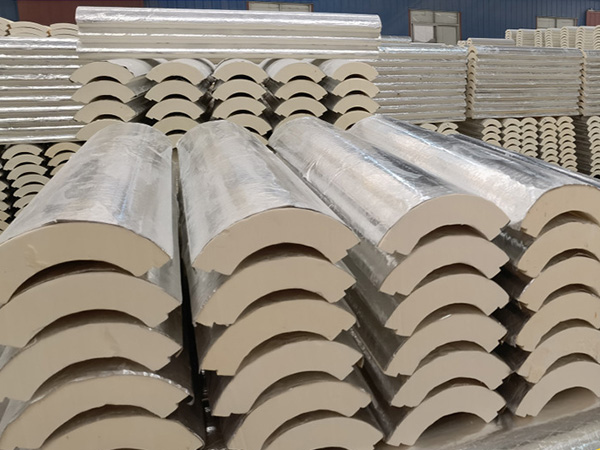
Application of Phenolic Insulation Pipe Sections in Medical Gas Pipelines
1. Critical Performance Requirements
Thermal Stability: Maintains consistent insulation between 2–50°C, ensuring stable gas temperatures for oxygen, nitrous oxide, and vacuum systems.
Fire Safety: Meets NFPA 99 standards with:
Flame spread index ≤25 (ASTM E84)
Non-toxic fume emission (ISO 18562 biocompatibility)
Hygiene Compliance:
Smooth, non-porous surface prevents microbial growth (ISO 14698 cleanroom standards)
Withstands hospital-grade disinfectants (hydrogen peroxide, quaternary ammonium)
2. Installation Advantages
Precision Prefabrication:
Factory-cut elbows and tees ensure airtight joints, critical for maintaining 5.2±0.2 bar oxygen line pressures.
Space Efficiency:
30% thinner than mineral wool at equivalent R-value, enabling compact routing in ceiling voids.
Vibration Damping:
Reduces noise transmission from compressors by 15–20 dB(A).
3. Specialized Medical Applications
MRI Suite Pipelines:
Non-magnetic grades prevent interference with imaging equipment.
Pharmaceutical Grade Nitrogen:
Low outgassing formulations (<0.1% VOC) protect gas purity.
Cryogenic Medical Gas Storage:
Cryo-grade phenolic (λ=0.018 W/m·K at -150°C) for liquid oxygen backup systems.
4. Maintenance & Safety Protocols
Leak Prevention:
Butyl tape-sealed joints tested to 10,000 pressure cycles at 8 bar.
Sterilization Compatibility:
Withstands 134°C autoclaving for reprocessable components.
Emergency Repairs:
Pre-approved patch kits allow FDA-compliant field fixes without system shutdown.
5. Emerging Innovations
Antimicrobial Copper Coatings:
Lab-tested to reduce MRSA contamination by 99% (ISO 22196).
Smart Insulation:
RFID-tagged sections enable digital twin monitoring of insulation integrity.
Compliance Note: All installations must be validated per HTM 02-01 (UK) or ASHE 2018 (US) healthcare engineering standards. For neonatal units, specify formaldehyde-free formulations with third-party indoor air quality certifications.
Pro Tip: In hybrid med-gas/fire suppression systems, use dual-rated phenolic meeting both NFPA 99 and NFPA 13 requirements.
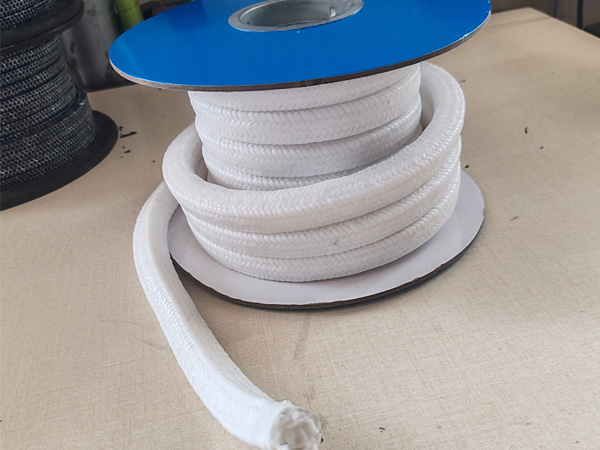
PTFE Packing is a sealing material made from pure polytetrafluoroethylene fibers through a ...
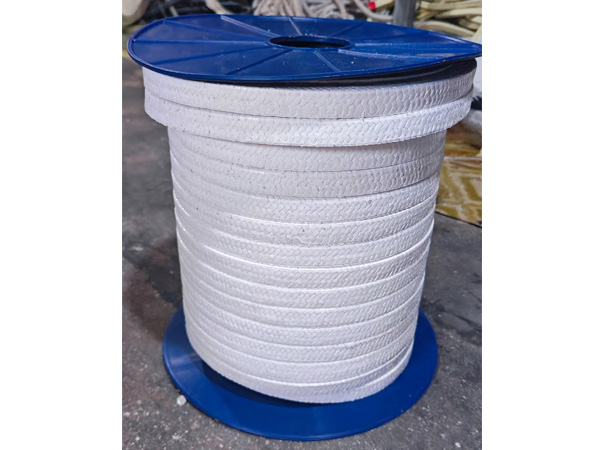
It is made from aramid fibers and black PTFE by a special mixed weaving process. High-stren...
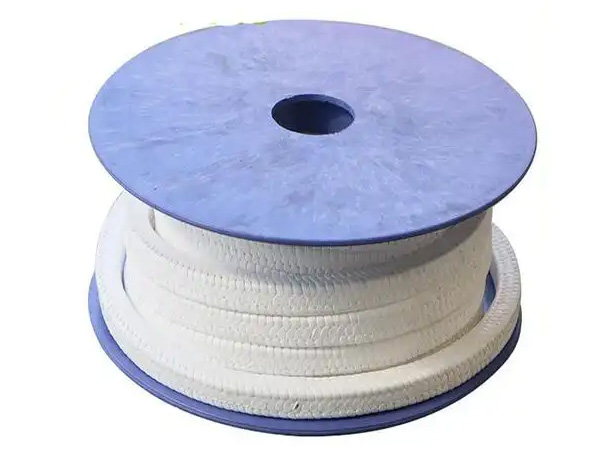
PTFE packing can be classified into aramid blended black PTFE packing, white PTFE packing, ...
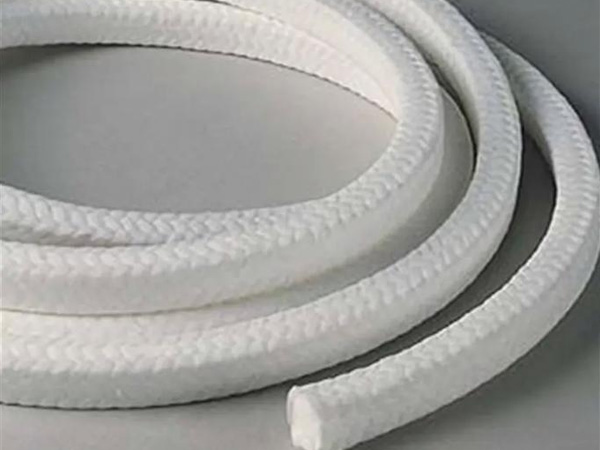
PTFE Packing is a sealing material made from pure polytetrafluoroethylene fibers through a ...