Building Insulation for Energy Efficiency and Sustainable Construction
2026-05-26 20:39:42
Building insulation systems represent the primary mechanism for reducing energy consumption in residential, commercial, and industrial structures by minimizing heat transfer through building envelope assemblies including walls, roofs, floors, and fenestration interfaces. High-performance insulation materials, manufactured by professional thermal insulation suppliers, deliver thermal resistance values that significantly reduce heating and cooling energy demands while contributing to occupant comfort, moisture management, and fire safety objectives. Understanding insulation material properties, building envelope design principles, and energy performance requirements enables architects and building engineers to specify insulation systems that achieve energy efficiency targets while satisfying structural, fire safety, and durability requirements for sustainable building construction.
Thermal Performance and R-Value Optimization
Thermal resistance (R-value) quantifies insulation material ability to resist heat flow, with higher R-values indicating greater insulating effectiveness per unit thickness. Building energy codes (IECC, ASHRAE 90.1, and regional standards) specify minimum R-values for building envelope components based on climate zone, building type, and construction assembly configuration. Achieving required thermal performance while maintaining practical construction thickness drives demand for high-performance insulation materials with low thermal conductivity values that deliver target R-values within available construction depth.
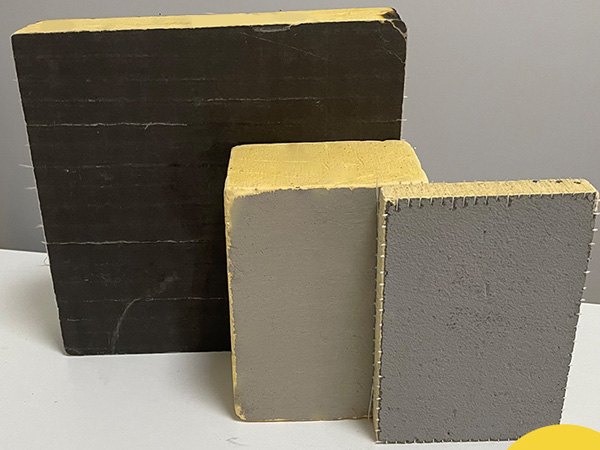
Phenolic insulation boards deliver thermal conductivity values (0.018-0.025 W/m·K) that achieve equivalent thermal resistance in thinner profiles compared to conventional insulation materials, providing space advantages for wall and roof assemblies where construction depth is constrained. Thinner insulation profiles increase usable floor area, reduce cladding material quantities, and simplify detailing at window and door openings where insulation thickness transitions occur. Professional insulation manufacturers provide thermal performance data including aged thermal conductivity values that account for long-term performance stability for accurate building energy modeling.
Continuous Insulation and Thermal Bridge Mitigation
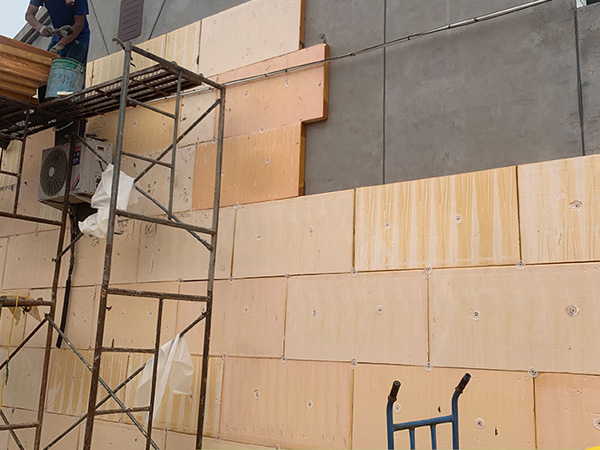
Continuous insulation (ci) systems eliminate thermal bridging through structural framing members that create parallel heat flow paths bypassing cavity insulation, reducing effective wall thermal resistance below nominal values. Steel stud framing creates particularly severe thermal bridging where stud flanges conduct heat through cavity insulation, reducing effective wall R-value by 40-60% compared to nominal cavity insulation R-value. Continuous exterior insulation applied over framing members interrupts thermal bridges, delivering effective wall thermal resistance that approaches nominal insulation R-value.
Phenolic insulation boards provide excellent continuous insulation performance due to high thermal resistance per unit thickness and compatible attachment systems that maintain insulation continuity around structural connections. Mechanical fastener design minimizes insulation penetration at attachment points, with fastener spacing optimized to balance structural attachment requirements against thermal bridging through insulation layer. Leading insulation suppliers provide thermal bridging calculations and detail drawings for common wall and roof assemblies that support energy code compliance documentation.
Moisture Management and Building Durability
Building envelope moisture management requires integrated design of insulation, vapor barriers, air barriers, and drainage planes that prevent moisture accumulation within wall and roof assemblies where it could cause material degradation, mold growth, and thermal performance loss. Insulation material selection influences moisture management strategy, with closed-cell materials (phenolic foam, rubber foam) providing inherent water vapor resistance while open-cell materials require separate vapor barrier systems. Proper positioning of vapor retarders relative to insulation layers prevents interstitial condensation under heating and cooling climate conditions.
Drainage plane design behind exterior cladding provides secondary moisture protection that directs any water penetrating cladding back to exterior, preventing moisture accumulation within insulation layer. Building envelope commissioning verifies that insulation installation quality, air barrier continuity, and vapor retarder positioning conform to design specifications before cladding concealment. Professional insulation suppliers provide building science guidance and detail recommendations for common envelope assemblies that optimize moisture management performance alongside thermal efficiency.
Sustainable Design and Environmental Performance
Sustainable building design incorporates insulation material environmental attributes including embodied energy, recycled content, Global Warming Potential (GWP) of blowing agents, and end-of-life recyclability alongside operational energy performance benefits. Phenolic insulation manufacturing employs blowing agents with low GWP values compared to some alternative foam insulation materials, reducing lifecycle environmental impact. Building rating systems (LEED, BREEAM, Green Star) recognize insulation contributions to energy performance credits and may award additional credits for material environmental attributes.
Life cycle assessment (LCA) evaluates total environmental impact from insulation manufacturing through building service life, demonstrating that energy savings from improved thermal performance far exceed embodied environmental impacts within the first few years of building operation. Environmental Product Declarations (EPD) per ISO 14025 provide standardized environmental performance data that enables insulation material comparison on lifecycle basis. Leading insulation manufacturers provide EPD documentation and sustainability certifications that support green building project requirements and environmental performance reporting.
References
ASHRAE 90.1 - Energy Standard for Buildings Except Low-Rise Residential Buildings
IECC - International Energy Conservation Code
ISO 14025 - Environmental Labels and Declarations - Type III Environmental Declarations
EN 15804 - Sustainability of Construction Works - Environmental Product Declarations
ASTM C518 - Standard Test Method for Steady-State Thermal Transmission Properties
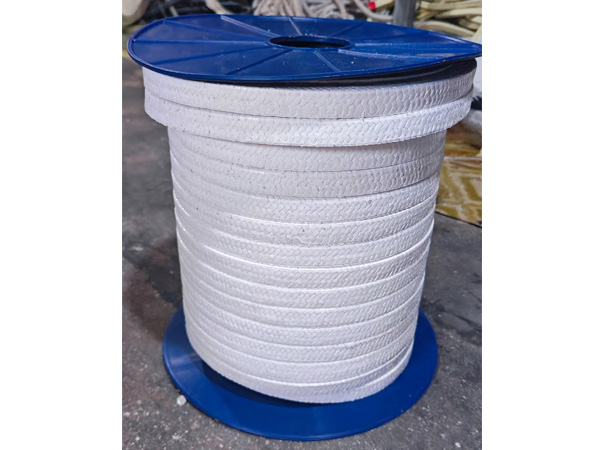
It is made from aramid fibers and black PTFE by a special mixed weaving process. High-stren...
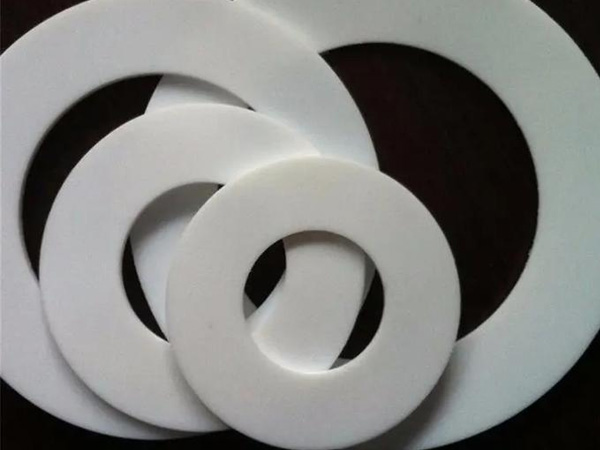
Its multidirectional fibrous structure forms a dense sealing layer under compression, with ...
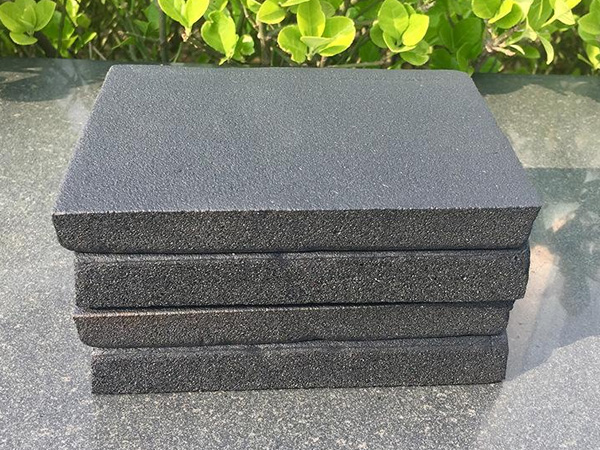
OurFlame Retardant Rubber Foamis a premium closed-cell elastomeric insulation material engi...
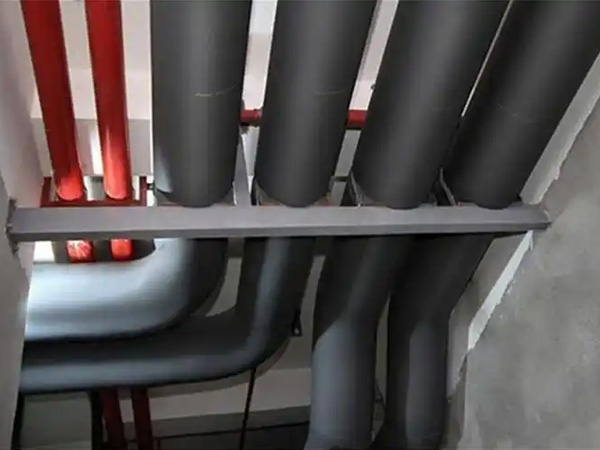
OurRubber Pipe Insulationis a high-performance solution designed specifically for HVAC pipi...