Industrial Pipe Insulation Selection and System Design Guide
2026-05-29 20:41:29
Industrial pipe insulation selection requires systematic evaluation of thermal performance requirements, operating temperature ranges, chemical exposure conditions, mechanical durability demands, and regulatory compliance obligations that collectively determine appropriate insulation material and system design for process piping applications. Professional insulation material suppliers provide diverse product ranges including phenolic foam, rubber foam, mineral wool, calcium silicate, and cellular glass that address specific combinations of performance requirements encountered in chemical plants, petroleum refineries, power generation facilities, and food processing operations. Understanding insulation material characteristics, selection criteria, and system design principles enables process engineers and insulation contractors to specify pipe insulation that delivers reliable thermal performance, personnel protection, and code compliance throughout facility service life.
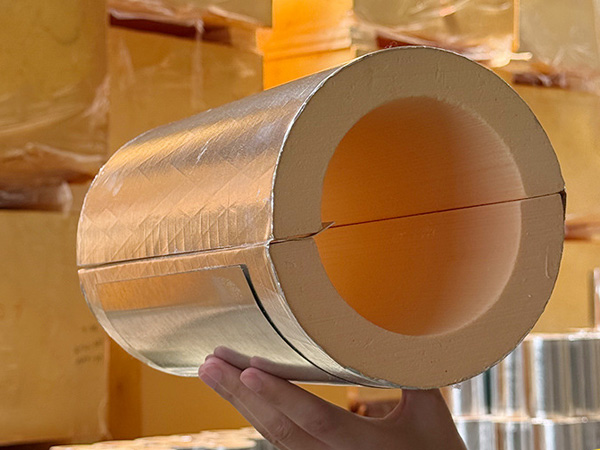
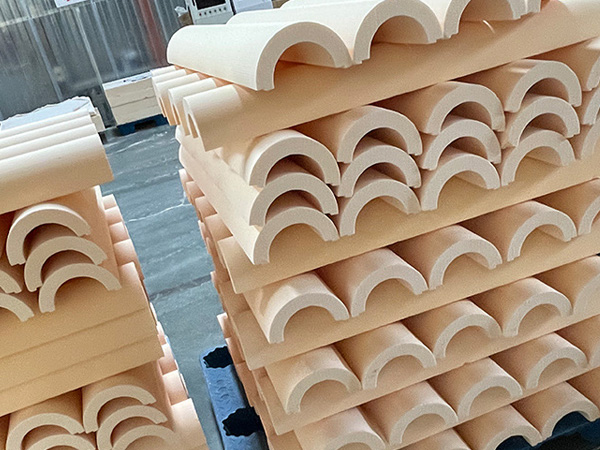
Material Comparison and Temperature Ranges
Industrial pipe insulation materials span temperature ranges from cryogenic (-200°C) through high-temperature (650°C+) applications, with each material offering optimal performance within specific temperature windows. Phenolic foam pipe sections provide excellent thermal efficiency for hot and cold piping applications from -200°C to +120°C, with fire performance advantages (Class A/Class 0) that justify specification in fire-sensitive areas including petrochemical plants, marine vessels, and high-rise building mechanical rooms. Rubber foam insulation covers the -200°C to +105°C range with superior flexibility and condensation control for HVAC and refrigeration piping.
Mineral wool and calcium silicate serve high-temperature applications (up to 650°C) where organic insulation materials cannot survive, providing thermal resistance and fire protection for steam distribution systems, process heating piping, and exhaust gas ductwork. Cellular glass offers universal temperature range capability (-260°C to +480°C) with zero water absorption and chemical resistance suitable for below-ambient piping in chemical and cryogenic service. Professional insulation manufacturers provide comprehensive product range guidance and application-specific recommendations for industrial piping systems.
Personnel Protection and Surface Temperature Limits
Personnel protection insulation prevents burn injuries from contact with hot piping surfaces, with industry standards typically limiting accessible surface temperatures to 52°C (125°F) for continuous contact or 60°C (140°F) for intermittent contact per OSHA guidelines. Insulation thickness for personnel protection requires thermal calculation that determines minimum thickness needed to reduce surface temperature below safety limits under worst-case operating conditions. Insulation jacketing selection (metallic or non-metallic) influences surface temperature through emissivity effects and solar heat gain considerations for outdoor installations.
Cold piping personnel protection addresses frostbite risk from contact with extremely cold surfaces and condensation prevention that eliminates slip hazards from water dripping onto walkways and work platforms. Insulation system design must account for both steady-state operating conditions and transient scenarios including start-up, shutdown, and abnormal operating modes that may produce different surface temperatures than normal operation. Leading insulation suppliers provide surface temperature calculation tools and thickness tables for personnel protection design.
Corrosion Under Insulation Prevention
Corrosion under insulation (CUI) represents a significant integrity threat for carbon steel and low-alloy steel piping operating in temperature ranges (-12°C to +175°C) where moisture can accumulate beneath insulation and corrosion rates accelerate under trapped wet conditions. CUI prevention strategies include insulation material selection with low water retention, effective weather barrier systems that prevent moisture ingress, and protective coating systems on pipe surfaces that resist corrosion under trapped moisture conditions. Closed-cell insulation materials (phenolic foam, rubber foam) inherently resist water absorption that fuels CUI, while fibrous materials require meticulous weather barrier installation to prevent moisture accumulation.
Insulation system design for CUI prevention incorporates drainage provisions at low points, vapor stops at intervals along pipe runs, and inspection access points that enable visual assessment of pipe surface condition without complete insulation removal. Protective coating selection for pipes under insulation includes epoxy phenolic, silicone acrylic, and thermal spray aluminum systems that provide barrier protection under insulation in wet service environments. Professional insulation suppliers provide CUI prevention guidance and compatible system specifications that address both thermal performance and corrosion prevention objectives.
Code Compliance and Testing Standards
Industrial pipe insulation code compliance encompasses fire safety ratings, thermal performance specifications, and occupational safety requirements established by national and international standards organizations. ASTM standards (C534, C1126, C547, C533) define material specifications for elastomeric, phenolic, mineral wool, and calcium silicate insulation products respectively, establishing minimum property requirements for product acceptance. ASHRAE 90.1 and process industry standards (API 686, PIP) specify minimum insulation thickness requirements based on pipe size, operating temperature, and energy conservation objectives.
Fire safety testing per ASTM E84 (surface burning characteristics), NFPA 255, and EN 13501-1 provides classification data for insulation materials installed in areas where fire propagation along pipe insulation could compromise building or facility fire safety. Toxicity and smoke density testing per ASTM E662 provides data for insulation specification in occupied spaces and egress routes where fire safety performance influences life safety outcomes. Leading insulation manufacturers provide comprehensive code compliance documentation and test reports for project specification requirements.
References
ASTM C1126 - Standard Specification for Faced Rigid Cellular Phenolic Thermal Insulation
ASTM C534 - Standard Specification for Preformed Flexible Elastomeric Cellular Thermal Insulation
ASHRAE 90.1 - Energy Standard for Buildings Except Low-Rise Residential Buildings
API 686 - Process Piping - Insulation Design and Installation
NACE SP0198 - Control of Corrosion Under Thermal Insulation and Fireproofing Materials
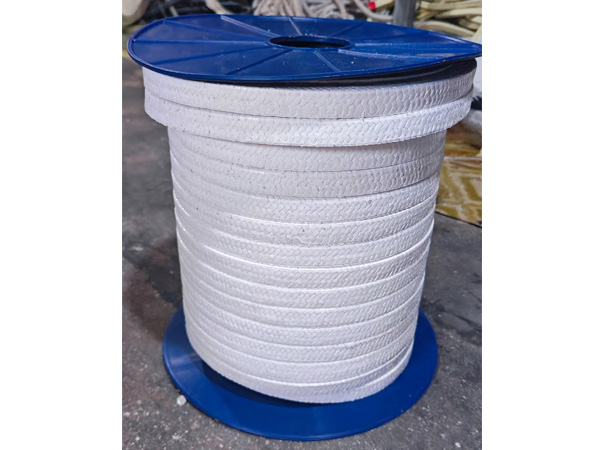
It is made from aramid fibers and black PTFE by a special mixed weaving process. High-stren...
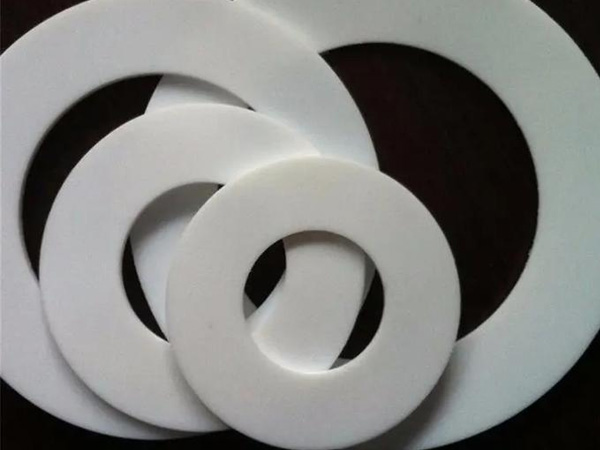
Its multidirectional fibrous structure forms a dense sealing layer under compression, with ...
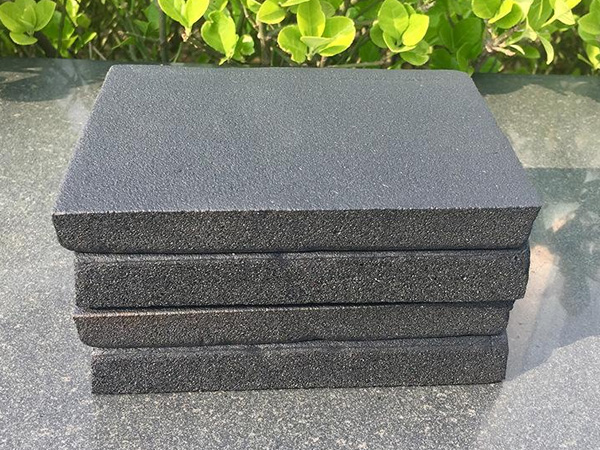
OurFlame Retardant Rubber Foamis a premium closed-cell elastomeric insulation material engi...
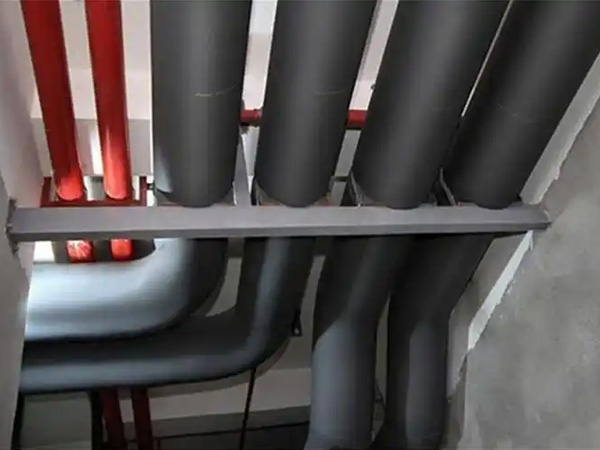
OurRubber Pipe Insulationis a high-performance solution designed specifically for HVAC pipi...