Chemical Resistance Properties of PTFE Gaskets in Harsh Environments
2026-06-13 22:13:34
Why Chemical Resistance Defines PTFE Performance
Few materials in the industrial sealing world can claim the broad chemical compatibility that PTFE offers. This synthetic polymer resists attack from virtually all common industrial chemicals, including strong acids, alkalis, organic solvents, and oxidizing agents that rapidly degrade elastomeric and composite sealing materials. For plant engineers designing systems to handle corrosive media, PTFE gaskets provide a sealing solution that eliminates the need to match different materials to different chemical services across a complex facility.
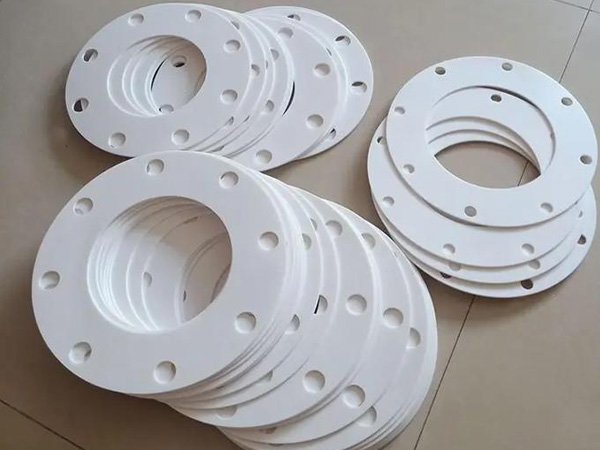
The molecular structure of PTFE contributes directly to its remarkable inertness. The carbon-fluorine bond is one of the strongest in organic chemistry, and the symmetrical arrangement of fluorine atoms around the carbon backbone shields the polymer chains from chemical attack. This structural resilience means PTFE does not swell, crack, or lose mass when exposed to aggressive chemicals over extended periods. A well-manufactured PTFE gasket retains its dimensional stability and sealing effectiveness long after other gasket materials would require replacement.
Industrial chemical processors, pharmaceutical manufacturers, and food companies all depend on this broad compatibility to minimize the number of different sealing materials kept in inventory. One gasket type that handles multiple chemical services reduces complexity in procurement, simplifies maintenance training, and reduces the risk of the wrong material being installed in a critical service. These practical advantages amplify the already compelling technical case for PTFE in corrosive applications.
Performance in Acidic Environments
PTFE gaskets perform exceptionally well in both organic and mineral acids, making them the standard choice for chemical processing equipment handling sulfuric acid, hydrochloric acid, phosphoric acid, and nitric acid across wide concentration ranges. The material shows no observable degradation even after years of continuous exposure to these aggressive media at elevated temperatures. This reliability translates directly into reduced maintenance frequency and fewer unplanned shutdowns caused by gasket failures in acid service.
Hydrofluoric acid, often considered among the most aggressive industrial chemicals, presents a particularly demanding test for sealing materials. PTFE is one of the few polymers that handles hydrofluoric acid without degradation, which explains its prevalence in fluorochemical production, oil refining, and aluminum processing operations where this acid appears in the process stream. Plants handling hydrofluoric acid typically standardize on PTFE gaskets throughout their facilities as a matter of safety policy.
Concentrated sulfuric acid at high temperatures, however, requires additional consideration. While PTFE resists sulfuric acid at room temperature and moderate concentrations, very high concentrations at temperatures approaching the upper limit of PTFE's range may cause surface darkening and some property changes. In such severe service, modified PTFE grades or filled compounds offer improved performance, and an experienced manufacturer can recommend the most appropriate solution based on specific process conditions.
Compatibility With Alkalis and Bases
Alkaline environments present no significant challenge for PTFE gaskets. The material resists sodium hydroxide, potassium hydroxide, and ammonium hydroxide solutions across the full concentration range without any measurable effect on physical properties. This makes PTFE ideal for sealing applications in caustic soda production, soap and detergent manufacturing, pulp and paper processing, and water treatment facilities where alkaline solutions are routinely handled.
Unlike many elastomeric seals that absorb alkaline solutions and swell, PTFE maintains its original dimensions throughout extended service. This dimensional stability ensures consistent bolt loads and reliable sealing performance without the relaxation or compression set problems associated with rubber-based materials in caustic service. Maintenance teams appreciate the predictability of PTFE in these applications, as gasket performance does not vary with solution concentration or temperature fluctuations within the rated range.
Behavior in Organic Solvents and Hydrocarbons
Organic solvents and hydrocarbon fluids are another area where PTFE demonstrates superior performance compared to most alternative sealing materials. Aromatic compounds such as benzene and toluene, aliphatic hydrocarbons including gasoline and diesel fuel, alcohols, ketones, and esters all interact minimally with PTFE. This broad compatibility makes PTFE gaskets suitable for sealing fuel systems, chemical storage tanks, and processing equipment handling mixed solvent streams.
One exception worth noting is that certain highly fluorinated compounds, such as perfluorinated solvents, may cause some swelling or softening of PTFE at elevated temperatures. While the effect is generally reversible once the exposure ends, applications involving these specific media benefit from direct consultation with a manufacturer to confirm suitability and identify any necessary operating adjustments.
The low surface energy of PTFE also contributes to its solvent resistance by preventing most liquids from wetting the material surface effectively. This property, sometimes called non-stick behavior, means that residue does not accumulate on the gasket surface and cleaning procedures are simplified when equipment is taken offline for maintenance. This practical benefit supports faster turnaround during scheduled outages and reduces the labor cost of routine gasket replacement.
Managing Thermal and Mechanical Stress in Chemical Service
Even the most chemically resistant material can fail if it is not properly specified for the mechanical conditions of the application. Chemical resistance alone does not determine gasket performance; the interaction between chemical exposure, temperature, pressure, and mechanical loading must be considered holistically. This is where the expertise of a qualified gasket manufacturer proves invaluable, as they can evaluate all relevant factors and recommend configurations that balance chemical compatibility with mechanical requirements.
In particularly aggressive chemical service, envelope gaskets provide an added layer of protection by surrounding the PTFE sealing element with a metal outer shell. This design prevents direct chemical contact with the PTFE surface in the most severely exposed areas while maintaining the sealing benefits of the PTFE material where it contacts the flange faces. A manufacturer specializing in custom sealing solutions can engineer envelope gaskets to meet the specific dimensional and performance requirements of unusual or demanding applications.
For chemical plants operating under strict environmental regulations, PTFE gaskets offer the additional benefit of minimizing fugitive emissions. The near-perfect sealability of PTFE, combined with its resistance to the chemical attack that causes other gasket materials to leak over time, helps facilities maintain compliance with air quality standards while protecting nearby communities from exposure to hazardous process chemicals.
Conclusion
The chemical resistance of PTFE gaskets sets the standard for industrial sealing in corrosive service. Its ability to handle a vast range of aggressive chemicals, combined with long-term dimensional stability and compatibility with food and pharmaceutical applications, makes PTFE the default choice for any application where chemical compatibility is a concern. Sourcing these products from an established manufacturer ensures that material certifications, quality records, and application engineering support are available when needed most.
References
ASTM International. (2021). ASTM D6423-14: Standard Test Method for Determination of Kathon (TM) Preservative in Aqueous Metalworking Fluids. ASTM International.
Society of Chemical Industry. (2018). SCI Monograph: Corrosion-Resistant Materials in Chemical Process Industries. Wiley-SCI.
National Association of Corrosion Engineers. (2019). NACE SP0188-2017: Discontinuation of Corrosion in Chemical Environments. NACE International.
European Chemicals Agency. (2020). ECHA Guidance on Chemical Safety Reporting and Gasket Material Compatibility. ECHA Publications.
Food and Drug Administration. (2019). FDA 21 CFR 177.1550: Perfluorocarbon Resins Used in Food Contact Applications. FDA.
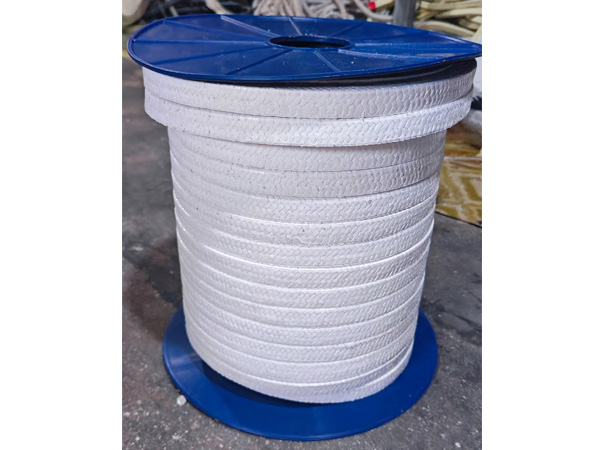
It is made from aramid fibers and black PTFE by a special mixed weaving process. High-stren...
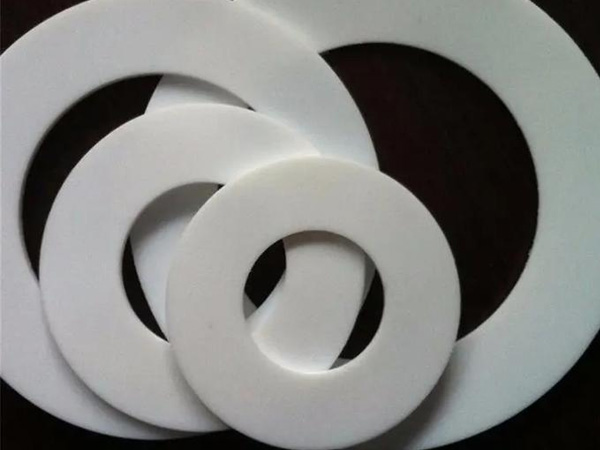
Its multidirectional fibrous structure forms a dense sealing layer under compression, with ...
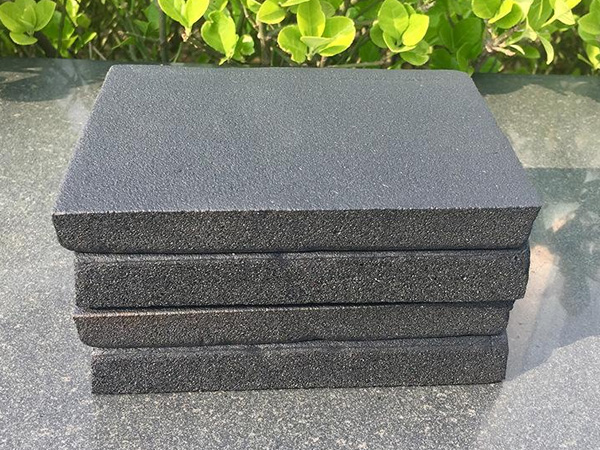
OurFlame Retardant Rubber Foamis a premium closed-cell elastomeric insulation material engi...
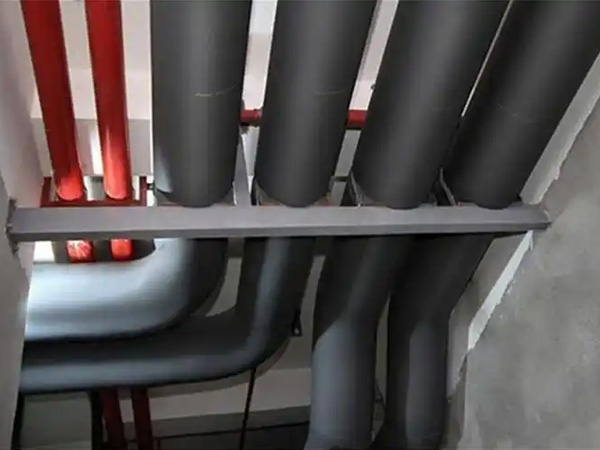
OurRubber Pipe Insulationis a high-performance solution designed specifically for HVAC pipi...