How to Choose the Right PTFE Gasket for Industrial Use
2026-06-10 21:33:32
Specifying the correct PTFE gasket for an industrial application involves more than simply matching the flange dimensions. Process engineers, maintenance planners, and procurement teams must evaluate a range of factors including material grade, thickness, pressure-temperature ratings, and compatibility with the specific media being sealed. A poorly chosen gasket can lead to leaks, unplanned shutdowns, and significant financial losses. This guide walks through the essential considerations for making an informed PTFE gasket selection.
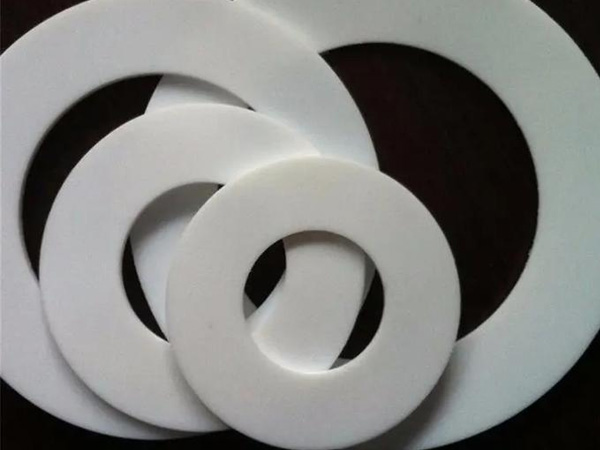
Understand the Operating Conditions
Before selecting any gasket material, the first step is to compile a complete picture of the operating conditions. This includes the internal pressure, operating temperature, and the nature of the fluid or gas being contained. Chemical composition, concentration, and whether the media is abrasive or particulate-laden all influence material choice. Temperature extremes, especially rapid thermal cycling, can place additional stress on the gasket and should be documented carefully. Gathering this data upfront narrows the field of suitable PTFE grades and prevents costly misapplication.
Select the Appropriate PTFE Grade
Not all PTFE gaskets are created equal. Virgin PTFE offers the highest purity and chemical resistance but has limited creep resistance and compressibility. Filled PTFE incorporates reinforcing materials such as glass fiber, carbon, graphite, or bronze to improve mechanical strength, reduce cold flow, and enhance wear resistance. Each filler imparts specific benefits: glass-filled PTFE improves creep resistance for high-pressure service, graphite-filled PTFE enhances thermal conductivity and provides better performance in oxidizing environments, and bronze-filled PTFE adds stiffness for structural applications. Expanded PTFE, manufactured through a controlled stretching process, delivers excellent sealability on damaged or irregular flange surfaces and provides superior stress relaxation resistance compared with virgin PTFE.
Determine the Correct Thickness
Gasket thickness plays a critical role in sealing performance. Thinner gaskets generally require flatter flange surfaces and higher bolt loads but offer lower leak rates and better blowout resistance. Thicker gaskets can accommodate surface irregularities and imperfect flange conditions but may be more susceptible to cold flow and blowout under high pressure. As a starting point, a thickness of 3 millimeters is common for standard PTFE gaskets, but the optimal thickness should be confirmed based on flange class, surface finish, and operating pressure. Experienced gasket suppliers and manufacturers can provide thickness recommendations based on these parameters.
Consider Flange Type and Surface Finish
The type of flange connection significantly influences gasket selection. Raised-face flanges, flat-face flanges, and tongue-and-groove joints each impose different demands on the gasket material. Surface finish, measured in roughness average (Ra), should be matched to the gasket type. Smoother surfaces work well with thinner, less compressible gaskets, while rougher surfaces may require thicker or more conformable materials such as expanded PTFE. Specifying the wrong surface finish for a given gasket can result in inadequate seating and premature leakage.
Evaluate Pressure and Temperature Ratings
Every gasket application should be verified against recognized pressure-temperature ratings. Standards such as ASME B16.20 provide guidance on gasket selection for flanged joints based on pressure class and material. PTFE gaskets are generally limited to lower pressure classes compared with metallic gaskets, but expanded PTFE variants have extended the usable range considerably. When operating near the upper limits of the material, conservative design practices and regular inspection schedules are advisable.
Work with a Reputable Supplier or Manufacturer
The quality and consistency of PTFE gaskets depend heavily on the capabilities of the supplier or factory producing them. A reliable manufacturer maintains strict quality control over raw material sourcing, dimensional tolerances, and production processes. They also offer technical support to help engineers select the correct grade and specification for each application. When sourcing PTFE gaskets, prioritize suppliers with demonstrated experience in industrial sealing, the ability to produce custom sizes and shapes, and a track record of delivering consistent quality on time.
References
ASME, "ASME B16.20 - Metallic Gaskets for Pipe Flanges," American Society of Mechanical Engineers, 2023.
European Sealing Association, "ESA Technical Handbook," European Sealing Association, 2018.
P. J. Blau, "Friction Science and Technology: From Concepts to Applications," CRC Press, 2021.
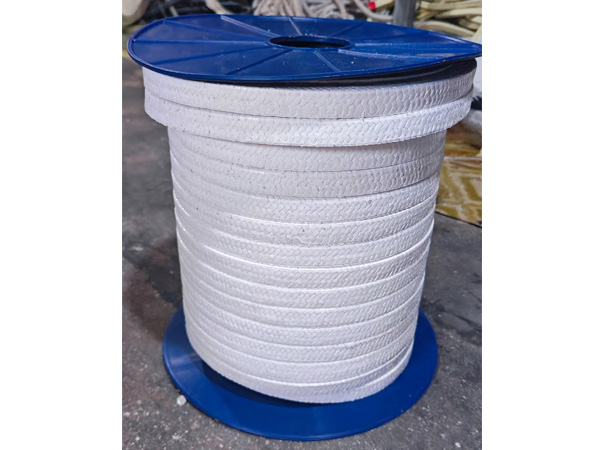
It is made from aramid fibers and black PTFE by a special mixed weaving process. High-stren...

Its multidirectional fibrous structure forms a dense sealing layer under compression, with ...
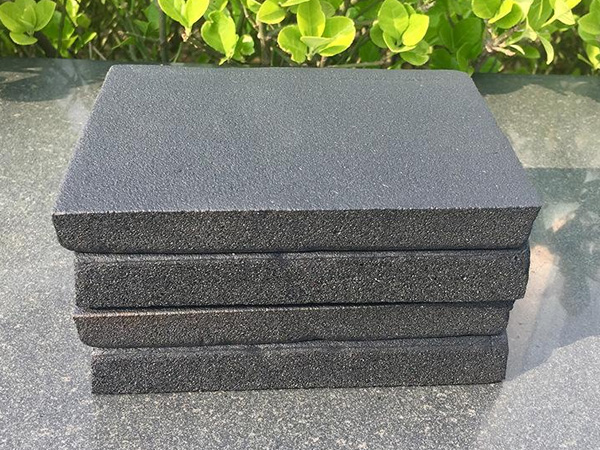
OurFlame Retardant Rubber Foamis a premium closed-cell elastomeric insulation material engi...
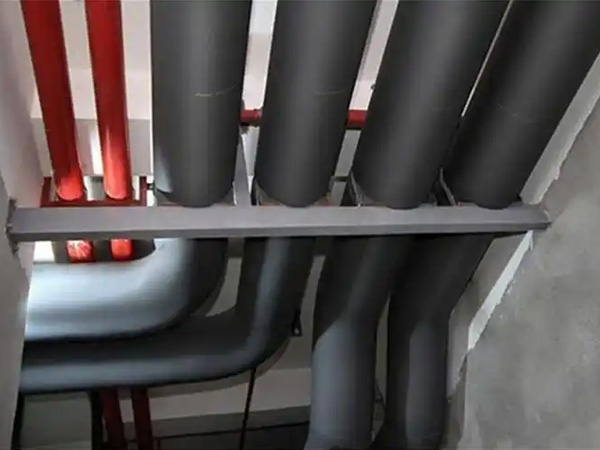
OurRubber Pipe Insulationis a high-performance solution designed specifically for HVAC pipi...