Food-Grade PTFE Gasket: Compliance and Safety Standards
2026-06-07 21:18:00
In food processing, beverage production, and pharmaceutical manufacturing, gasket materials must meet stringent regulatory requirements to ensure that no harmful substances migrate from the sealing component into the product. PTFE is widely used in these industries because of its chemical inertness, non-toxicity, and ability to meet regulatory standards for food contact and pharmaceutical purity. However, not all PTFE materials qualify as food-grade, and buyers must verify that the PTFE gaskets they source meet the applicable compliance requirements. This article examines the key regulatory frameworks, certification processes, and quality considerations for food-grade PTFE gaskets.

FDA Compliance for PTFE
In the United States, the Food and Drug Administration regulates food-contact materials under Title 21 of the Code of Federal Regulations. PTFE used in food-contact gaskets must comply with 21 CFR 177.1550, which establishes specifications for fluoropolymer resins intended for repeated food contact. Compliance requires that the PTFE resin and any processing aids used in its manufacture are listed in the regulation and that the finished product does not exceed permitted extraction limits. Manufacturers of food-grade PTFE gaskets typically maintain FDA compliance documentation, including formulation declarations and extractable testing results, which should be available upon request from the supplier.
European Union Food Contact Regulations
For products sold or used within the European Union, PTFE gaskets must comply with EU Regulation 1935/2004, the overarching framework for materials and articles intended to come into contact with food. Additionally, specific EU measures may apply depending on the type of food and contact conditions. Manufacturers supplying the European market often provide declarations of compliance that confirm the material meets these requirements. CE marking may also be required for certain equipment incorporating food-contact PTFE components.
Pharmaceutical and USP Class VI Requirements
Pharmaceutical manufacturing imposes even stricter requirements on sealing materials than food processing. PTFE gaskets used in pharmaceutical equipment may need to meet USP Class VI testing criteria, which evaluate biological reactivity through a series of in vitro and in vivo tests. USP Class VI certification confirms that the material produces no significant biological response when in contact with body tissues or fluids, a critical requirement for injectable drug manufacturing and bioprocessing. Suppliers serving the pharmaceutical industry typically maintain USP Class VI certifications for their PTFE materials and can provide supporting test reports and batch traceability documentation.
3-A Sanitary Standards
In dairy and food processing equipment, 3-A Sanitary Standards establish design and material requirements that promote cleanability and prevent contamination. Gaskets used in 3-A compliant equipment must be made from materials that are non-toxic, non-absorbent, and resistant to cleaning and sanitizing chemicals. PTFE meets these criteria and is widely accepted in 3-A applications. Gasket design must also comply with 3-A requirements for surface smoothness, dimensions, and installation methods to ensure that no crevices or gaps can harbor bacteria.
Material Traceability and Certification
Food-grade and pharmaceutical-grade PTFE gaskets require strict material traceability. Each batch of PTFE resin should be documented with a certificate of analysis, and the production records for each gasket lot should trace the material back to its source. This traceability is essential for regulatory audits, customer quality audits, and investigations of any quality deviations. Reputable gasket manufacturers and suppliers invest in quality management systems that maintain this traceability throughout the production chain.
Selection and Sourcing Advice
When sourcing food-grade or pharmaceutical-grade PTFE gaskets, buyers should request copies of FDA compliance statements, USP Class VI test reports, and material certificates as part of the procurement process. It is also advisable to verify that the supplier has experience producing gaskets for regulated industries and understands the documentation requirements unique to food and pharmaceutical applications. Partnering with a manufacturer who maintains dedicated clean-room production facilities for hygienic gasket products provides an additional level of assurance that contamination risks are minimized throughout the production process.
References
U.S. Food and Drug Administration, "21 CFR 177.1550 - Perfluorocarbon Resins," FDA, 2022.
European Commission, "Regulation (EC) No 1935/2004 on Materials in Contact with Food," Official Journal of the European Union, 2004.
United States Pharmacopeia, "USP Class VI Plastic Testing," USP, 2023.
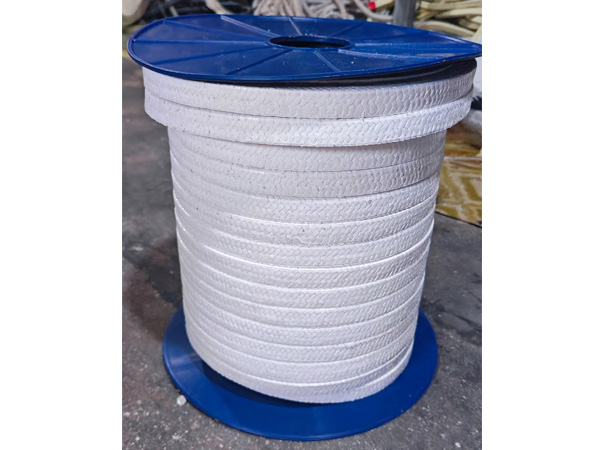
It is made from aramid fibers and black PTFE by a special mixed weaving process. High-stren...

Its multidirectional fibrous structure forms a dense sealing layer under compression, with ...
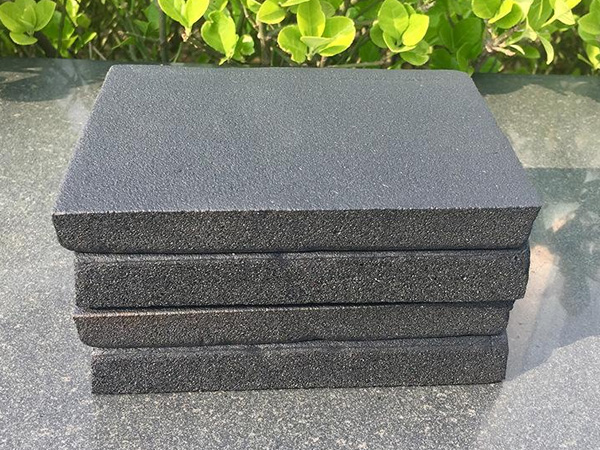
OurFlame Retardant Rubber Foamis a premium closed-cell elastomeric insulation material engi...
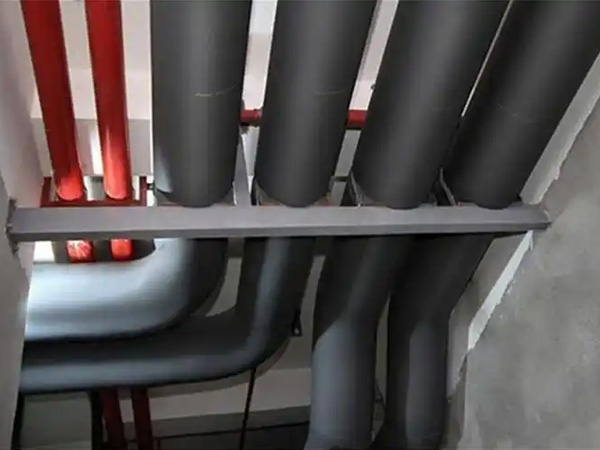
OurRubber Pipe Insulationis a high-performance solution designed specifically for HVAC pipi...