Expanded PTFE Gasket: Benefits and Key Applications
2026-06-04 21:17:00
Expanded PTFE (ePTFE) represents one of the most significant advances in gasket technology over the past several decades. By subjecting PTFE resin to a controlled extrusion and stretching process, manufacturers create a material with a highly fibrillated microstructure that combines the chemical resistance of virgin PTFE with dramatically improved mechanical properties. The result is a gasket material that seals more effectively, resists cold flow, and performs reliably on flange surfaces that would challenge conventional PTFE products. Understanding the advantages of expanded PTFE helps engineers and procurement teams make better-informed sealing decisions.
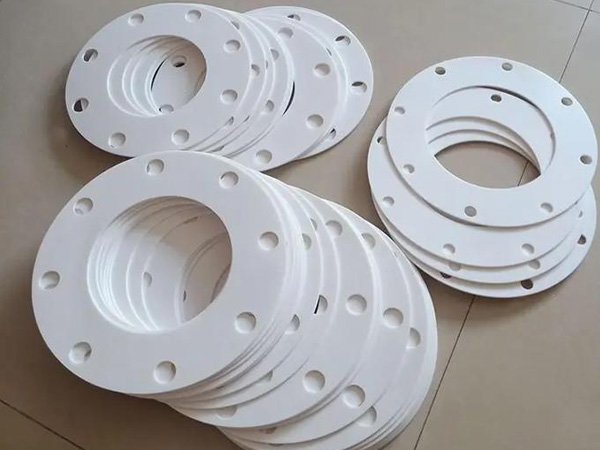
Superior Sealability on Imperfect Flanges
One of the standout features of expanded PTFE gaskets is their ability to create a reliable seal on flanged connections with less-than-ideal surface conditions. The fibrillated structure of ePTFE allows the material to conform readily to surface scratches, nicks, and waviness that would cause leakage with denser gasket materials. In practice, this means that plants can achieve leak-tight seals without investing in costly flange resurfacing or machining. For aging infrastructure where flange surfaces have deteriorated over years of service, expanded PTFE gaskets offer a practical and cost-effective solution.
Outstanding Creep Resistance
Cold flow, or creep, is a well-known limitation of virgin PTFE. Under sustained compressive load, conventional PTFE gradually deforms, leading to a loss of gasket stress and eventual leakage. Expanded PTFE addresses this issue through its unique microstructure, which distributes applied loads across a network of interconnected PTFE nodes and fibrils. This architecture significantly reduces creep compared with virgin PTFE, helping maintain sealing pressure over extended periods. For applications requiring long service intervals between maintenance shutdowns, this creep resistance translates directly into improved reliability and reduced leak risk.
Wide Chemical Compatibility
Like virgin PTFE, expanded PTFE retains the broad chemical resistance that makes fluoropolymer sealing materials so valuable. It performs equally well against strong acids, caustic alkalis, chlorinated solvents, and oxidizing agents. Unlike some filled PTFE grades, where the filler material may be susceptible to chemical attack, expanded PTFE is a homogeneous PTFE structure with no additives that could compromise chemical resistance. This makes it particularly suitable for high-purity applications in the pharmaceutical, food and beverage, and semiconductor industries, where even trace contamination from filler materials is unacceptable.
Low Seating Stress Requirements
Expanded PTFE gaskets seal effectively at relatively low bolt loads compared with many other gasket types. This characteristic is advantageous in applications involving glass-lined equipment, plastic flanges, or lightweight piping systems where excessive bolt stress could damage the flange or connected components. The ability to achieve a reliable seal at lower compressive loads also reduces the risk of flange rotation and distortion during assembly, a common source of alignment problems in complex piping systems.
Temperature and Pressure Range
Expanded PTFE gaskets typically operate within the same temperature range as virgin PTFE, from cryogenic conditions up to approximately 260 degrees Celsius. Pressure ratings vary depending on the specific grade and thickness, but expanded PTFE generally performs well in moderate-pressure applications up to class 300 flange ratings. For higher-pressure service, manufacturers offer reinforced ePTFE variants with embedded or layered reinforcing materials that extend the usable pressure range while preserving the conformability and sealability advantages of the base material.
Industries That Rely on Expanded PTFE Gaskets
The chemical processing industry is the largest consumer of expanded PTFE gaskets, where the combination of chemical resistance and sealability addresses a wide range of aggressive media and challenging flange conditions. Pharmaceutical manufacturers value ePTFE for its purity and ability to meet regulatory requirements for non-contaminating contact surfaces. Food and beverage processors use expanded PTFE in equipment where both chemical inertness and compliance with food safety standards are mandatory. Semiconductor fabrication facilities rely on ePTFE gaskets for ultra-high-purity gas and chemical delivery systems. Across all of these sectors, sourcing expanded PTFE gaskets from an experienced factory or supplier ensures consistent quality and reliable performance.
References
W. L. Gore and Associates, "Gore-Tex Expanded PTFE Technology Overview," W. L. Gore and Associates, 2019.
S. K. Ghosh, "Functional Materials and Electronics," Springer, 2021.
International Sealing Distribution, "Sealing Technology Market Report," ISD, 2022.
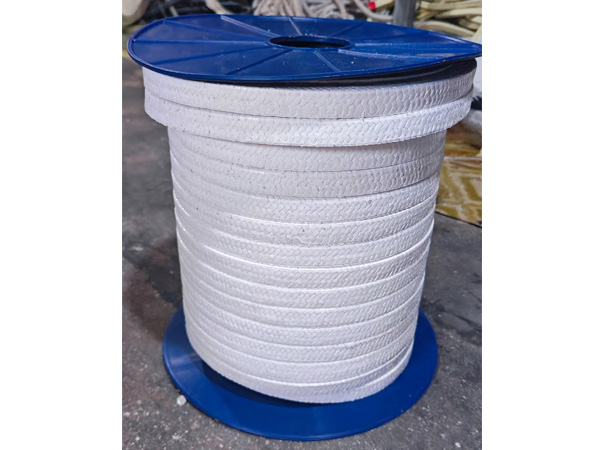
It is made from aramid fibers and black PTFE by a special mixed weaving process. High-stren...
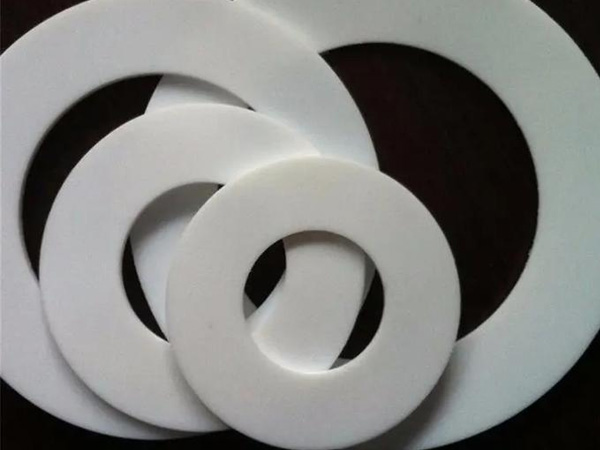
Its multidirectional fibrous structure forms a dense sealing layer under compression, with ...
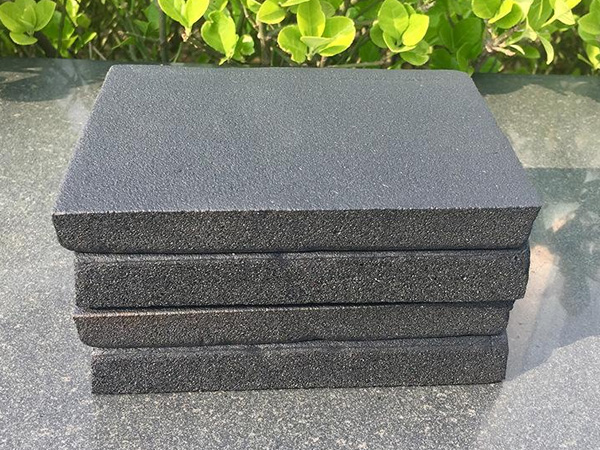
OurFlame Retardant Rubber Foamis a premium closed-cell elastomeric insulation material engi...
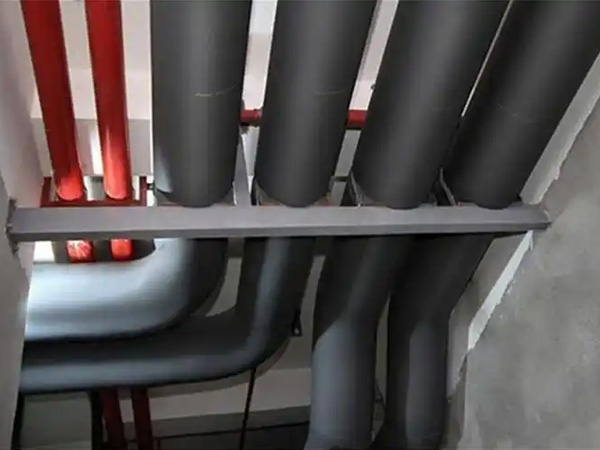
OurRubber Pipe Insulationis a high-performance solution designed specifically for HVAC pipi...