Complete Guide to Roof Insulation Board for Modern Construction
2026-04-20 16:36:22
In modern building engineering, roof performance plays a critical role in overall energy efficiency, indoor comfort, and structural durability. A roof insulation board is one of the most effective solutions for minimizing heat transfer through the building envelope. This guide provides a technical and practical overview of roof insulation boards, including materials, performance principles, applications, installation practices, and long-term benefits in contemporary construction.
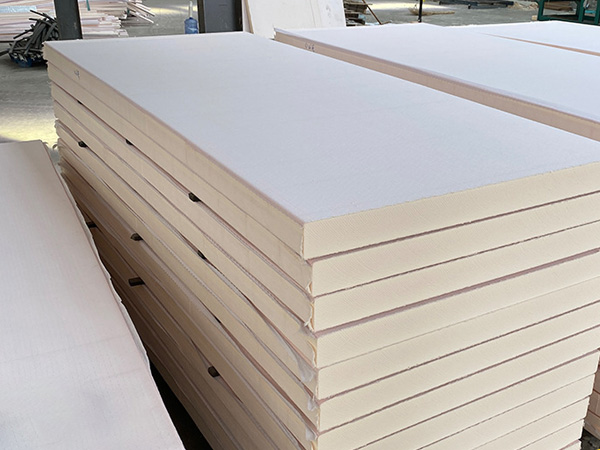
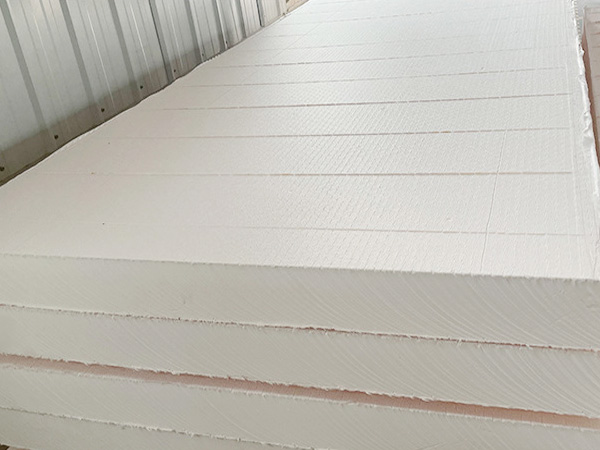
1. Understanding Roof Insulation Board Systems
A roof insulation board is a rigid or semi-rigid thermal insulation material installed beneath or above roofing structures to reduce heat gain and heat loss. It forms a key part of the building envelope, acting as a barrier between external weather conditions and internal indoor spaces.
In modern construction, roof insulation board systems are widely used in residential, commercial, and industrial projects. Their primary function is to improve thermal resistance (R-value), stabilize indoor temperature, and reduce reliance on HVAC systems.
2. Material Types and Performance Characteristics
Roof insulation boards are manufactured from several material types, each with distinct thermal and mechanical properties:
Polyisocyanurate (PIR) / Polyurethane (PU) boards: High thermal resistance and lightweight structure
Expanded Polystyrene (EPS) / Extruded Polystyrene (XPS): Cost-effective and moisture-resistant solutions
Rock wool boards: Excellent fire resistance and acoustic performance
Fiberglass-based boards: Good thermal stability and dimensional control
The selection of a roof insulation board material depends on project requirements such as fire rating, load-bearing capacity, moisture exposure, and energy efficiency targets.
3. Thermal Efficiency and Energy Saving Performance
One of the primary advantages of roof insulation boards is their ability to significantly reduce heat transfer through the roof structure. Since roofs are exposed to direct solar radiation, they are often the largest source of thermal gain in buildings.
By installing a high-performance roof insulation board system, buildings can maintain stable indoor temperatures throughout seasonal changes. This reduces heating and cooling loads, resulting in lower energy consumption and improved building energy ratings.
In large-scale commercial buildings, even a small improvement in roof insulation efficiency can lead to substantial operational cost savings over time.
4. Moisture Resistance and Structural Protection
Roof insulation boards also contribute to moisture control within building systems. Materials such as XPS and closed-cell foam boards provide strong resistance to water absorption, reducing risks of mold growth and structural degradation.
In layered roofing systems, insulation boards help protect waterproof membranes by reducing thermal stress and condensation formation. This improves the long-term durability of the entire roof assembly and minimizes maintenance requirements.
5. Fire Safety and Building Code Compliance
Fire safety is a key consideration in roofing systems. Certain insulation materials, such as rock wool boards, are classified as non-combustible and provide excellent fire resistance performance.
Other foam-based roof insulation board solutions can also meet fire safety standards when treated with flame-retardant additives. Compliance with international building codes (such as ASTM, EN, or ISO standards) ensures that insulation systems meet safety and performance requirements for different construction environments.
6. Installation Methods and Engineering Best Practices
Proper installation is essential to ensure the performance of roof insulation boards. Common installation methods include:
Direct application above roof decking
Installation beneath roofing membranes
Integration within sandwich panel systems
Mechanical fastening or adhesive bonding systems
Engineers must ensure continuous insulation coverage without gaps to prevent thermal bridging. In addition, correct joint sealing and alignment are critical for maintaining system efficiency.
A well-installed roof insulation board system ensures optimal thermal performance and long-term structural reliability.
7. Applications in Modern Construction
Roof insulation boards are widely used across various construction sectors:
Residential housing projects
Commercial office buildings
Industrial warehouses and factories
Cold storage and refrigeration facilities
Institutional buildings such as schools and hospitals
Each application requires specific performance considerations, such as load resistance, fire rating, or acoustic control, depending on environmental and operational conditions.
8. Sustainability and Lifecycle Benefits
Modern construction increasingly emphasizes sustainability and energy efficiency. Roof insulation boards contribute significantly to green building standards by reducing overall energy demand and carbon emissions.
Many insulation materials are recyclable or produced using energy-efficient manufacturing processes. Over the building lifecycle, roof insulation board systems help reduce operational costs while supporting environmental certification programs such as LEED and BREEAM.
9. Cost Efficiency and Long-Term Value
While initial installation costs vary depending on material type and thickness, roof insulation boards provide strong long-term economic benefits. Reduced energy bills, lower maintenance costs, and improved building durability contribute to overall lifecycle savings.
For developers and contractors, investing in high-quality roof insulation systems enhances property value and ensures compliance with modern energy regulations.
Conclusion
Roof insulation boards are an essential component of modern construction, delivering reliable thermal performance, moisture protection, fire safety, and energy efficiency. Their versatility makes them suitable for a wide range of residential, commercial, and industrial applications.
By selecting the appropriate material and ensuring proper installation, builders can maximize system performance and achieve long-term cost and energy savings. In today’s construction industry, roof insulation board systems are not just an option—they are a fundamental requirement for sustainable and high-performance building design.
References
GB/T 7714:State of the art in thermal insulation materials and aims for future developments.
MLA:A review of unconventional sustainable building insulation materials.
APA:Economic and environmental benefits of thermal insulation of building external walls.
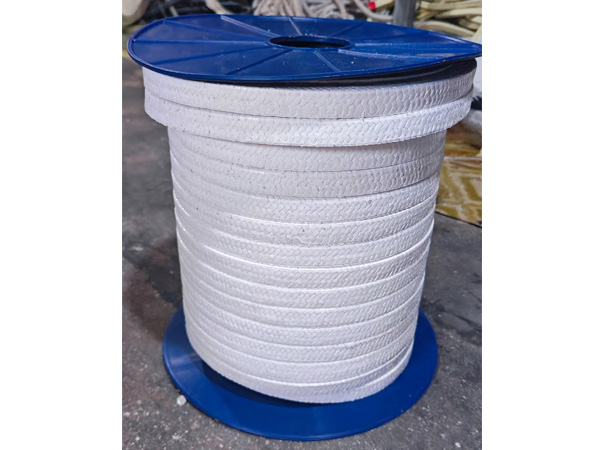
It is made from aramid fibers and black PTFE by a special mixed weaving process. High-stren...
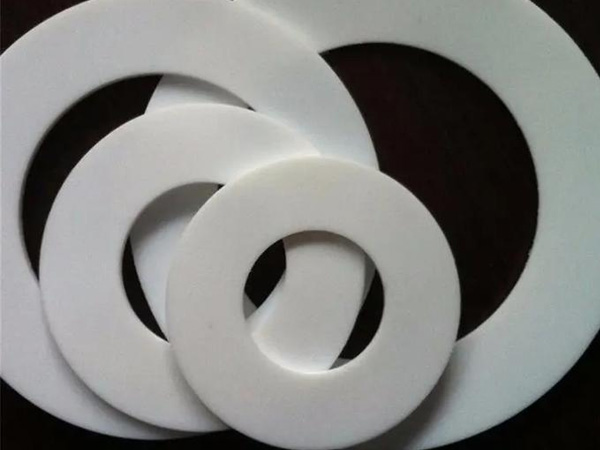
Its multidirectional fibrous structure forms a dense sealing layer under compression, with ...
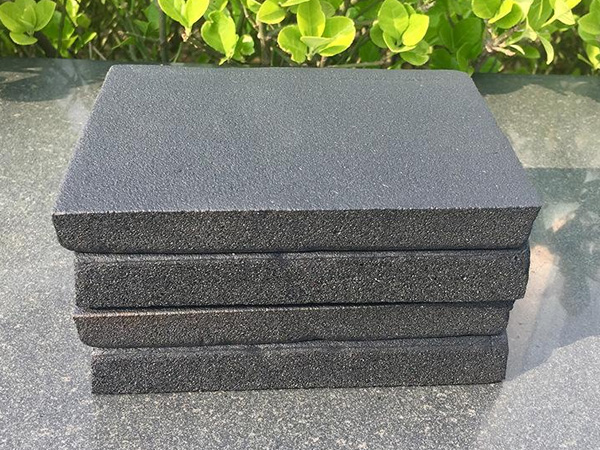
OurFlame Retardant Rubber Foamis a premium closed-cell elastomeric insulation material engi...
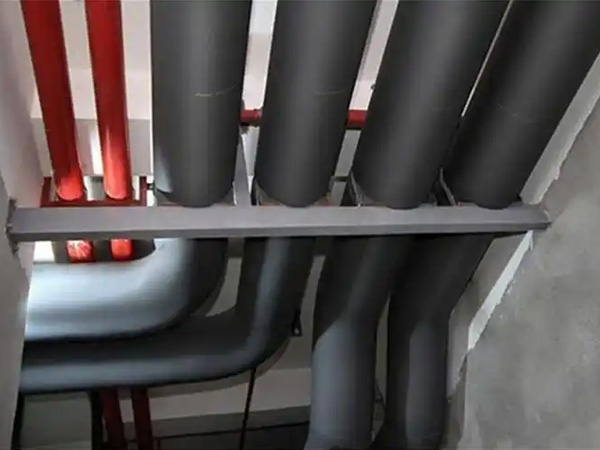
OurRubber Pipe Insulationis a high-performance solution designed specifically for HVAC pipi...