Rock Wool Insulation Board: A Complete Guide to Thermal and Acoustic Performance
2026-04-17 15:58:17
In modern construction, building envelope performance is a key factor influencing energy efficiency, occupant comfort, and regulatory compliance. Among various insulation materials, the rock wool insulation board has become a widely adopted solution due to its excellent thermal resistance, acoustic performance, and fire safety characteristics. This article provides a technical overview of rock wool insulation boards, including material properties, performance mechanisms, applications, and installation considerations.
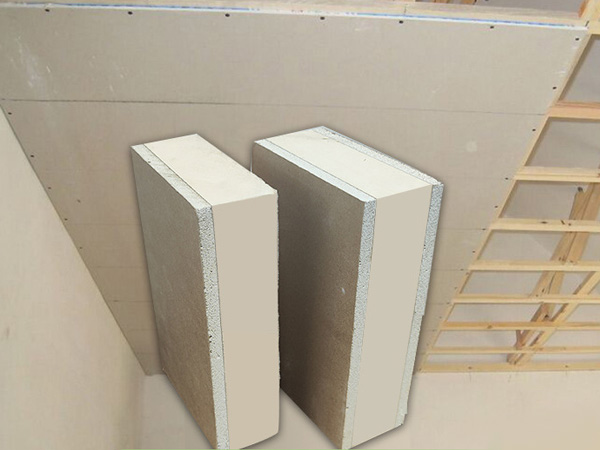
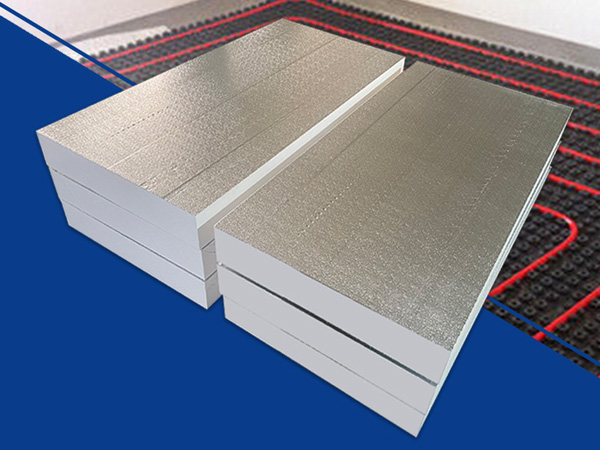
1. What Is a Rock Wool Insulation Board?
A rock wool insulation board is a rigid or semi-rigid insulation product manufactured from natural basalt rock and recycled slag. These raw materials are melted at high temperatures and spun into fine fibers, which are then compressed into boards of varying densities.
Unlike organic foam materials, rock wool insulation boards are non-combustible mineral-based products. Their fibrous structure traps air pockets, significantly reducing heat transfer while also absorbing sound waves. This dual-function performance makes them suitable for both thermal and acoustic insulation systems in buildings.
2. Thermal Performance and Energy Efficiency
The thermal efficiency of rock wool insulation is primarily determined by its low thermal conductivity and stable fiber structure. The trapped air within the fibers reduces conduction and convection heat transfer, helping maintain consistent indoor temperatures.
In building applications, installing a rock wool insulation board system within walls, ceilings, or roofs reduces reliance on HVAC systems. This results in lower energy consumption, improved energy efficiency ratings, and reduced operational costs over the building lifecycle. For both residential and commercial projects, this contributes directly to sustainable building performance.
3. Acoustic Insulation and Noise Control
One of the most significant advantages of rock wool insulation boards is their superior sound absorption capability. The open-fiber structure effectively dissipates sound energy, reducing airborne noise transmission between rooms or building spaces.
This makes rock wool insulation board materials particularly suitable for applications such as offices, hotels, hospitals, schools, and residential apartments where acoustic comfort is essential. Compared with rigid foam insulation, rock wool provides better mid-to-high frequency noise control, improving overall indoor sound quality.
4. Fire Resistance and Safety Performance
Fire safety is a critical requirement in modern building design. Rock wool insulation boards are classified as non-combustible materials, typically capable of withstanding temperatures above 1000°C without melting or releasing toxic gases.
This makes them an essential component in fire-rated wall assemblies and passive fire protection systems. The use of fire-resistant rock wool insulation board enhances building safety by slowing flame spread and maintaining structural integrity during fire exposure, providing valuable evacuation time.
5. Common Applications in Construction
Rock wool insulation boards are highly versatile and used in a wide range of construction applications, including:
·Exterior wall insulation systems (ETICS/EIFS)
·Roof and ceiling thermal insulation
·Partition wall acoustic insulation
·Industrial equipment insulation
·Fire-rated building assemblies
In commercial and industrial environments, rock wool insulation board solutions are often selected for projects requiring strict fire safety standards and long-term durability under harsh operating conditions.
6. Installation Methods and Engineering Considerations
Proper installation is essential to ensure optimal performance. Rock wool boards should be installed tightly without gaps to prevent thermal bridging and acoustic leakage. Depending on the application, they can be mechanically fixed, adhered with specialized adhesives, or installed within framing systems.
During installation, compression should be avoided, as it may reduce the material’s thickness and compromise insulation performance. Engineers typically design insulation layers based on required thermal resistance (R-value) and acoustic targets, ensuring the rock wool insulation board system meets project specifications.
7. Durability, Moisture Resistance, and Sustainability
Rock wool insulation boards offer strong dimensional stability and long service life under normal building conditions. They are resistant to moisture absorption, mold growth, and biological degradation when properly installed.
From a sustainability perspective, rock wool is often produced using recycled materials and is fully recyclable at the end of its lifecycle. This aligns with modern green building standards and supports LEED and other environmental certification systems, making it a preferred choice for sustainable construction projects.
8. Cost-Effectiveness and Lifecycle Value
Although rock wool insulation boards may have a higher initial cost compared to some foam-based alternatives, their long-term value is significantly higher. Reduced energy consumption, improved fire safety, and minimal maintenance requirements contribute to lower lifecycle costs.
For developers and contractors, investing in high-performance rock wool insulation board systems can improve building compliance, enhance market value, and reduce long-term operational expenses.
Conclusion
Rock wool insulation boards provide a balanced combination of thermal insulation, acoustic control, and fire resistance, making them one of the most reliable materials in modern construction. Their versatility allows them to be used across residential, commercial, and industrial applications, meeting diverse engineering requirements.
By selecting the appropriate density, thickness, and installation method, designers and builders can fully leverage the performance advantages of rock wool insulation systems, achieving safer, quieter, and more energy-efficient buildings.
References
GB/T 7714:State of the art in thermal insulation materials and aims for future developments.
MLA:A review of unconventional sustainable building insulation materials.
APA:Economic and environmental benefits of thermal insulation of building external walls.
It is made from aramid fibers and black PTFE by a special mixed weaving process. High-stren...
Its multidirectional fibrous structure forms a dense sealing layer under compression, with ...
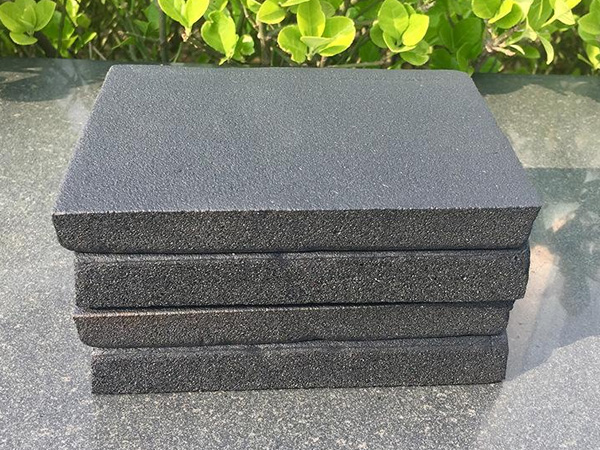
OurFlame Retardant Rubber Foamis a premium closed-cell elastomeric insulation material engi...
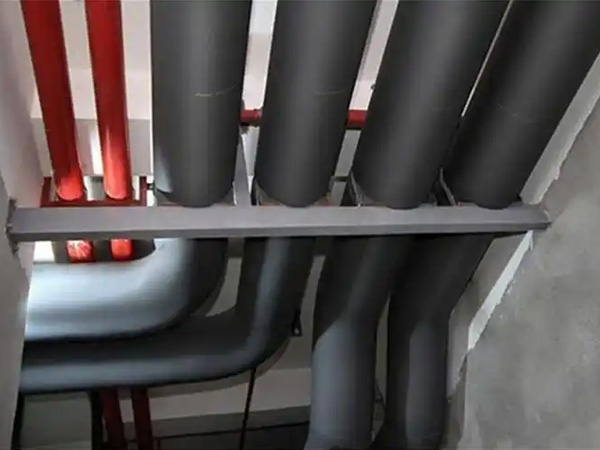
OurRubber Pipe Insulationis a high-performance solution designed specifically for HVAC pipi...