Complete Guide to Choosing the Right PTFE Gasket for Your Application
2026-06-16 23:21:55
Why Correct Gasket Selection Matters
Choosing the right PTFE gasket is far more complex than simply picking a material that resists chemicals. A poorly selected gasket can lead to leaks that compromise safety, trigger environmental violations, and cost thousands of dollars in unplanned downtime. Conversely, an over-specified gasket adds unnecessary expense without delivering any additional performance benefit. Understanding the key selection criteria helps buyers make informed decisions that balance reliability, safety, and cost effectiveness.
The selection process begins with a thorough assessment of the operating environment. Temperature extremes, chemical exposure profiles, pressure conditions, and flange surface finish all influence which gasket configuration will perform best. An expert supplier takes the time to understand these parameters before recommending a specific product, rather than simply pointing customers toward the most expensive option available.
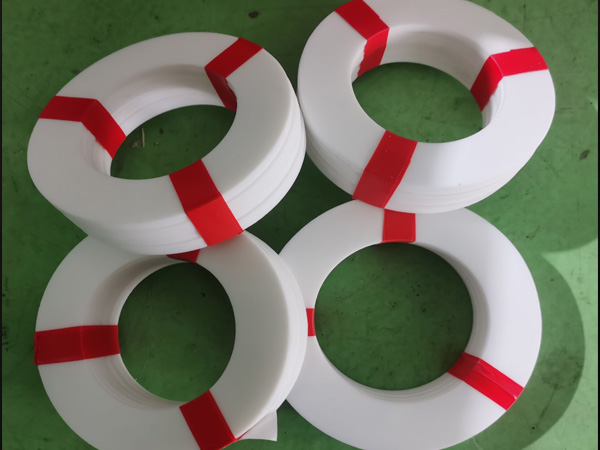
Evaluating Temperature and Pressure Conditions
Temperature directly affects the mechanical properties of PTFE and determines whether it remains suitable for the intended service. Virgin PTFE performs reliably across a range from cryogenic temperatures up to approximately 260 degrees Celsius in continuous service. However, at elevated temperatures, the material becomes more susceptible to creep and cold flow, particularly when under constant bolt load. For high-temperature applications approaching the upper limit, filled PTFE grades offer improved resistance to deformation while maintaining the core benefits of the base material.
Pressure ratings must be assessed alongside temperature, as these two factors interact in ways that can dramatically affect gasket performance. A gasket rated for 1000 PSI at room temperature may be entirely unsuitable for the same pressure at 200 degrees Celsius. Industry standards published by organizations such as ASME provide pressure-temperature charts that guide engineers toward safe operating boundaries for different material classes. Reputable manufacturers publish these charts for their product lines, enabling buyers to verify compliance with applicable codes before installation.
Flange pressure class, typically designated by ratings such as 150, 300, 600, or higher, also dictates gasket thickness and configuration requirements. Higher pressure systems demand thinner, denser gaskets that resist extrusion under extreme loading. Understanding this relationship prevents the common mistake of selecting a gasket that appears adequate based on chemical compatibility alone but fails mechanically under actual service conditions.
Understanding PTFE Material Grades
Virgin PTFE contains no fillers and offers the purest expression of the material's natural properties: maximum chemical resistance, the lowest coefficient of friction, and excellent dielectric performance. This grade is preferred in applications involving ultra-pure media, pharmaceuticals, and food processing where any contamination from filler materials must be avoided. A quality factory producing virgin PTFE gaskets maintains rigorous material certifications that trace each batch back to its source resin.
Filled PTFE grades incorporate additives such as glass fiber, carbon, or graphite to enhance specific mechanical properties. Glass-filled PTFE improves compressive strength and reduces creep, making it suitable for applications involving high bolt loads or cyclic thermal loading. Carbon-filled variants offer superior thermal conductivity and resistance to wear, while graphite-filled grades excel in steam and high-temperature oil service. Selecting the appropriate filler system requires matching the enhancement properties to the specific demands of the application.
Expanded PTFE, produced through a unique manufacturing process that creates a highly fibrilated microstructure, offers superior sealability compared to conventional skived sheet materials. This grade compresses easily to conform to irregular flange surfaces, making it ideal for retrofit applications where flange condition is uncertain. Many maintenance teams keep expanded PTFE gaskets in stock specifically for emergency repairs on aging equipment where bolt loads may be suboptimal.
Sizing and Configuration Considerations
Proper sizing ensures the gasket covers sufficient flange face area to develop adequate sealing stress without encroaching on bolt holes or the bore of the pipe. Inner and outer diameters must account for the pressure forces that act on the gasket during operation, and sizing charts provided by manufacturers and industry standards bodies offer clear guidance for most common applications.
Gasket thickness affects both sealability and bolt load requirements. Thinner gaskets generally require higher seating stress to achieve a reliable seal but resist extrusion better under high pressure. Thicker gaskets compress more easily and accommodate flange imperfections but may not provide sufficient compressive strength for high-pressure service. An experienced supplier helps customers navigate these trade-offs based on the actual conditions they will face.
Configuration options extend beyond simple flat gaskets to include spiral wound, camprofile, and envelope designs, each offering specific advantages for particular service conditions. Spiral wound gaskets combine alternating layers of PTFE and metal to handle higher pressures and temperatures simultaneously. Envelope gaskets, featuring a metal outer shell with a PTFE inner sealing surface, protect the seal from direct media contact in severe service applications.
Verifying Quality and Compliance
Before finalizing a purchase, buyers should verify that the selected gasket meets relevant industry standards and carries appropriate certifications for the intended service. Test reports documenting properties such as tensile strength, elongation, and compressive stress resistance provide objective evidence of material quality. For applications in regulated industries, certificates of compliance with standards such as FDA food contact requirements or ASTM specifications may be mandatory.
Working directly with a manufacturer rather than a distributor offers advantages in quality assurance and traceability. A factory with established quality management systems can provide consistent product performance batch after batch, while also offering customization options that catalog-only suppliers cannot match. The investment in building a relationship with a capable manufacturer pays dividends in reduced failures, faster response to unusual requirements, and access to technical expertise throughout the product lifecycle.
Conclusion
Selecting the right PTFE gasket requires careful analysis of operating conditions, material properties, and performance requirements. By understanding the relationship between temperature, pressure, material grade, and configuration, buyers can choose gaskets that deliver reliable, long-lasting seals without over-specification. Partnering with a knowledgeable and experienced supplier simplifies this process and ensures that technical recommendations are based on genuine application expertise rather than sales considerations.
References
American Society of Mechanical Engineers. (2015). ASME B16.20-2012: Metallic Gaskets for Pipe Flanges — Ring Joint, Spiral-Wound, and Jacketed. ASME.
American Society of Mechanical Engineers. (2017). ASME PCC-1-2017: Guidelines for Pressure Boundary Bolted Flange Joint Assembly. ASME.
European Sealing Association. (2018). Sealing Technology Handbook: Selection, Installation, and Performance. ESA Publications.
ASTM International. (2020). ASTM D1710-15: Standard Specification for Extruded and Compression Molded Polytetrafluoroethylene (PTFE) Rod and Heavy-Walled Tubing. ASTM International.
Fluid Sealing Association. (2021). FSA-FF-101: Gasket Performance Data and Application Guidelines. Fluid Sealing Association.
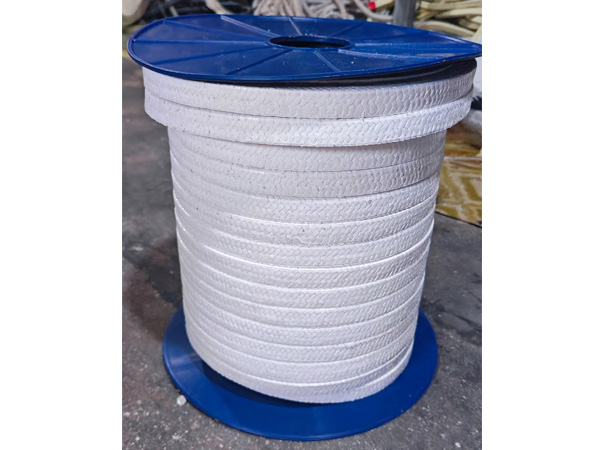
It is made from aramid fibers and black PTFE by a special mixed weaving process. High-stren...
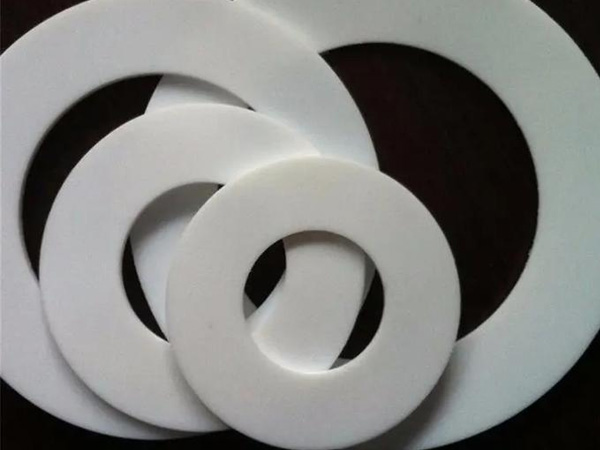
Its multidirectional fibrous structure forms a dense sealing layer under compression, with ...
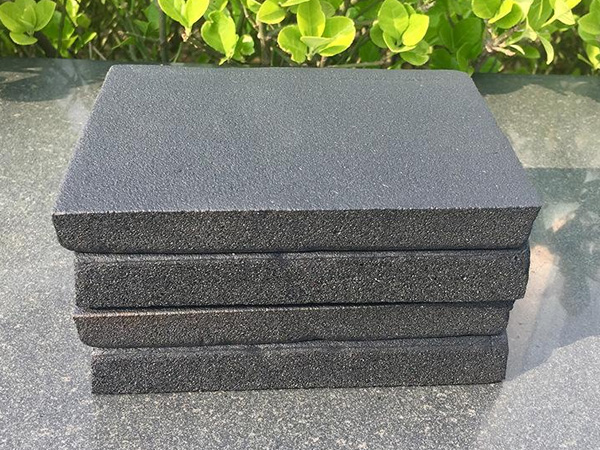
OurFlame Retardant Rubber Foamis a premium closed-cell elastomeric insulation material engi...
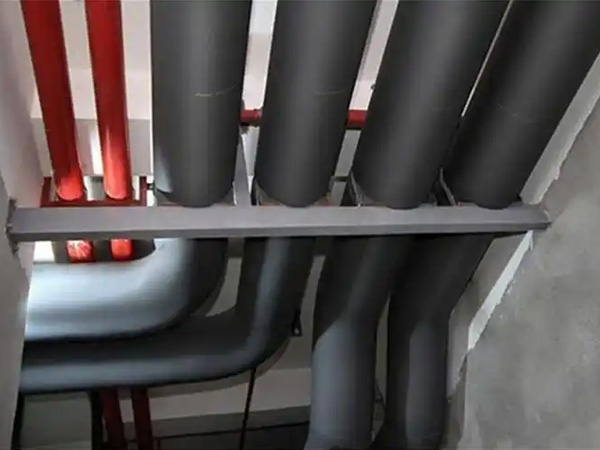
OurRubber Pipe Insulationis a high-performance solution designed specifically for HVAC pipi...