High-Performance PTFE Gaskets for Chemical Processing and Industrial Sealing
2026-05-11 18:53:05
In sectors where harsh chemicals, extreme temperature fluctuations, and rigorous safety protocols are part of everyday operations, reliable sealing is non-negotiable. Even a tiny leak can result in expensive production halts, environmental risks, or serious safety accidents. For this reason, high-performance PTFE gaskets have emerged as the go-to sealing option for chemical processing plants and industrial systems worldwide. Crafted to endure the most severe working conditions, PTFE gaskets offer exceptional durability, robust chemical resistance, and long-lasting sealing stability—qualities that make them essential in modern industrial settings.
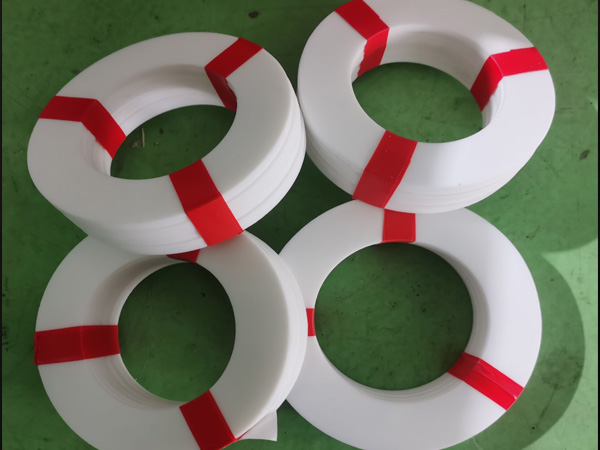
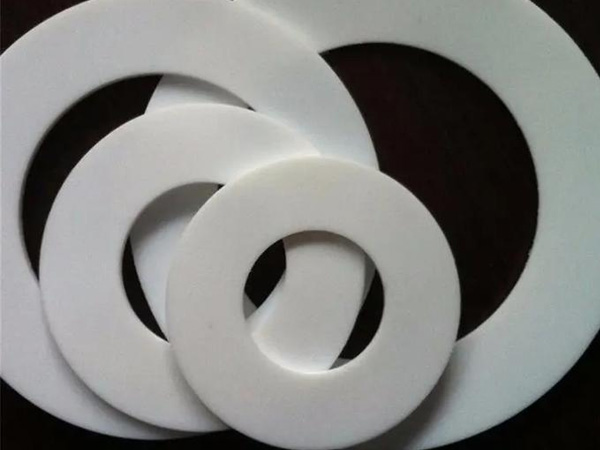
What Sets High-Performance PTFE Gaskets Apart?
PTFE (Polytetrafluoroethylene) is a fluoropolymer distinguished by its unique molecular structure, which grants it exceptional resistance to heat, chemicals, and mechanical strain. High-performance PTFE gaskets are designed to amplify these inherent properties through cutting-edge manufacturing techniques and material enhancements. The key traits that define high-performance PTFE gaskets include:
Enhanced resistance to creep deformation
Better compressibility and recovery capabilities
Superior sealing performance under low bolt pressure
Consistent stability in highly corrosive chemical environments
Extended service life in operational settings
These characteristics guarantee dependable performance even in the most challenging industrial scenarios.
Key Material Properties of PTFE Gaskets
1. Exceptional Chemical Resistance
PTFE is nearly inert when exposed to almost all industrial chemicals, including strong acids, alkalis, solvents, and oxidizing agents. This makes PTFE gaskets perfect for use in highly corrosive chemical processing systems.
2. Broad Operating Temperature Range
High-performance PTFE gaskets can operate effectively across a temperature spectrum from -200°C to +260°C, maintaining their structural integrity in both cryogenic (ultra-low temperature) and high-temperature environments.
3. Low Friction and Anti-Adhesive Surface
The non-stick surface of PTFE reduces adhesion to flange faces, facilitating easy installation and removal while minimizing the risk of surface damage to flanges.
4. Excellent Sealing Conformability
PTFE gaskets can adapt to irregular or worn flange surfaces, ensuring tight, leak-free seals even when bolt loads are low or uneven.
5. Non-Toxic and High Purity
PTFE is non-contaminating, making it suitable for applications that require strict hygiene standards, such as pharmaceutical manufacturing and food processing.
Types of High-Performance PTFE Gaskets
Various types of PTFE gaskets are engineered to meet the specific needs of different industrial applications:
Virgin PTFE Gaskets
Made from pure PTFE resin, these gaskets provide maximum chemical resistance and are ideal for high-purity applications where contamination must be avoided.
Filled PTFE Gaskets
By incorporating fillers like glass fiber, carbon, or graphite, these gaskets gain improved mechanical strength, wear resistance, and dimensional stability—especially useful in high-pressure environments.
Expanded PTFE (ePTFE) Gaskets
Featuring a micro-porous structure, these gaskets offer enhanced flexibility and sealing performance, particularly on uneven or damaged flange surfaces.
Modified PTFE Gaskets
Advanced formulations combine PTFE with proprietary additives to reduce creep relaxation and improve load retention over extended periods of use.
Applications in Chemical Processing
Chemical processing environments require sealing materials that can withstand constant exposure to aggressive substances. PTFE gaskets perform exceptionally well in the following applications:
Acid and alkali handling systems
Chemical reactors and storage vessels
Pipeline and flange connections
Storage tanks and transfer systems
Pump and valve sealing applications
Their non-reactive nature ensures the integrity of the system and prevents contamination—critical factors in sensitive chemical operations.
Industrial Sealing Applications Beyond Chemical Processing
High-performance PTFE gaskets are widely used across various industrial sectors beyond chemical processing:
Oil and Gas Industry
They are used in refineries and offshore platforms, where high pressure, temperature variations, and corrosive substances are common challenges.
Pharmaceutical Industry
Ideal for cleanroom environments, PTFE gaskets meet strict regulatory standards and maintain the high purity required for pharmaceutical production.
Food and Beverage Industry
PTFE gaskets are suitable for hygienic processing systems, ensuring product safety and compliance with food-grade regulations.
Power Generation
Commonly used in steam systems, heat exchangers, and high-temperature pipelines within power plants.
Water Treatment
Effective in systems exposed to chlorine, solvents, and other water treatment chemicals.
Advantages of Choosing High-Performance PTFE Gaskets
Opting for PTFE gaskets offers several long-term benefits for industrial operations:
Leak-free sealing even in aggressive environments
Extended service life, reducing the frequency of replacements
Lower maintenance costs and reduced downtime
Compatibility with a wide range of industrial chemicals
Excellent adaptability to changing pressure and temperature conditions
Despite a higher initial cost, these advantages make PTFE gaskets a cost-effective solution in the long run.
Challenges and Corresponding Solutions
While PTFE gaskets deliver exceptional performance, they do present certain challenges—each with practical solutions:
Creep and Cold Flow
Challenge: PTFE may undergo deformation over time when subjected to continuous load. Solution: Utilize filled or modified PTFE materials to enhance dimensional stability and reduce creep.
Lower Mechanical Strength
Challenge: Compared to metal gaskets, PTFE is relatively soft. Solution: Reinforced PTFE or composite designs boost strength and durability for demanding applications.
Higher Initial Cost
Challenge: PTFE gaskets can be more expensive than traditional sealing materials. Solution: Their long service life and reduced maintenance needs often lead to a lower total cost of ownership over time.
Tips for Selecting the Right PTFE Gasket
To achieve optimal sealing performance, consider the following factors when selecting a PTFE gasket:
Chemical compatibility with the process media being handled
Operating temperature and pressure conditions of the system
Flange surface condition and required bolt load
Relevant industry standards and certifications
Type of PTFE material (virgin, filled, expanded, or modified)
Proper selection ensures reliable sealing and long-term operational efficiency.
Conclusion
High-performance PTFE gaskets are a critical component in chemical processing and industrial sealing applications. Their unmatched chemical resistance, wide temperature tolerance, and reliable sealing capabilities make them the top choice for demanding industrial environments. As industries continue to prioritize safety, efficiency, and durability, PTFE gaskets remain at the forefront of advanced sealing technology—delivering consistent, trustworthy performance where it matters most.
References
GB/T 7714:Performance Evaluation of High-Performance PTFE Gaskets in Corrosive Industrial Environments. Journal of Industrial Sealing Technology
MLA:Material Modifications and Manufacturing Techniques for Enhanced PTFE Gasket Performance. Chemical Engineering Journal
APA:Creep Resistance Improvement of PTFE Gaskets Through Filler Modification. Journal of Materials Science and Engineering
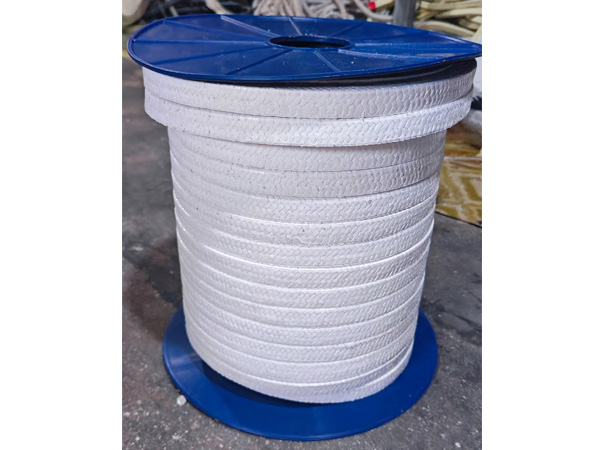
It is made from aramid fibers and black PTFE by a special mixed weaving process. High-stren...
Its multidirectional fibrous structure forms a dense sealing layer under compression, with ...
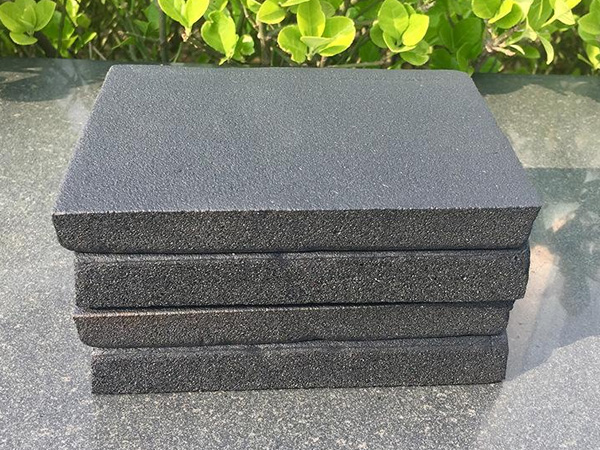
OurFlame Retardant Rubber Foamis a premium closed-cell elastomeric insulation material engi...
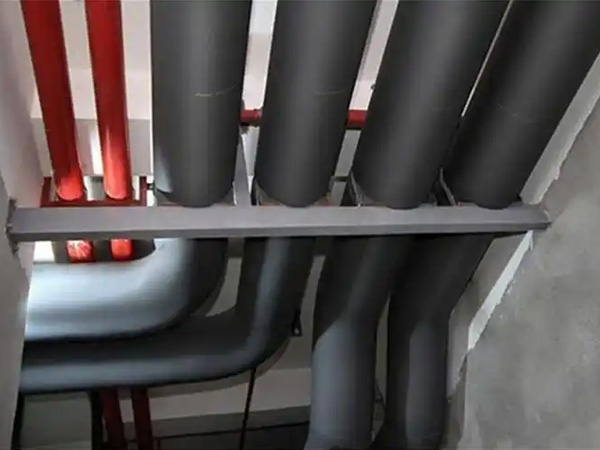
OurRubber Pipe Insulationis a high-performance solution designed specifically for HVAC pipi...