PTFE Gasket: Properties, Advantages, and Industrial Applications
2026-05-08 18:30:12
In contemporary industrial sealing systems, the performance of sealing materials exerts a direct influence on operational safety, work efficiency, and maintenance expenditures. Among all types of gasket materials available today, PTFE gaskets—also known as Polytetrafluoroethylene gaskets—distinguish themselves with their superior chemical resistance, stable temperature adaptability, and extended service life. They are extensively adopted in industrial fields where traditional sealing materials tend to fail under severe operating conditions. This article delves into the core properties, unique advantages, and wide-ranging industrial applications of PTFE gaskets, helping readers gain a clear understanding of why they have become the preferred sealing solution in high-demand working environments.
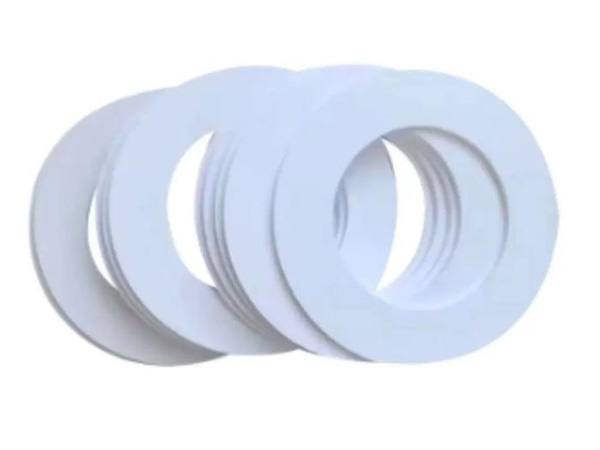
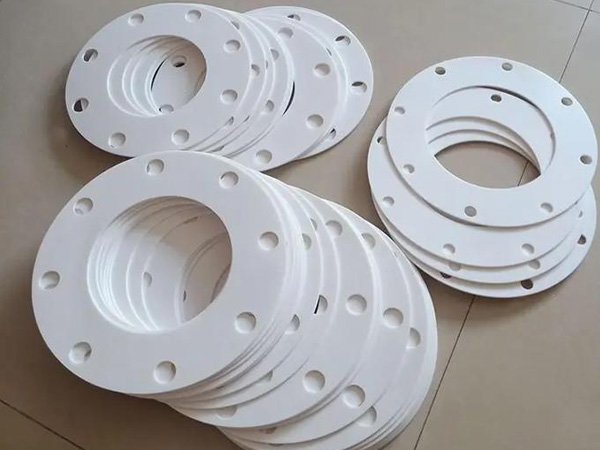
What Is a PTFE Gasket?
A PTFE gasket is a specialized sealing component fabricated from Polytetrafluoroethylene (PTFE), a high-performance fluoropolymer renowned for its non-reactive nature and low-friction surface characteristics. It is specifically designed to be installed between two mating surfaces—such as flanges in pipelines, valves, or pressure vessels—to effectively prevent the leakage of liquids or gases during operation. PTFE is commonly recognized by its brand name Teflon and is widely utilized in industries that demand high levels of purity and strong resistance to chemical corrosion. Unlike rubber or fiber-based gaskets, PTFE gaskets are not prone to degradation when exposed to aggressive chemical substances or extreme temperature fluctuations, making them highly suitable for critical sealing scenarios that require long-term reliability.
Key Properties of PTFE Gaskets
The widespread popularity of PTFE gaskets can be attributed to their remarkable material properties, which set them apart from conventional sealing materials:
1. Outstanding Chemical Resistance
PTFE exhibits almost complete inertness to the majority of chemical substances, including strong acids, alkalis, organic solvents, and oxidizing agents. This exceptional chemical stability makes it an ideal choice for chemical processing plants and other environments where corrosive media are present.
2. Broad Temperature Adaptability
PTFE gaskets can operate stably and reliably within a wide temperature range, typically from -200°C to +260°C, maintaining their structural integrity and sealing performance in both ultra-low cryogenic conditions and high-heat environments. Some high-performance variants can even withstand short-term temperatures up to 315°C.
3. Low Friction and Non-Adhesive Surface
With an extremely low coefficient of friction, PTFE gaskets avoid adhering to flange surfaces, which greatly simplifies the processes of installation, disassembly, and routine maintenance. This non-stick property also reduces wear on mating surfaces, extending the service life of associated equipment.
4. Excellent Electrical Insulation
PTFE is a superior electrical insulator, enabling its application in electrical and electronic equipment that requires both effective chemical sealing and reliable electrical insulation protection, such as high-frequency circuit modules and power supply components.
5. Strong Aging and Weather Resistance
PTFE does not degrade under UV radiation, moisture, or various atmospheric conditions, ensuring consistent performance and a long service life even in outdoor or harsh environmental settings.
Advantages of PTFE Gaskets
Compared with traditional sealing materials, PTFE gaskets offer a host of distinct advantages that make them more competitive in industrial applications:
1. Extended Service Life
Thanks to their inherent chemical inertness and thermal stability, PTFE gaskets have a significantly longer service life than rubber or fiber-based gaskets. In many cases, their lifespan can be 3-5 times longer, reducing the frequency of replacement.
2. High Reliability in Severe Environments
Even in harsh environments with aggressive chemical media, fluctuating temperatures, or high pressure, PTFE gaskets can maintain their excellent sealing performance, minimizing the risk of leakage and ensuring stable equipment operation.
3. Reduced Maintenance Costs
Their long-lasting performance reduces the need for frequent gasket replacement, which in turn lowers equipment downtime and associated maintenance costs, bringing significant economic benefits to enterprises.
4. Versatility Across Various Industries
PTFE gaskets have strong adaptability and can be applied in a wide range of industrial systems, spanning from chemical processing plants and oil refineries to food processing facilities and pharmaceutical factories.
Types of PTFE Gaskets
To meet the specific needs of different industrial scenarios, PTFE gaskets are available in various types, each optimized for particular working conditions:
1. Virgin PTFE Gaskets
Made from pure PTFE material without any additives, these gaskets offer the highest level of chemical resistance and purity. They are commonly used in pharmaceutical, food, and semiconductor industries where product purity is a top priority.
2. Filled PTFE Gaskets
These gaskets are enhanced by adding fillers such as glass fiber, carbon, graphite, or bronze to the PTFE base material. The addition of these fillers effectively improves the mechanical strength, wear resistance, and creep resistance of the gaskets, making them suitable for high-pressure and high-load working conditions.
3. Expanded PTFE (ePTFE) Gaskets
Produced through a special multi-directional stretching process, ePTFE gaskets are soft and highly compressible. Their unique porous fiber structure allows them to perfectly fit uneven or damaged flange surfaces, providing excellent sealing performance even in challenging mating conditions.
Industrial Applications of PTFE Gaskets
Due to their versatile performance and long-term durability, PTFE gaskets are widely used in numerous industries, playing a crucial role in ensuring safe and efficient operations:
Chemical Processing Industry
They are extensively used in reactors, pipelines, and storage tanks that handle corrosive chemicals such as strong acids, alkalis, and organic solvents, effectively preventing leakage and ensuring production safety.
Oil and Gas Industry
In refineries, offshore platforms, and pipeline systems, PTFE gaskets are applied to withstand high pressure and high temperature, ensuring the reliable sealing of oil, gas, and other media during extraction, transportation, and processing.
Pharmaceutical Industry
Thanks to their non-reactive, non-toxic, and contamination-free properties, PTFE gaskets are ideal for sterile environments in pharmaceutical production, meeting the strict hygiene requirements of drug manufacturing processes.
Food and Beverage Industry
They are used in processing equipment and piping systems that require FDA-compliant, non-toxic sealing materials, preventing cross-contamination and ensuring the safety and hygiene of food and beverage products.
Power and Energy Industry
PTFE gaskets are commonly used in heat exchangers, steam systems, and high-temperature equipment in power plants, nuclear power facilities, and other energy-related fields, withstanding high temperatures and pressures to maintain stable operation.
Limitations of PTFE Gaskets
Despite their numerous advantages, PTFE gaskets also have some inherent limitations that need to be considered in practical applications:
Cold flow (creep): Under long-term continuous pressure, PTFE may experience slight deformation, which can affect sealing performance over time.
Lower mechanical strength: Compared with metal or composite gaskets, PTFE gaskets have relatively lower mechanical strength and are not suitable for ultra-high pressure scenarios.
Higher initial cost: Compared with standard rubber or fiber gaskets, PTFE gaskets have a higher initial purchase cost.
Fortunately, these limitations can be effectively mitigated by selecting filled PTFE or expanded PTFE gaskets, which are optimized to address specific shortcomings in demanding applications.
How to Choose the Right PTFE Gasket
To ensure optimal sealing performance and extended service life, the following key factors should be considered when selecting a PTFE gasket:
The type and concentration of chemical media in the system
The operating temperature and pressure range of the equipment
The material and surface condition of the mating flanges
The required purity level (e.g., food-grade, pharma-grade, or industrial-grade)
The mechanical load and overall design of the sealing system
Proper selection based on these factors ensures that the PTFE gasket can fully adapt to the working environment and achieve the best possible sealing effect.
Conclusion
As a critical sealing solution in modern industry, PTFE gaskets offer unparalleled chemical resistance, wide temperature tolerance, and long-term reliability. Their ability to perform stably in extreme and corrosive environments makes them indispensable in key industries such as chemical processing, oil and gas, pharmaceuticals, food production, and power generation. Although PTFE gaskets may have a higher initial cost and some mechanical limitations, their excellent durability and performance advantages translate into long-term cost savings, making them a cost-effective choice for industrial sealing needs. With the continuous improvement of industrial standards and the growing demand for safe, efficient, and leak-free operations, PTFE gaskets will continue to play a pivotal role in the industrial sector, supporting the stable development of various industries.
References
GB/T 7714:Chemical Resistance and Thermal Stability of PTFE Gaskets in Industrial Applications. Journal of Industrial Sealing Materials
MLA:Applications of Expanded PTFE (ePTFE) Gaskets in Corrosive and Uneven Flange Surfaces. Journal of Materials Science and Engineering
APA:Overcoming the Limitations of PTFE Gaskets: A Review of Filler Modification Techniques. Advanced Industrial Materials
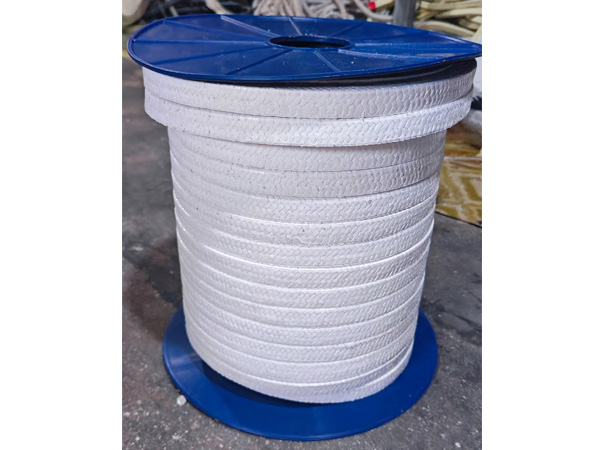
It is made from aramid fibers and black PTFE by a special mixed weaving process. High-stren...
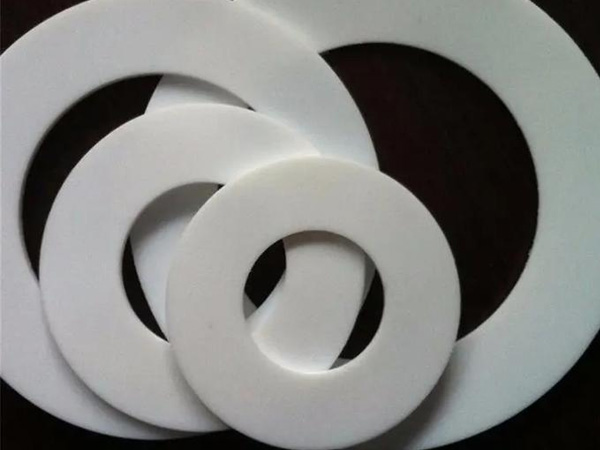
Its multidirectional fibrous structure forms a dense sealing layer under compression, with ...
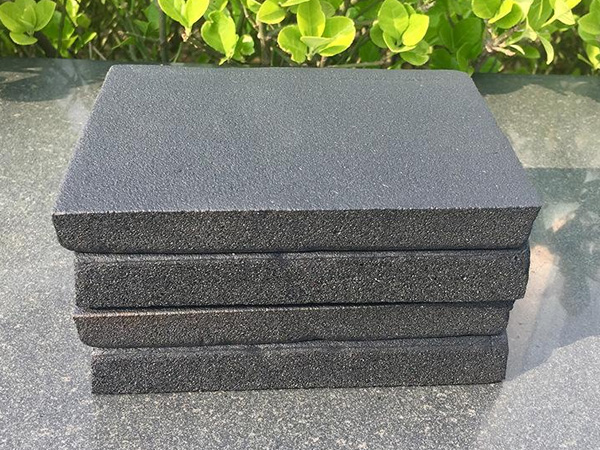
OurFlame Retardant Rubber Foamis a premium closed-cell elastomeric insulation material engi...
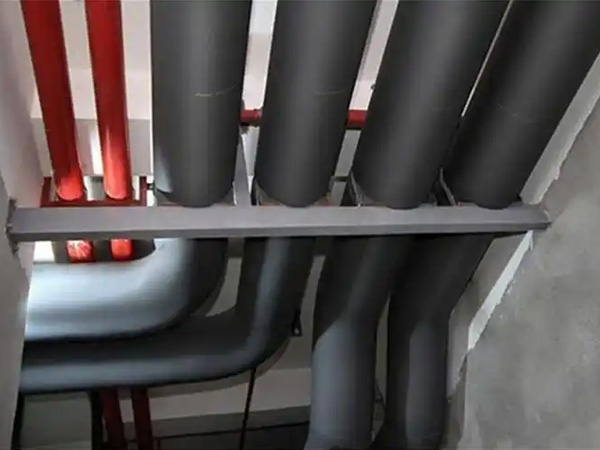
OurRubber Pipe Insulationis a high-performance solution designed specifically for HVAC pipi...