What Is a PTFE Gasket and Why Is It Widely Used in Industry
2026-05-05 17:45:10
In contemporary industrial setups where reliable sealing performance, resistance to chemical corrosion, and long-term service durability are of paramount importance, PTFE gaskets have emerged as one of the most dependable sealing materials available. From chemical processing facilities and food production lines to pharmaceutical equipment, PTFE gaskets are extensively employed in any scenario that demands leakage prevention and material stability under harsh operating conditions. But what precisely is a PTFE gasket, and what makes it a universally adopted standard solution across numerous industrial sectors?
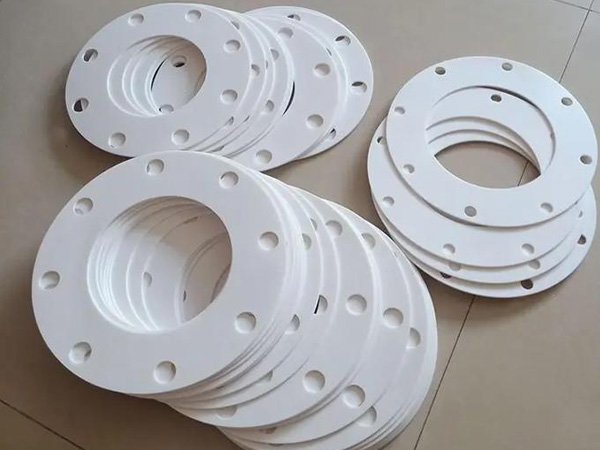
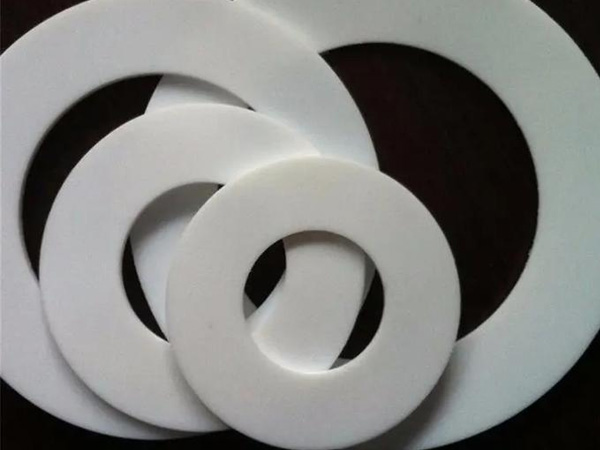
What Is a PTFE Gasket?
A PTFE gasket is a sealing element fabricated from Polytetrafluoroethylene (PTFE)—a high-performance fluoropolymer celebrated for its outstanding chemical inertness and ultra-low friction characteristics. It is frequently utilized to seal the clearance between two mechanical surfaces, effectively stopping the leakage of gases or liquids in piping systems, valves, pumps, and flanged joints. PTFE is often known by the brand name Teflon, and it is highly prized for its capacity to function seamlessly in extreme chemical and temperature environments. Unlike conventional rubber or fiber-based gaskets, PTFE gaskets are non-reactive, non-adhesive, and highly resistant to corrosion, which makes them well-suited for use with highly aggressive industrial media.
Key Properties of PTFE Gaskets
The extensive application of PTFE gaskets can be largely attributed to their unique blend of physical and chemical properties:
1. Superior Chemical Resistance
PTFE is nearly completely inert to the majority of chemicals, including acids, alkalis, and solvents. This renders PTFE gaskets an ideal choice for chemical processing operations, where exposure to corrosive substances is a common occurrence.
2. Broad Temperature Tolerance
Typically, PTFE gaskets can operate within a temperature range of -200°C to +260°C, maintaining their stability in both cryogenic (ultra-low temperature) and high-heat environments.
3. Low-Friction Surface
PTFE’s extremely low surface friction prevents sticking, facilitating easier assembly and disassembly of equipment components.
4. Non-Toxic and Food-Safe
PTFE is non-toxic and meets the requirements of many food-grade and pharmaceutical standards, making it suitable for hygienic applications in these industries.
5. Exceptional Sealing Performance
Even under low bolt loads, PTFE gaskets deliver reliable sealing performance because of their ability to conform to surface irregularities.
Types of PTFE Gaskets
PTFE gaskets are available in various forms to meet the specific requirements of different applications:
1. Virgin PTFE Gaskets
Crafted from pure PTFE resin, these gaskets offer the highest level of chemical resistance and purity. They are commonly used in the pharmaceutical and food industries, where product purity is critical.
2. Filled PTFE Gaskets
To enhance mechanical strength and reduce creep (permanent deformation under long-term pressure), PTFE is often mixed with filler materials such as glass fiber, carbon, graphite, or bronze.
3. Expanded PTFE (ePTFE) Gaskets
Expanded PTFE features a soft, compressible structure that enables excellent sealing even on uneven or damaged flange surfaces. It is widely used in pipeline systems and chemical plants.
Industrial Applications of PTFE Gaskets
Thanks to their versatility and reliability, PTFE gaskets find application in nearly every major industry.
Chemical Industry
In chemical plants, PTFE gaskets are used in pipelines, reactors, and storage tanks that handle strong acids, alkalis, and solvents.
Oil and Gas Industry
They are commonly employed in offshore platforms, refineries, and processing plants, where sealing reliability is crucial amid fluctuations in pressure and temperature.
Pharmaceutical Industry
Due to their purity and non-reactive nature, PTFE gaskets are utilized in sterile production systems and cleanroom environments.
Food and Beverage Industry
PTFE’s non-toxic properties and compliance with FDA standards make it suitable for processing equipment and piping systems that come into contact with consumable products.
Power Generation
PTFE gaskets are used in heat exchangers, steam systems, and high-temperature piping networks within power generation facilities.
Advantages of Using PTFE Gaskets
The widespread popularity of PTFE gaskets is driven by several key advantages:
Extended service life with minimal degradation over time
Resistance to nearly all industrial chemicals
Stable performance under extreme temperature conditions
Reduced maintenance needs and equipment downtime
Compatibility with a wide range of flange materials
Reliable sealing even in critical industrial systems
These advantages make PTFE gaskets a cost-effective long-term solution, even though their initial purchase cost is higher than that of conventional gasket materials.
Limitations to Consider
Despite their numerous benefits, PTFE gaskets also have some limitations that should be taken into account:
Cold flow (creep): Without reinforcement, PTFE may undergo permanent deformation under long-term pressure.
Lower mechanical strength: Compared to metal or composite gaskets, PTFE gaskets have relatively lower mechanical strength.
Higher cost: PTFE gaskets are more expensive than rubber or fiber-based alternatives.
To address these limitations, filled or expanded PTFE variants are often used in high-demand applications.
How to Choose the Right PTFE Gasket
When selecting a PTFE gasket for a specific application, several key factors should be considered:
Operating temperature and pressure levels
Chemical composition of the media being sealed
Flange type and surface condition
Required gasket thickness
Regulatory requirements (e.g., food-grade, pharmaceutical standards)
Choosing the correct type of PTFE gasket ensures optimal sealing performance and a longer service life.
Conclusion
PTFE gaskets have become an indispensable sealing solution across multiple industries, thanks to their unparalleled chemical resistance, wide temperature tolerance, and reliable sealing capabilities. Whether used in chemical plants, food processing systems, or high-pressure industrial pipelines, PTFE gaskets provide long-term stability and safety in challenging operating environments. As industrial systems continue to evolve toward higher efficiency and stricter safety standards, PTFE gaskets will remain a key component in ensuring leak-free and reliable operations.
References
GB/T 7714:Performance Evaluation of PTFE Gaskets in Extreme Chemical Environments. Journal of Industrial Sealing Technology
MLA: Mechanical Properties of Filled PTFE Composites for Gasket Applications. Materials Science and Engineering A
APA:Selection Criteria for PTFE Gaskets in Pharmaceutical and Food Processing Industries. Journal of Hygienic Engineering and Design
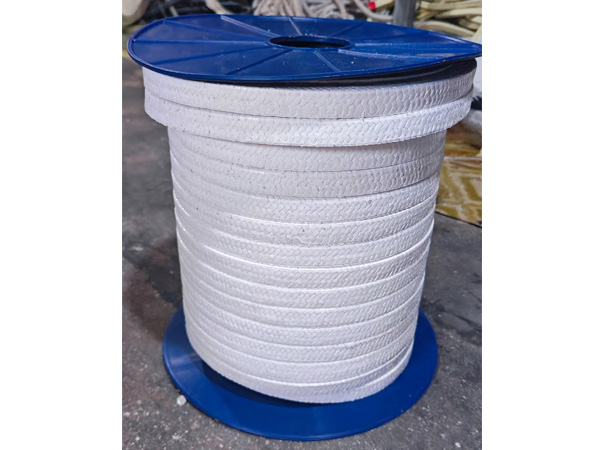
It is made from aramid fibers and black PTFE by a special mixed weaving process. High-stren...
Its multidirectional fibrous structure forms a dense sealing layer under compression, with ...
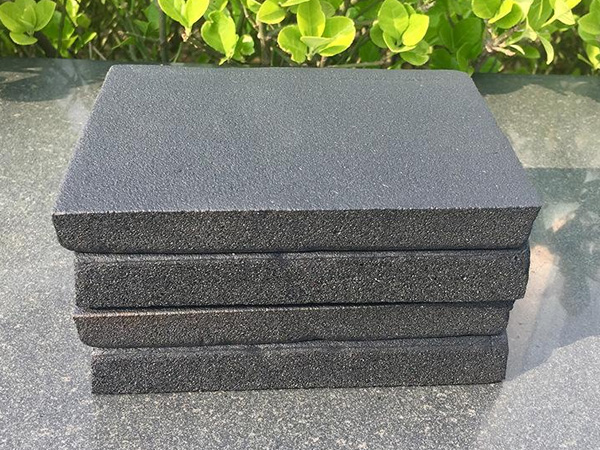
OurFlame Retardant Rubber Foamis a premium closed-cell elastomeric insulation material engi...
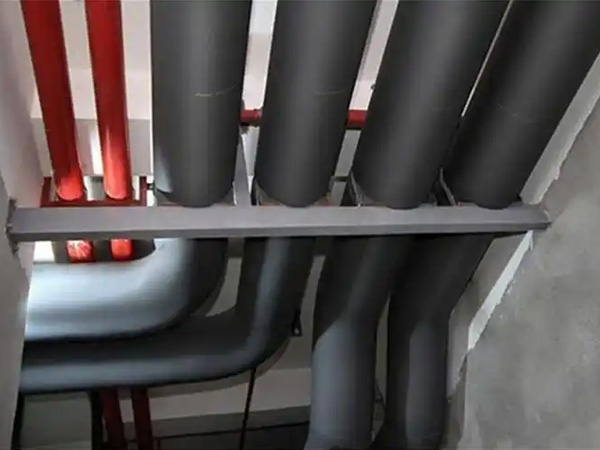
OurRubber Pipe Insulationis a high-performance solution designed specifically for HVAC pipi...