Custom Size Pipe Insulation Shell Phenolic: How to Choose the Right Fit for Your Pipeline System
2026-05-02 17:40:56
In modern industrial piping systems, thermal efficiency, energy conservation, and operational safety are consistently top priorities. Among the various insulation materials available, phenolic foam pipe insulation shells have grown in popularity due to their exceptional thermal performance, strong fire resistance, and lightweight structure. However, in practical applications, standard-sized insulation shells often fail to fit every pipeline perfectly. This is where custom size phenolic pipe insulation shells become indispensable. This article explains what custom phenolic pipe insulation is, why it is crucial for industrial projects, and how to select the appropriate size for your specific pipeline system.
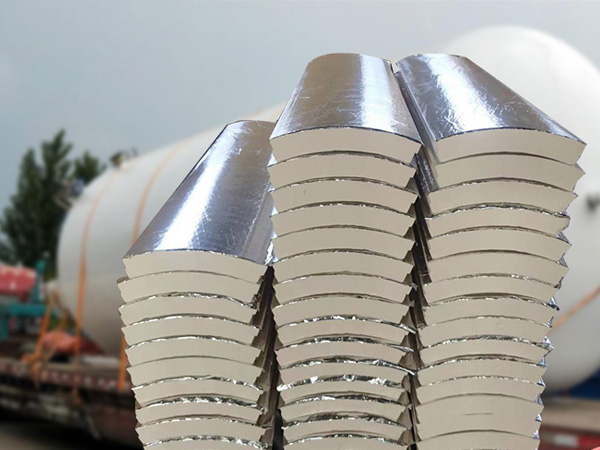
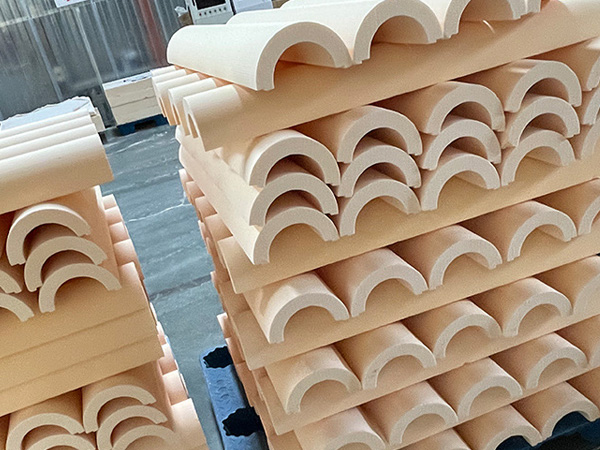
What Is Custom Size Phenolic Pipe Insulation Shell?
A phenolic pipe insulation shell is a pre-formed rigid insulation product made from phenolic foam, designed to wrap around pipes and minimize heat loss or gain. A custom-sized version refers to insulation that is manufactured based on specific pipe diameters, wall thickness requirements, and project-specific conditions, rather than relying on standard off-the-shelf dimensions. This customization ensures a tighter fit between the insulation and the pipe, enhances insulation performance, and simplifies installation in complex piping systems.
Why Custom Sizing Matters in Pipe Insulation
Using improperly sized insulation shells can give rise to a range of problems, including excessive heat loss, condensation buildup, and reduced overall system efficiency. Custom sizing effectively addresses these issues, offering multiple key benefits:
1. Improved Thermal Efficiency
A perfect fit eliminates air gaps between the pipe surface and the insulation, which reduces thermal bridging and significantly improves the energy-saving performance of the system.
2. Reduced Installation Issues
Custom-made shells are easier to install, especially in projects involving non-standard pipe diameters or complex pipeline layouts that cannot be accommodated by standard sizes.
3. Better Moisture Protection
Tight-fitting insulation effectively prevents condensation formation, which can otherwise lead to corrosion under insulation (CUI)—a common issue that shortens pipe service life.
4. Enhanced Durability
Proper sizing reduces mechanical stress on the insulation shell during installation and operation, thereby extending its service life and reducing maintenance needs.
Key Factors to Consider When Choosing Custom Phenolic Pipe Insulation
When selecting the right custom insulation shell, several technical and environmental factors need to be carefully evaluated to ensure optimal performance:
1. Pipe Diameter and Thickness
Accurately measuring the outer diameter of the pipe is the first and most critical step. Even minor deviations in measurement can negatively impact insulation performance and fit.
2. Operating Temperature
Phenolic foam insulation is suitable for a wide range of temperatures, but it is essential to ensure that the selected product matches the operating conditions of your specific pipeline system.
3. Environmental Conditions
Consider the installation environment of the pipeline—whether it is indoors, outdoors, underground, or in a high-humidity area. This factor influences the choice of protective jacketing for the insulation.
4. Fire Safety Requirements
Phenolic foam is well-known for its low smoke emission and excellent fire-resistant properties, making it an ideal choice for industries with strict fire safety regulations.
5. Thermal Conductivity Needs
Different projects have varying requirements for insulation efficiency. Generally, lower thermal conductivity values translate to better energy savings and more effective thermal protection.
Applications of Custom Phenolic Pipe Insulation Shell
Thanks to its flexibility and superior performance, custom phenolic insulation is widely used across multiple industries, including:
HVAC systems
Oil and gas pipelines
Chemical processing plants
Power generation facilities
District heating and cooling systems
Marine and offshore installations
In all these applications, the precise fit provided by custom insulation helps maintain system stability and optimize energy efficiency.
Installation Tips for Best Performance
To ensure the optimal performance of custom phenolic pipe insulation shells, proper installation is critical. Follow these key tips:
Clean the pipe surfaces thoroughly before installation to ensure good adhesion.
Ensure tight sealing of joints between insulation sections to prevent air gaps.
Use compatible adhesive or sealing tape when necessary to enhance the seal.
Apply protective outer cladding for outdoor installations to improve durability.
Avoid compressing the insulation or leaving gaps during installation, as this can reduce performance.
Proper installation directly impacts the insulation efficiency and long-term durability of the system.
Conclusion
Choosing the right custom size phenolic pipe insulation shell is more than just matching dimensions—it involves optimizing the entire piping system for efficiency, safety, and durability. By carefully considering pipe specifications, operating conditions, and environmental factors, you can ensure a precise fit that maximizes insulation performance and reduces long-term operating costs. If your project involves non-standard piping systems, custom phenolic insulation is one of the most effective solutions to achieve reliable thermal protection and significant energy savings.
References
GB/T 7714: Customization Technology and Performance of Phenolic Foam Pipe Insulation Shells[J]. Journal of Thermal Insulation Materials
MLA:Custom Phenolic Insulation for Non-Standard Industrial Pipes: Application and Case Study[J]. Industrial Piping Technology
APA:Durability Analysis of Custom Phenolic Insulation in High-Humidity Industrial Environments[J]. Industrial Insulation Technology
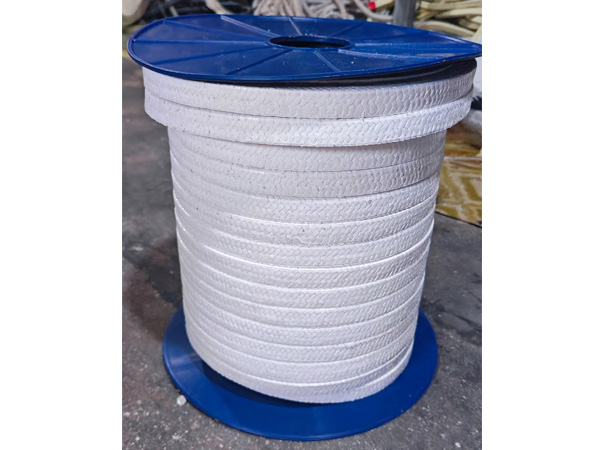
It is made from aramid fibers and black PTFE by a special mixed weaving process. High-stren...
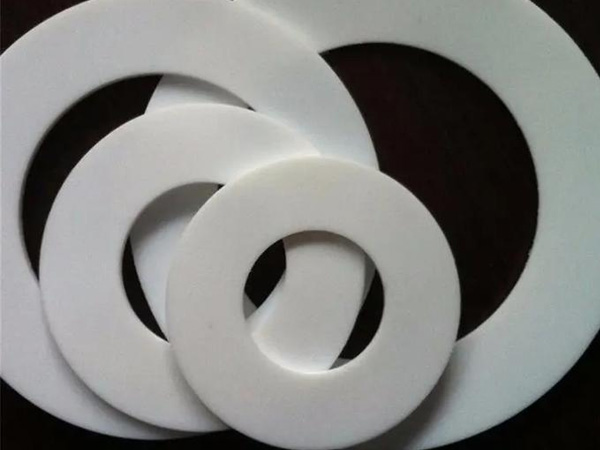
Its multidirectional fibrous structure forms a dense sealing layer under compression, with ...
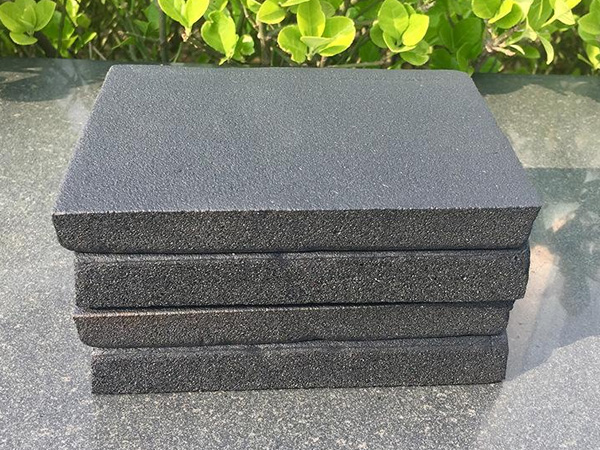
OurFlame Retardant Rubber Foamis a premium closed-cell elastomeric insulation material engi...
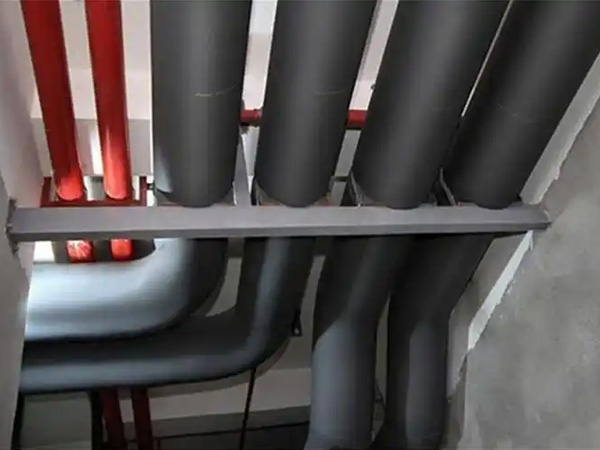
OurRubber Pipe Insulationis a high-performance solution designed specifically for HVAC pipi...