Key Benefits of Phenolic Foam Pipe Insulation Shell in Industrial Applications
2026-04-29 17:22:35
In modern industrial systems, pipe insulation plays a pivotal role in enhancing energy efficiency, safeguarding operational safety, and prolonging equipment service life. Among the diverse range of insulation materials available, the phenolic foam pipe insulation shell stands out due to its exceptional thermal performance, superior fire resistance, and long-term durability. This article explores the core benefits of phenolic foam pipe insulation shells and the reasons behind their widespread adoption across various industrial applications.
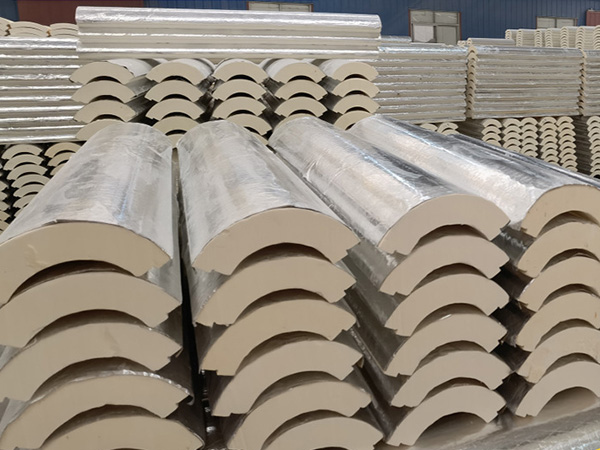
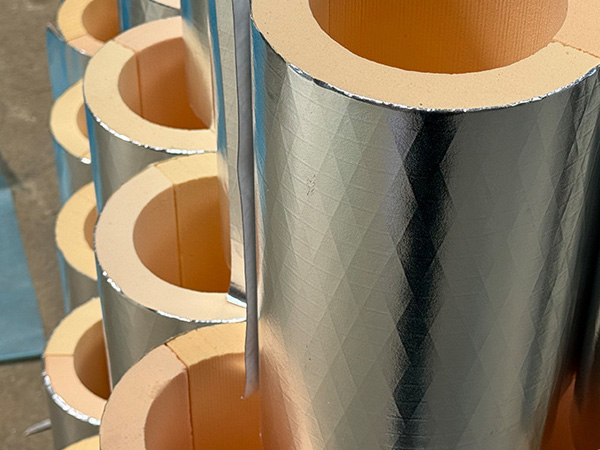
1. Excellent Thermal Insulation Performance
One of the most prominent advantages of phenolic foam pipe insulation shells is their extremely low thermal conductivity. This characteristic enables them to significantly minimize heat transfer between the pipe surface and the surrounding environment. In industrial systems such as:
Chemical processing plants
HVAC chilled water systems
Oil and gas pipelines
maintaining stable temperatures is crucial for operational efficiency and product quality. Phenolic foam insulation helps reduce energy loss, thereby enhancing the overall efficiency of the system and cutting down on operating costs.
2. Superior Fire Resistance and Safety
Industrial environments frequently demand materials that meet stringent fire safety regulations. Compared to many traditional insulation materials, phenolic foam boasts excellent flame-retardant properties. Key safety benefits include:
Low flame spread rate
Minimal smoke generation when exposed to fire
Reduced release of toxic gases during combustion
These features make phenolic foam insulation particularly suitable for high-risk facilities such as refineries, power plants, and large commercial complexes where fire safety is a top priority.
3. Effective Condensation Control
Condensation is a common problem in cold and chilled piping systems. When moisture accumulates on pipe surfaces, it can lead to a series of issues:
Corrosion of metal pipes, which shortens their service life
Growth of mold and microbes, posing health and hygiene risks
Reduced system efficiency and increased energy consumption
Phenolic foam pipe insulation shells feature a closed-cell structure that effectively blocks moisture penetration and prevents surface condensation. This protection helps safeguard piping systems and enhances their long-term reliability.
4. Lightweight Yet Structurally Stable
Despite its rigid structure, phenolic foam is relatively lightweight, making it easy to transport, handle, and install on-site. This reduces labor intensity and installation time, especially for large-scale projects. At the same time, it maintains good mechanical strength, ensuring:
Stable performance even under moderate pressure
Resistance to deformation and damage during installation and operation
Long service life in harsh industrial conditions
This balance between light weight and structural strength makes it a practical and efficient choice for large-scale industrial piping systems.
5. Energy Efficiency and Cost Savings
By minimizing heat loss and improving thermal stability, phenolic foam insulation directly contributes to energy savings in industrial operations. This translates to tangible benefits for users over time:
Lower heating and cooling costs for piping systems
Reduced overall energy consumption, aligning with energy conservation goals
Enhanced system performance efficiency and operational stability
While the initial investment in phenolic foam insulation may be higher than that of some traditional materials, the long-term operational savings and reduced maintenance costs make it a highly cost-effective solution.
6. Space-Saving Installation Design
Industrial facilities often have limited space for pipeline installation, especially in dense or compact areas. Phenolic foam insulation delivers high thermal efficiency even with smaller thicknesses, allowing engineers to design more compact and space-efficient piping systems. This space-saving advantage is particularly valuable in:
Dense pipeline networks in chemical plants and refineries
Offshore platforms with limited installation space
Mechanical rooms and equipment areas with restricted clearance
7. Long Service Life and Durability
Phenolic foam insulation is renowned for its excellent aging resistance. It does not easily degrade under normal industrial operating conditions, maintaining stable performance over many years. It offers strong resistance to:
Moisture and humidity, preventing water damage
Fluctuations in temperature, adapting to varying industrial environments
Moderate chemical exposure, suitable for most industrial settings
This durability reduces the need for frequent maintenance and replacement, further lowering long-term operational costs.
8. Wide Range of Industrial Applications
Thanks to its well-balanced performance characteristics, phenolic foam pipe insulation shells are widely used across multiple industries, including:
Oil and gas transportation systems
Petrochemical plants and refineries
HVAC and district cooling/heating systems
Food and pharmaceutical factories (where hygiene and stability are critical)
Power generation facilities
Marine and offshore engineering projects
Its versatility makes it suitable for both high-temperature and low-temperature piping systems, catering to diverse industrial needs.
Conclusion
The phenolic foam pipe insulation shell combines exceptional thermal efficiency, superior fire safety, effective moisture resistance, and long-term durability into a single solution. These advantages make it an ideal choice for demanding industrial environments where performance, safety, and reliability are critical. As industries around the world continue to prioritize energy conservation, sustainable operation, and safety compliance, phenolic foam insulation is expected to play an increasingly important role in modern piping system design and industrial infrastructure.
References
GB/T 7714:Thermal Performance and Application of Phenolic Foam Pipe Insulation in HVAC Systems[J]. Journal of Thermal Insulation Materials
MLA:Installation Technology and Performance Optimization of Phenolic Foam Pipe Insulation Shell[J]. Construction Technology
APA:Application of Phenolic Foam Insulation in Cold Storage and Refrigeration Systems[J]. Refrigeration Technology
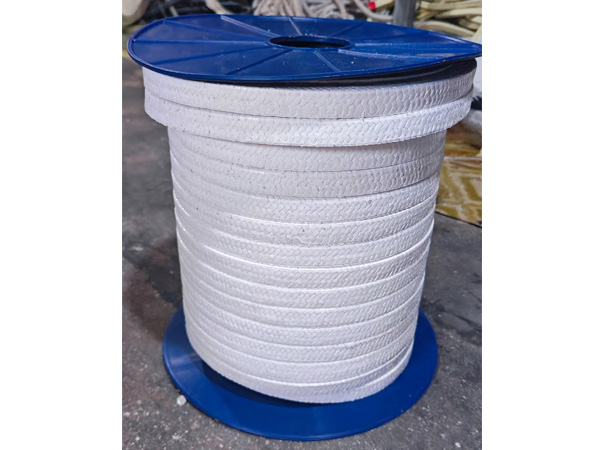
It is made from aramid fibers and black PTFE by a special mixed weaving process. High-stren...
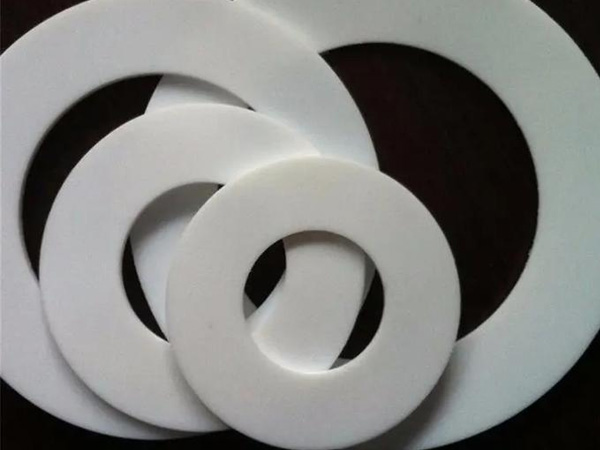
Its multidirectional fibrous structure forms a dense sealing layer under compression, with ...
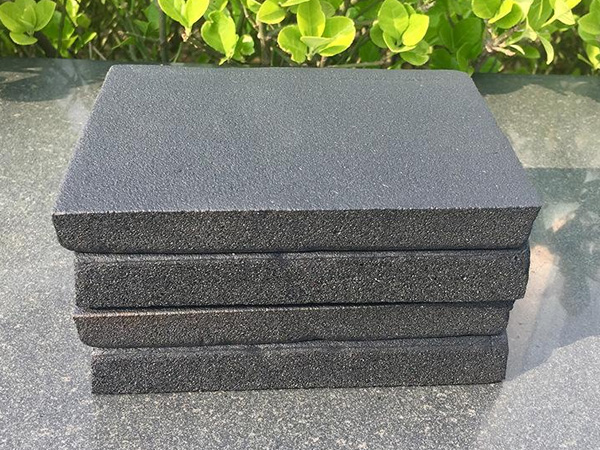
OurFlame Retardant Rubber Foamis a premium closed-cell elastomeric insulation material engi...
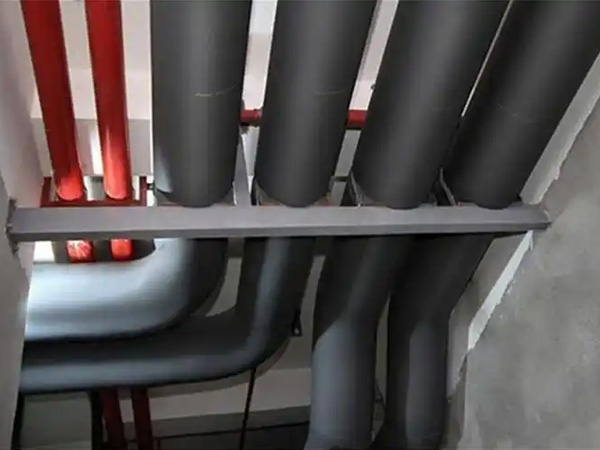
OurRubber Pipe Insulationis a high-performance solution designed specifically for HVAC pipi...