What Is Phenolic Foam Pipe Insulation Shell and Why Is It Widely Used?
2026-04-26 16:47:31
In modern construction and industrial piping systems, energy efficiency and thermal stability are two crucial factors that directly affect operational costs and system performance. One material that has attracted considerable attention in recent years is the phenolic foam pipe insulation shell. Renowned for its exceptional thermal insulation performance, fire resistance, and long-term durability, it has become a preferred insulation solution in HVAC, petrochemical, refrigeration, and building sectors. But what exactly is phenolic foam pipe insulation, and why has it gained such widespread popularity? Let’s explore this insulation material in detail.
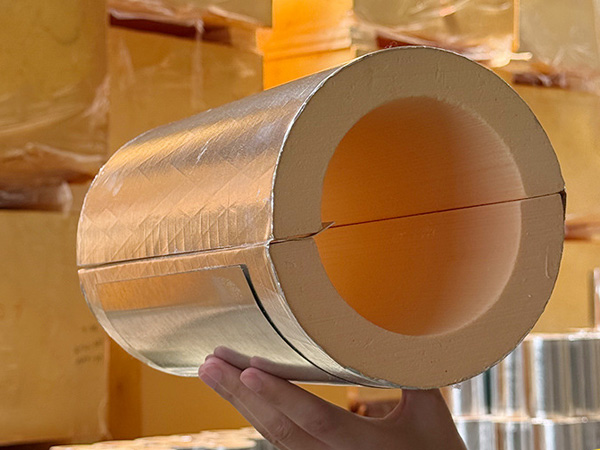
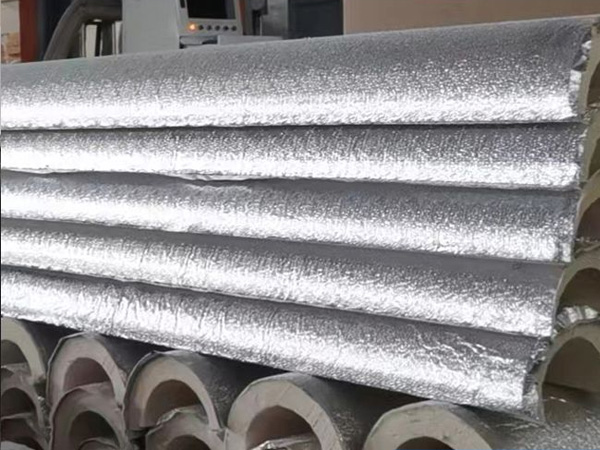
What Is Phenolic Foam Pipe Insulation Shell?
A phenolic foam pipe insulation shell is a pre-formed rigid insulation product manufactured from phenolic foam. It is specifically designed to wrap around pipes of various diameters, aiming to reduce heat loss or gain, prevent condensation formation, and enhance overall energy efficiency of the piping system. Phenolic foam is a type of thermosetting plastic foam produced by the controlled reaction of phenol and formaldehyde. The end product is a rigid closed-cell foam with a highly stable structure, which contributes to its excellent insulation and mechanical properties. Typically, the insulation shell is split into two halves or sections, allowing for easy installation around existing or new pipes. After wrapping, the sections are sealed using adhesive, insulation tape, or protective cladding to ensure a tight, seamless fit.
Key Properties of Phenolic Foam Insulation
The rising popularity of phenolic foam pipe insulation shell stems from its unique combination of performance advantages, which set it apart from other insulation materials:
1. Extremely Low Thermal Conductivity
Among common insulation materials, phenolic foam boasts one of the lowest thermal conductivity values. This exceptional property enables it to effectively minimize heat transfer, helping maintain stable temperatures within the pipes and reducing energy consumption for heating or cooling systems.
2. Excellent Fire Resistance
One of its most prominent advantages is its superior fire performance. Phenolic foam is inherently flame-retardant and emits very little smoke when exposed to fire, making it an ideal choice for buildings and industrial facilities with strict fire safety requirements.
3. Lightweight yet Robust
Despite its lightweight nature, phenolic foam possesses good mechanical strength. It is easy to transport, handle, and install, while still maintaining structural integrity even under moderate pressure.
4. Low Smoke and Toxicity Emissions
In the event of a fire, phenolic foam generates significantly less smoke and toxic gases compared to traditional insulation materials like polyurethane foam. This feature enhances safety for both human life and the environment.
5. Strong Moisture Resistance
Thanks to its closed-cell structure, phenolic foam is highly resistant to water absorption. It effectively prevents condensation from forming on pipe surfaces, which helps avoid pipe corrosion, mold growth, and subsequent structural damage.
Why Is Phenolic Foam Pipe Insulation Shell Widely Used?
The widespread adoption of phenolic foam pipe insulation shell is driven by its combination of performance excellence and practical benefits, which cater to the needs of various industries:
1. Energy Efficiency in HVAC Systems
In heating, ventilation, and air conditioning (HVAC) systems, energy loss through piping can be substantial. Phenolic foam insulation minimizes these thermal losses, improving the overall efficiency of the system and reducing operational costs over time.
2. Compliance with Fire Safety Standards
Modern construction projects are required to meet strict fire safety regulations. The excellent fire-resistant properties of phenolic foam make it a preferred choice for commercial buildings, hospitals, airports, high-rise structures, and industrial facilities.
3. Prevention of Condensation and Corrosion
Cold water pipes or chilled systems often experience condensation, which can lead to pipe corrosion and structural damage in the long run. Phenolic foam insulation effectively blocks moisture buildup, extending the service life of the pipes and reducing maintenance costs.
4. Space-Saving Design
Due to its high insulation efficiency, phenolic foam can achieve the same thermal performance with thinner layers compared to other insulation materials. This is particularly beneficial in tight installation spaces where space is at a premium.
5. Environmental Considerations
Compared to some alternative insulation materials, phenolic foam is often regarded as more environmentally friendly. Its energy-saving performance reduces overall carbon emissions, and it produces fewer harmful emissions during fire conditions.
Common Applications of Phenolic Foam Pipe Insulation Shell
Phenolic foam pipe insulation is widely used across various industries and environments, thanks to its versatile performance:
HVAC ducting and chilled water systems
Industrial pipelines in chemical plants and refineries
Oil and gas transportation pipelines
Cold storage and refrigeration systems
Commercial and residential building plumbing
District heating and cooling systems
Its adaptability makes it suitable for both high-temperature and low-temperature piping applications.
Installation Overview
Installing phenolic foam pipe insulation shells is relatively simple and straightforward, following these key steps:
Measure the diameter of the pipe and select the corresponding size of insulation shell.
Split the shell along its pre-cut seam and place it around the pipe, ensuring a snug fit.
Apply adhesive or sealing tape at the joints to create a tight seal.
If necessary, add an outer protective covering to enhance durability and resistance to external damage.
Ensure all joints and gaps are tightly sealed to prevent thermal bridging, which can reduce insulation efficiency.
Proper installation is crucial to maximizing the insulation performance and long-term durability of the phenolic foam shell.
Phenolic Foam vs Other Insulation Materials
When compared to traditional insulation materials such as fiberglass, mineral wool, or polyurethane foam, phenolic foam offers a well-balanced combination of advantages:
Superior fire safety compared to polyurethane foam
Lower thermal conductivity than fiberglass, resulting in better insulation efficiency
Less smoke production than most foam-based insulation materials
Stronger moisture resistance than mineral wool
While phenolic foam may have a higher initial cost than some alternatives, its long-term performance, energy savings, and reduced maintenance needs often result in better lifecycle value.
Conclusion
The phenolic foam pipe insulation shell has emerged as a key material in modern insulation systems, thanks to its outstanding thermal efficiency, superior fire resistance, and long-term durability. As industries continue to prioritize energy conservation, safety, and sustainability, the demand for phenolic foam insulation is expected to grow further. Whether applied in HVAC systems, industrial pipelines, or building infrastructure, phenolic foam pipe insulation provides a reliable, high-performance solution for protecting pipes, reducing energy consumption, and improving the overall efficiency of piping systems.
References
GB/T 7714:Thermal Performance and Application of Phenolic Foam Pipe Insulation in HVAC Systems[J]. Journal of Thermal Insulation Materials
MLA:Installation Technology and Performance Optimization of Phenolic Foam Pipe Insulation Shell[J]. Construction Technology
APA:Application of Phenolic Foam Insulation in Cold Storage and Refrigeration Systems[J]. Refrigeration Technology
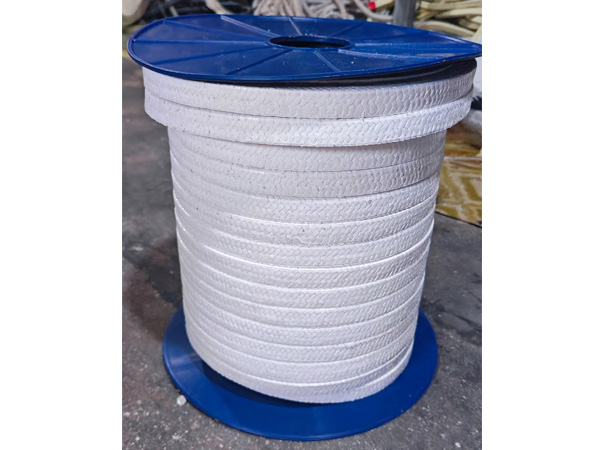
It is made from aramid fibers and black PTFE by a special mixed weaving process. High-stren...
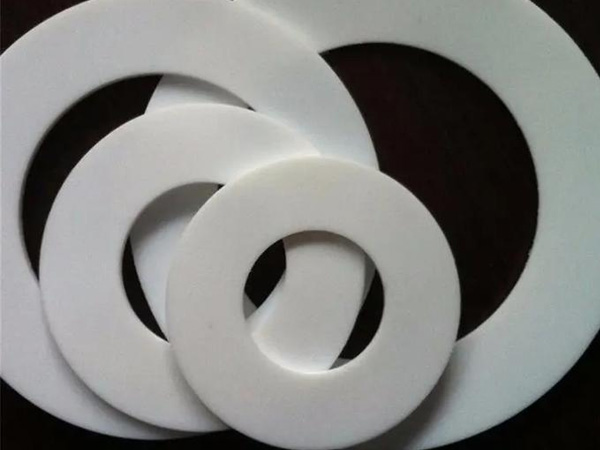
Its multidirectional fibrous structure forms a dense sealing layer under compression, with ...
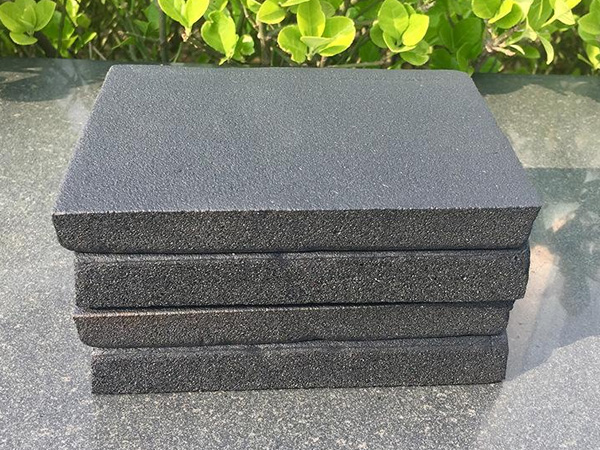
OurFlame Retardant Rubber Foamis a premium closed-cell elastomeric insulation material engi...
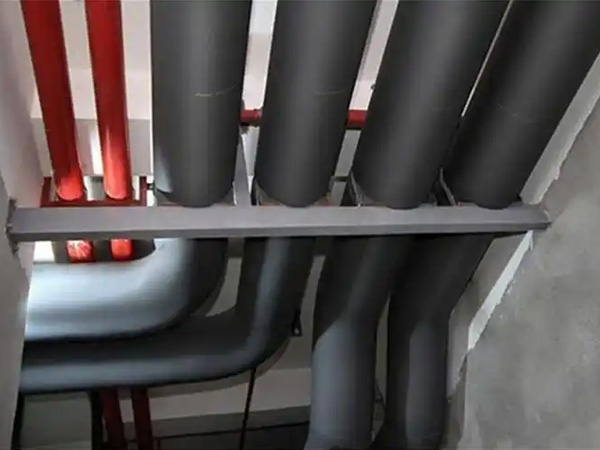
OurRubber Pipe Insulationis a high-performance solution designed specifically for HVAC pipi...