Phenolic Foam Board for Wall Insulation: Benefits, Applications and Installation Guide
2026-03-24 14:13:17
Wall insulation is of vital importance in enhancing a building’s energy efficiency, indoor comfort, and fire safety. Among the various insulation materials available currently, phenolic foam board has gained growing popularity, thanks to its exceptional thermal insulation performance and fire-resistant features. This article explores the advantages, practical applications, and installation techniques of phenolic foam board for wall insulation, assisting builders, contractors, and project developers in selecting the optimal insulation solution for their projects.
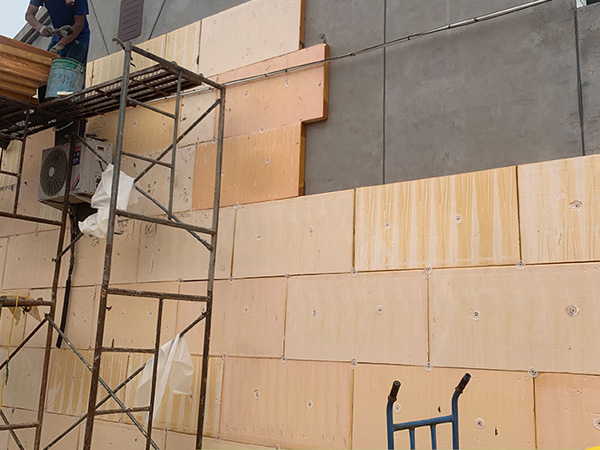
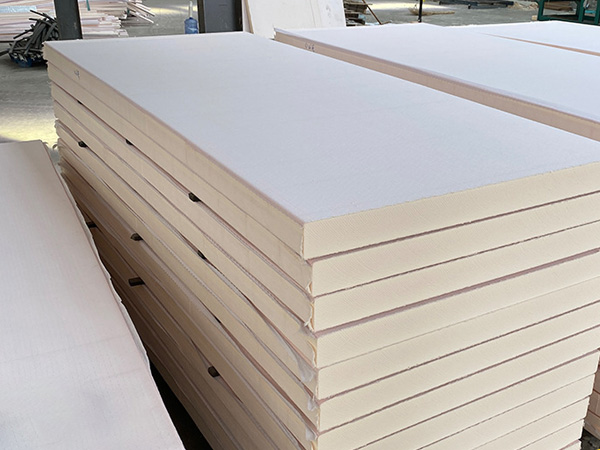
What Is Phenolic Foam Board?
Phenolic foam board is a rigid insulation material produced from phenolic resin foam. It is characterized by its closed-cell structure, low thermal conductivity, and high fire resistance, making it one of the most efficient insulation materials employed in modern construction projects. In comparison with traditional insulation materials like mineral wool or EPS (expanded polystyrene) boards, phenolic foam boards deliver superior insulation performance with a thinner thickness, which helps save space while maintaining outstanding thermal efficiency.
Key Characteristics
·Low thermal conductivity for efficient heat retention
·Exceptional fire resistance to meet strict safety standards
·Lightweight structure for easy handling
·Strong moisture resistance to prevent water absorption
·Long service life with minimal maintenance needs
These features make phenolic foam boards particularly suitable for wall insulation systems in residential, commercial, and industrial buildings.
Benefits of Using Phenolic Foam Board for Wall Insulation
1. Outstanding Thermal Insulation Performance
One of the primary advantages of phenolic foam board is its extremely low thermal conductivity, generally ranging from 0.020 to 0.023 W/m·K. This enables buildings insulated with phenolic foam boards to significantly reduce heat transfer, thereby improving energy efficiency and cutting down on heating and cooling expenses.
2. Superior Fire Resistance
Fire safety is a key consideration in building design. Compared to many other insulation materials, phenolic foam insulation boards exhibit excellent fire performance. They generate little smoke and have limited flame spread, making them suitable for projects with strict fire safety requirements, such as:
·High-rise buildings
·Commercial complexes
·Hospitals
·Public infrastructure
3. Space-Saving Insulation Solution
Due to its high insulation efficiency, phenolic foam boards can achieve the same thermal performance with thinner panels compared to other insulation materials. This offers the following benefits:
·Maximizing interior usable space
·Reducing the thickness of building walls
·Enhancing design flexibility for architects
4. Lightweight and Easy to Handle
Phenolic foam boards are lightweight yet durable, which facilitates their transportation, cutting, and installation during the construction process. This not only lowers labor costs but also improves installation efficiency on construction sites.
5. Moisture and Mold Resistance
The closed-cell structure of phenolic foam effectively prevents moisture absorption, reducing the risk of mold growth and ensuring long-term insulation performance. This property makes it an ideal choice for environments where humidity control is a key concern.
Applications of Phenolic Foam Board in Wall Insulation
Phenolic foam boards are widely utilized in various building insulation systems, catering to different construction needs.
External Wall Insulation (EWI) Systems
They are commonly applied in external wall insulation systems, where insulation panels are installed on the exterior of building walls to enhance energy efficiency and thermal stability.
Internal Wall Insulation
Phenolic foam boards can also be installed on the interior of walls to improve insulation without significantly reducing the available interior space. This method is often adopted in renovation projects or buildings where external insulation is not feasible.
Curtain Wall Systems
In modern commercial buildings with curtain wall facades, phenolic foam boards are used as thermal insulation layers to enhance the performance of the building envelope.
Industrial and Commercial Buildings
Factories, warehouses, and commercial facilities also utilize phenolic foam insulation boards to maintain stable indoor temperatures and reduce energy consumption.
Installation Guide for Phenolic Foam Board Wall Insulation
Proper installation is crucial to ensuring the optimal insulation performance of phenolic foam boards. Below is a general installation process for wall insulation systems using phenolic foam boards.
Step 1: Surface Preparation
Before installation, the wall surface must be:
·Clean and free of debris
·Dry to ensure good adhesion
·Structurally stable and flat
Remove dust, loose materials, and uneven surfaces to guarantee strong adhesion between the board and the wall.
Step 2: Apply Adhesive or Mechanical Fixings
Phenolic foam boards can be installed using the following methods:
·Adhesive bonding
·Mechanical fasteners
·A combination of both methods
The specific method chosen depends on the wall structure and project requirements.
Step 3: Install the Insulation Boards
Place the phenolic foam boards firmly against the wall and arrange them in a staggered pattern to minimize thermal bridges. Ensure that the joints between adjacent panels are tight and properly aligned to avoid heat leakage.
Step 4: Reinforcement and Finishing
After the insulation boards are installed, a reinforcement mesh and protective coating are usually applied to the surface. This layer provides the following benefits:
·Additional structural strength to the insulation system
·Enhanced weather resistance for external walls
·A smooth surface for the final decorative finish
Why Choose Phenolic Foam Board for Modern Construction?
With the increasing demand for energy-efficient and fire-safe buildings, phenolic foam insulation boards have become a preferred choice for numerous construction projects. They combine the following key advantages:
·High thermal insulation performance
·Reliable fire safety protection
·Lightweight and easy-to-install design
·Long-term durability and stability
These advantages make phenolic foam boards an excellent solution for modern wall insulation systems.
Conclusion
Phenolic foam board is a highly efficient insulation material that offers exceptional thermal performance, fire resistance, and long-term durability. Whether used in residential buildings, commercial projects, or industrial facilities, it provides a reliable solution for improving wall insulation performance. By understanding the benefits, applications, and installation process of phenolic foam board, builders and project developers can make more informed decisions when selecting insulation materials for their projects.
References
GB/T 7714:Thermal Performance and Application of Phenolic Foam Board in Wall Insulation Systems. Journal of Building Insulation
MLA:Installation Techniques and Quality Control of Phenolic Foam Board for External Wall Insulation. Construction Technology
APA:Moisture Resistance and Long-Term Durability of Phenolic Foam Board in Wall Insulation. Journal of Materials in Civil Engineering
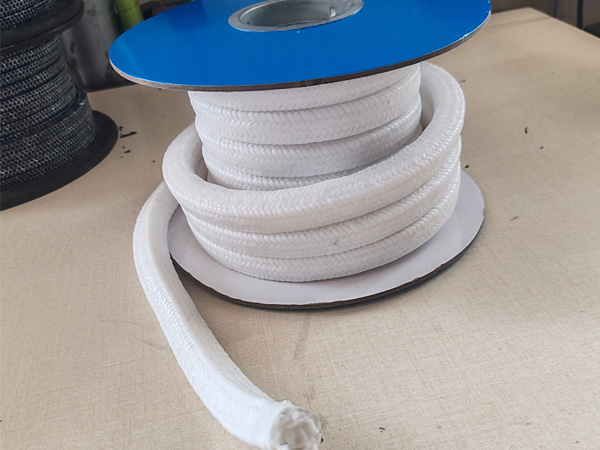
PTFE Packing is a sealing material made from pure polytetrafluoroethylene fibers through a ...
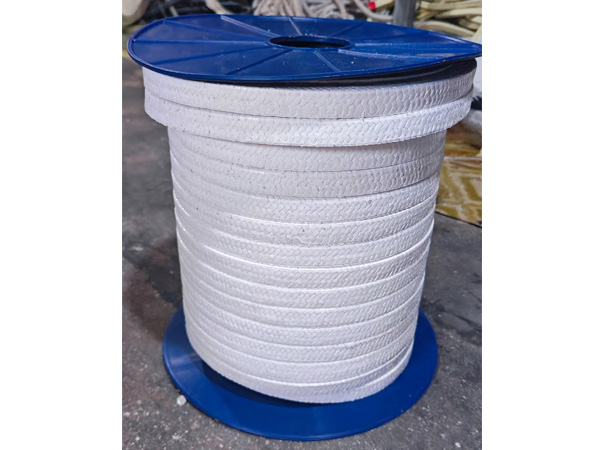
It is made from aramid fibers and black PTFE by a special mixed weaving process. High-stren...
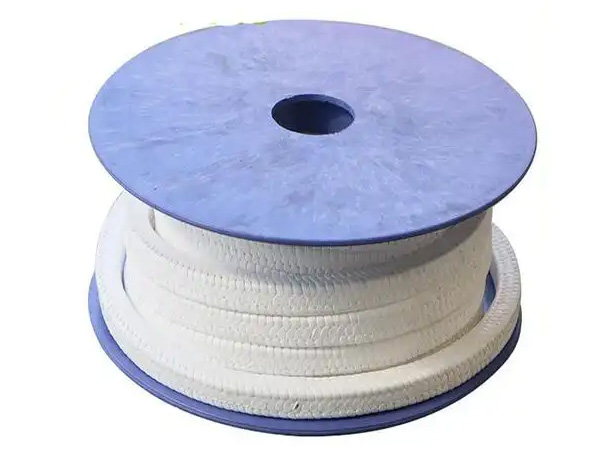
PTFE packing can be classified into aramid blended black PTFE packing, white PTFE packing, ...
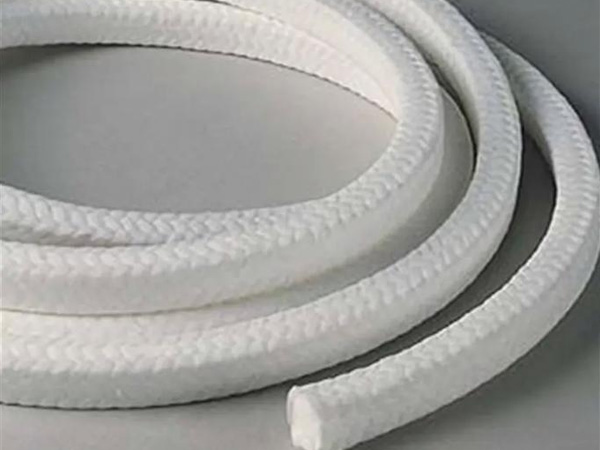
PTFE Packing is a sealing material made from pure polytetrafluoroethylene fibers through a ...