PTFE Envelope Gasket: Features and Advantages
2026-06-19 23:36:51
Among the various designs available for PTFE-based sealing products, the PTFE envelope gasket occupies a unique and valuable niche. This gasket type features a thin PTFE jacket that fully or partially encloses an inner filler material, typically compressed asbestos-free fiber or rubber. The design leverages the chemical inertness of PTFE on the sealing surfaces while relying on the compressibility and recovery of the core material to maintain bolt load and seal integrity. For industries that need PTFE-level chemical resistance but struggle with the creep and recovery limitations of solid PTFE, envelope gaskets offer an elegant engineering solution.
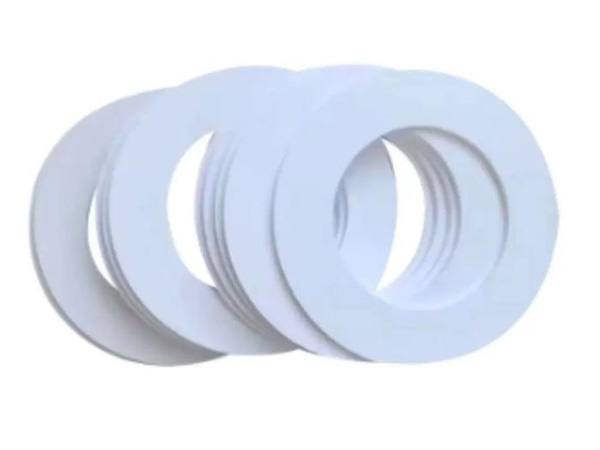
Construction and Design Variants
PTFE envelope gaskets are produced in two main configurations: full envelope and split envelope. In the full envelope design, the PTFE jacket completely encircles the filler material, providing PTFE contact on both the radial and axial sealing surfaces. This configuration offers the highest level of chemical protection but is limited to smaller flange sizes due to manufacturing constraints. The split envelope design features a PTFE jacket on the inside diameter and sealing face but leaves the outside diameter of the filler material exposed. This variant is more economical and can be produced in larger sizes. Both types are available from specialized gasket manufacturers and suppliers who maintain precision tooling for consistent jacket thickness and dimensional accuracy.
Chemical Protection on Sealing Surfaces
The primary purpose of the PTFE jacket is to shield the sealing surfaces from the process fluid. Because PTFE is impermeable to virtually all industrial chemicals, the inner filler material never comes into contact with the aggressive media. This allows the use of compressible, resilient filler materials that would otherwise be unsuitable for the service environment. For applications involving strong acids, caustics, or solvents where both chemical resistance and good recovery are needed, the PTFE envelope gasket delivers both attributes in a single product.
Improved Recovery and Resilience
One of the key advantages of PTFE envelope gaskets over solid PTFE is their superior elastic recovery. The filler core compresses under bolt load and springs back when the load relaxes, compensating for the limited recovery of the PTFE jacket. This combination maintains sealing pressure more effectively than solid PTFE alone, particularly in applications subject to thermal cycling, vibration, or pressure fluctuations. The result is a gasket that remains leak-tight over longer service intervals and requires less frequent retorquing.
Cost-Effectiveness Compared to Solid PTFE
Because the PTFE jacket represents only a fraction of the total gasket volume, envelope gaskets use significantly less PTFE material than solid PTFE equivalents of the same size. This reduced PTFE content lowers material cost, making envelope gaskets an economical choice for large-diameter flanges where solid PTFE would be prohibitively expensive. The reduced PTFE usage also makes envelope gaskets a more environmentally conscious option, as PTFE production involves energy-intensive processes and the material is not biodegradable.
Applications in Chemical Processing
PTFE envelope gaskets are widely used in chemical processing plants for sealing glass-lined vessels, reactors, and piping systems. Glass-lined equipment requires gaskets that are both chemically inert and gentle enough not to damage the brittle glass coating. The soft PTFE jacket protects the glass while the resilient core maintains adequate seating pressure. Petrochemical facilities also employ envelope gaskets in applications where mixed chemical streams make material selection challenging and where the all-around protection of a PTFE jacket simplifies gasket inventory management.
Installation and Handling Considerations
Installing PTFE envelope gaskets requires care to avoid tearing the thin PTFE jacket. The gasket should be handled with gloves, and sharp tools should not be used to position or adjust the gasket during assembly. Bolt torque values should follow the manufacturer's recommendations, as over-compression can cause the PTFE jacket to split or the filler to extrude. When properly installed and maintained, PTFE envelope gaskets provide a reliable, long-lasting sealing solution that combines the best attributes of PTFE chemistry with the mechanical benefits of compressible filler materials.
References
Fluid Sealing Association, "Gasket Types and Selection Guide," Fluid Sealing Association, 2021.
R. K. Gupta, "Polymer and Composite Rheology," Marcel Dekker, 2020.
ASTM International, "ASTM D6397 - Standard Specification for PTFE Envelope Gaskets," ASTM, 2018.
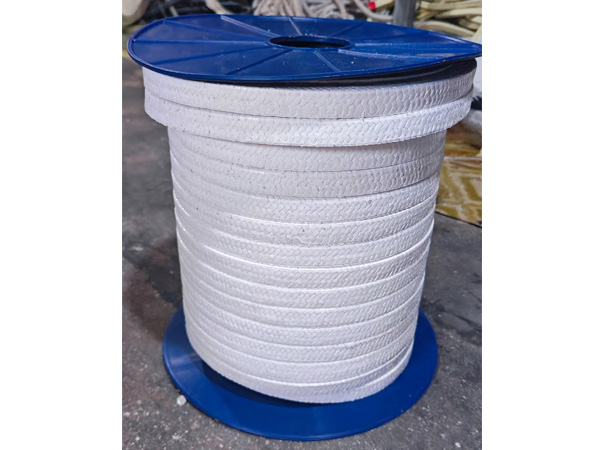
It is made from aramid fibers and black PTFE by a special mixed weaving process. High-stren...
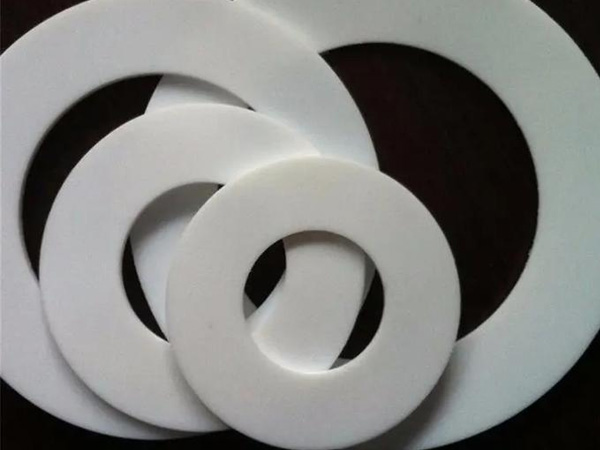
Its multidirectional fibrous structure forms a dense sealing layer under compression, with ...
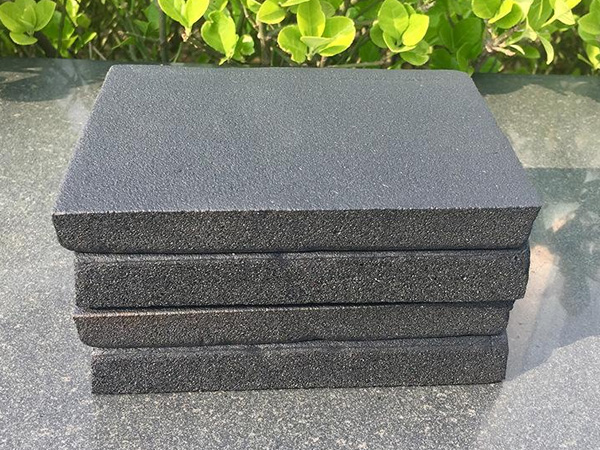
OurFlame Retardant Rubber Foamis a premium closed-cell elastomeric insulation material engi...
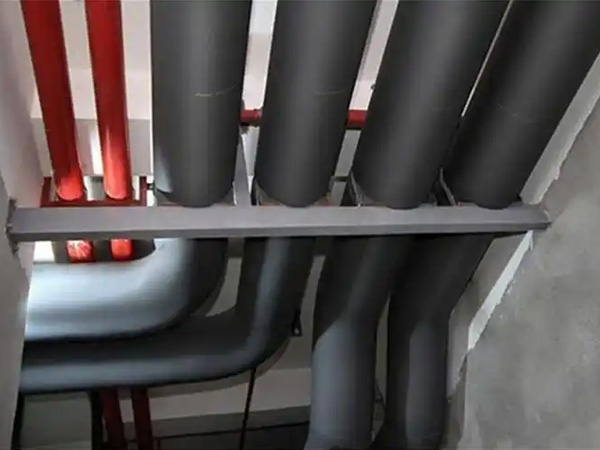
OurRubber Pipe Insulationis a high-performance solution designed specifically for HVAC pipi...