Fire Resistance Characteristics of Phenolic Insulation Pipe Sections
2025-06-18 18:23:15
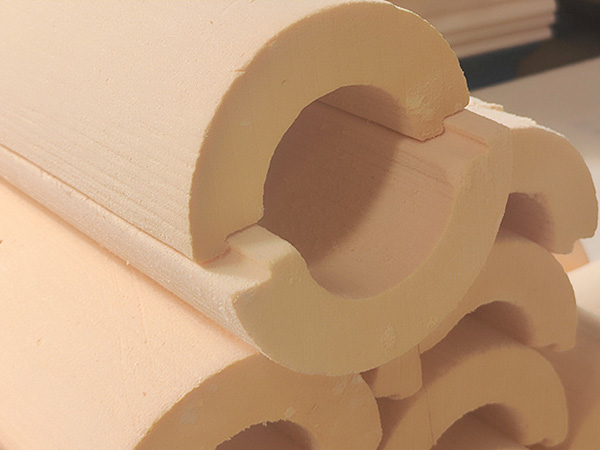
Phenolic foam pipe insulation offers superior fire performance compared to conventional plastic-based insulation materials. Below is a detailed analysis of its key fire safety properties and applications in high-risk environments.
1. Inherent Fire-Resistant Composition
Thermoset Polymer Structure
Phenolic resin forms a highly crosslinked molecular structure that chars rather than melts when exposed to fire, preventing dripping and flame spread.
Fire Retardant Additives
Contains nitrogen and phosphorus-based compounds that release flame-suppressing gases when heated (endothermic reaction).
2. Critical Fire Performance Metrics
Flame Spread Resistance
Achieves Class B1 (GB 8624) / Euroclass B-s1,d0 (EN 13501-1) with:
Flame spread index ≤25 (ASTM E84)
Smoke density rating ≤50 (NBS smoke chamber test)
High Temperature Stability
Maintains structural integrity up to 150°C continuous service, with short-term resistance to 250°C during fire events.
Limited Toxic Emissions
Halogen-free formulation produces primarily CO₂ and H₂O during decomposition (unlike PVC-based foams).
3. Fire Testing Compliance
Large-Scale Fire Tests
Passes BS 476 Part 6 & 7 for flame propagation and surface spread.
Industrial Standards
Certified for NFPA 274 (pipe insulation flammability) and IMO FTP Code for marine applications.
4. Failure Prevention Mechanisms
Char Formation
Develops a protective carbonized layer at 300-400°C, slowing heat transfer to underlying pipes.
Self-Extinguishing
Ceases burning within <3 seconds after flame removal (UL 94 V-0 equivalent).
5. High-Risk Application Scenarios
Oil & Gas Facilities
Used at pipe junctions where fireproofing is critical (API 2218 compliance).
Nuclear Power Plants
Specified for secondary containment piping due to low smoke toxicity.
High-Rise Buildings
Mandatory for vertical service shafts per IBC 2021 Section 721.
For ultra-high fire resistance, ceramic fiber-reinforced phenolic composites are available with 180-minute fire ratings (ASTM E119).
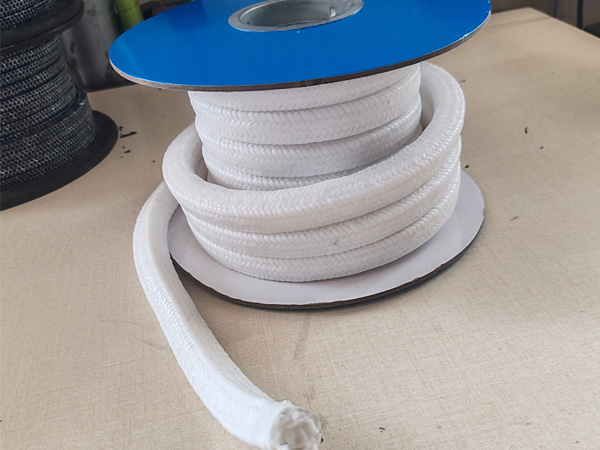
PTFE Packing is a sealing material made from pure polytetrafluoroethylene fibers through a ...
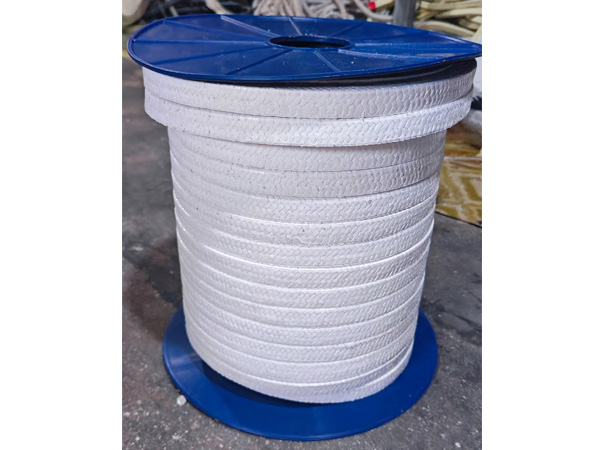
It is made from aramid fibers and black PTFE by a special mixed weaving process. High-stren...
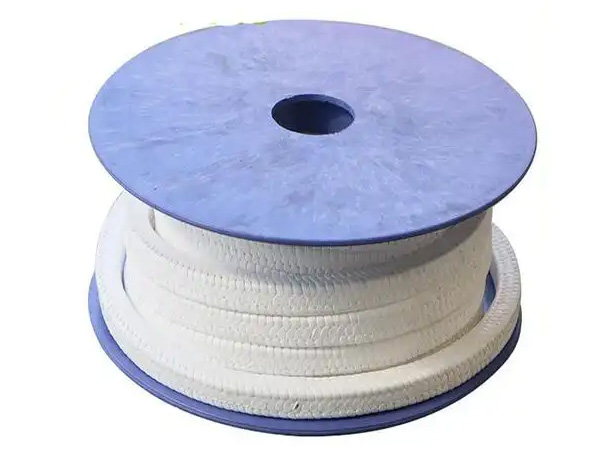
PTFE packing can be classified into aramid blended black PTFE packing, white PTFE packing, ...
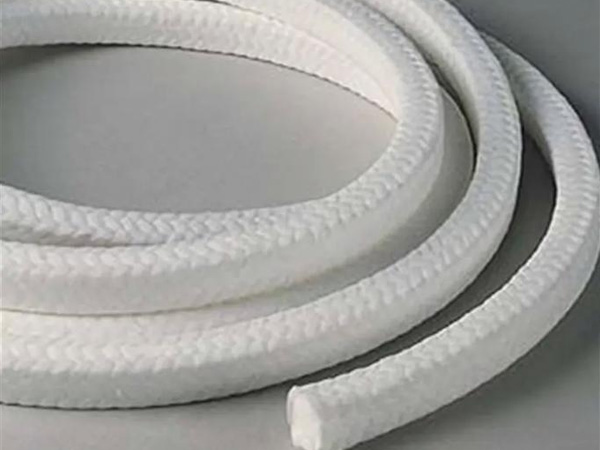
PTFE Packing is a sealing material made from pure polytetrafluoroethylene fibers through a ...