Why Phenolic Foam Is Widely Used in HVAC Insulation Systems
2026-01-25 19:32:13
Phenolic Foam insulation has become one of the most efficient materials for modern HVAC systems. From commercial buildings to industrial facilities, HVAC designers rely on insulation that delivers thermal efficiency, fire safety, and long-term durability. Phenolic Foam insulation stands out because it combines low thermal conductivity with excellent mechanical stability and safety performance.
With Manufacturer-managed Production and Factory-level bulk supply, Phenolic Foam insulation supports large-scale HVAC projects that require consistency, energy savings, and installation reliability. This article explores why Phenolic Foam insulation is widely used and how it enhances HVAC system performance.
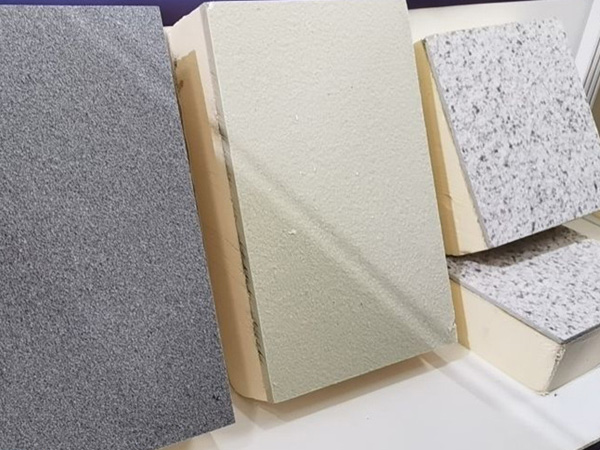
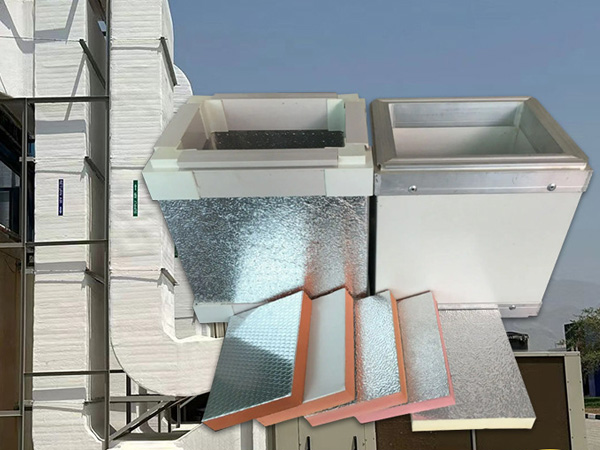
Introduction to Phenolic Foam Insulation in HVAC
Heating, ventilation, and air conditioning systems transport air and fluids across long distances within buildings. Without proper insulation, energy loss, condensation, and fire risk increase significantly.
Phenolic Foam insulation provides a high-performance solution for ducts and pipes by reducing heat transfer and improving system efficiency. In modern Manufacturer Production environments, insulation boards and pre-insulated panels are engineered under strict Factory quality control to meet demanding HVAC standards.
What Is Phenolic Foam Insulation?
Phenolic Foam insulation is a closed-cell rigid foam made from phenolic resin. During Production, the resin is expanded into a lightweight structure with millions of microcells that trap air, creating excellent thermal resistance.
Key properties include:
·Low thermal conductivity
·Closed-cell moisture resistance
·High compressive strength
·Excellent fire performance
·Dimensional stability
Because of these advantages, Phenolic Foam insulation is widely selected for HVAC ductwork and piping systems in both commercial and industrial applications.
Why HVAC Systems Require Advanced Insulation
HVAC networks operate continuously and handle both hot and cold air or fluids. Without efficient insulation, systems experience:
·Energy loss
·Condensation formation
·Temperature instability
·Increased operating costs
·Potential corrosion under insulation
Phenolic Foam insulation minimizes these risks by providing a stable thermal barrier. Manufacturer Production focuses on consistency so Factory bulk supply can support large HVAC installations without performance variation.
Thermal Performance and Energy Efficiency
One of the main reasons for using Phenolic Foam insulation is its excellent thermal performance. Its low thermal conductivity reduces heat transfer across duct and pipe surfaces.
Benefits include:
·Improved HVAC efficiency
·Reduced heating and cooling demand
·Lower energy consumption
·Stable indoor temperature control
With Factory-scale Production, Phenolic Foam insulation panels are manufactured to uniform thickness and density, ensuring predictable thermal results across entire HVAC networks.
Fire Safety and Low Smoke Characteristics
Fire performance is critical in building systems. Phenolic Foam insulation offers superior fire behavior compared to many traditional foams.
Key fire-related advantages:
·Low flame spread
·Low heat release
·Minimal smoke generation
·Improved evacuation safety
Manufacturer Production integrates fire performance testing into Factory processes so Phenolic Foam insulation meets strict safety requirements for HVAC applications in public and industrial buildings.
Moisture Resistance and Dimensional Stability
HVAC systems often operate in humid environments. Condensation can degrade insulation and promote corrosion.
Phenolic Foam insulation provides:
·Closed-cell structure to block moisture
·Resistance to water absorption
·Stable shape under temperature changes
·Long-term durability
These properties protect HVAC systems from corrosion under insulation and help Factory-produced insulation maintain performance throughout service life.
Lightweight Structure and Easy Installation
Installation efficiency directly affects project cost and schedule. Phenolic Foam insulation is lightweight, rigid, and easy to fabricate.
Installation benefits include:
·Reduced handling labor
·Fast cutting and shaping
·Strong bonding compatibility
·Lower transport cost
Manufacturer Production designs boards and panels that integrate easily into Factory packaging and bulk delivery, helping installers complete HVAC projects faster and safer.
Environmental and Indoor Air Quality Benefits
Modern buildings require materials that support environmental responsibility and healthy indoor spaces.
Phenolic Foam insulation contributes by:
·Improving energy efficiency
·Reducing HVAC operational emissions
·Limiting fiber release
·Supporting clean airflow environments
With controlled Production and Factory inspection, Phenolic Foam insulation products meet performance and sustainability expectations for green building systems.
Manufacturer Production and Factory Bulk Supply
Behind high-quality Phenolic Foam insulation is a controlled manufacturing process. Professional Manufacturer operations manage:
·Resin formulation
·Foam expansion control
·Panel cutting and finishing
·Surface treatment
·Dimensional inspection
Factory bulk supply ensures:
·Uniform density
·Consistent thickness
·Reliable packaging
·Traceable quality records
This integrated approach allows Phenolic Foam insulation to be delivered in large volumes for HVAC projects worldwide without sacrificing performance consistency.
Applications of Phenolic Foam in HVAC Projects
Phenolic Foam insulation is widely used in:
·Pre-insulated air ducts
·Chilled water piping
·Heating pipelines
·Cleanroom HVAC systems
·Commercial and industrial ventilation networks
Because of its thermal stability and fire performance, Manufacturer Production supports Factory bulk supply for both small installations and major infrastructure developments.
Conclusion: Phenolic Foam Insulation for Modern HVAC Systems
Phenolic Foam insulation delivers the combination of thermal efficiency, fire safety, moisture resistance, and installation convenience required by modern HVAC systems. Its closed-cell structure, low thermal conductivity, and stable performance make it a preferred choice across commercial and industrial applications.
Supported by Manufacturer-controlled Production and Factory-level bulk supply, Phenolic Foam insulation ensures reliable performance from fabrication to installation. Choosing Phenolic Foam insulation is not just about insulation material—it is about improving HVAC efficiency, safety, and long-term operational value in today’s buildings.
References
GB/T 7714:Papadopoulos A M. State of the art in thermal insulation materials and aims for future developments[J]. Energy and buildings, 2005, 37(1): 77-86.
MLA:Papadopoulos, Agis M. "State of the art in thermal insulation materials and aims for future developments." Energy and buildings 37.1 (2005): 77-86.
APA:Papadopoulos, A. M. (2005). State of the art in thermal insulation materials and aims for future developments. Energy and buildings, 37(1), 77-86.
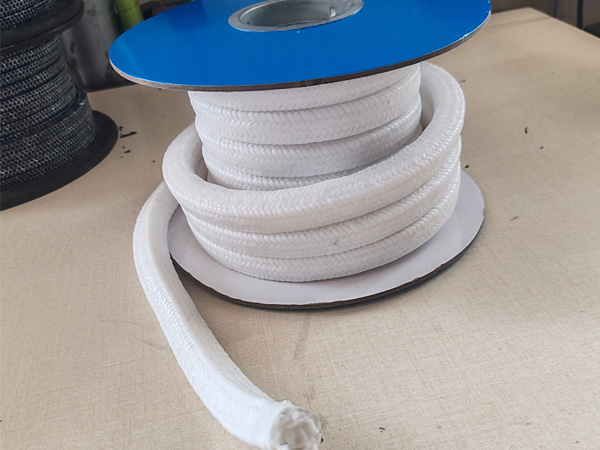
PTFE Packing is a sealing material made from pure polytetrafluoroethylene fibers through a ...
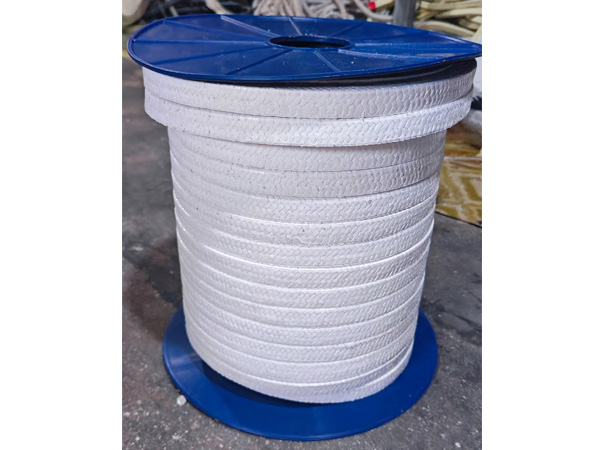
It is made from aramid fibers and black PTFE by a special mixed weaving process. High-stren...
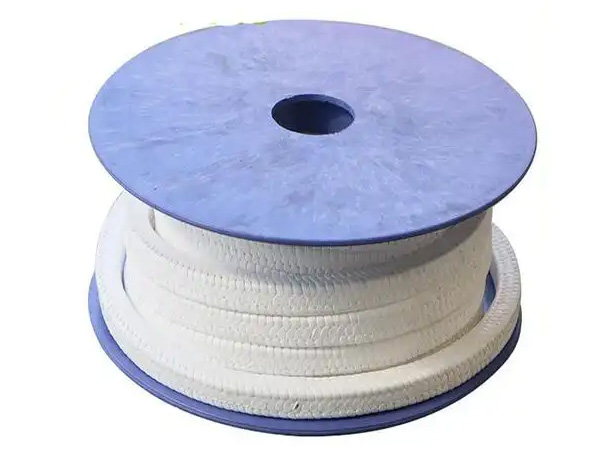
PTFE packing can be classified into aramid blended black PTFE packing, white PTFE packing, ...
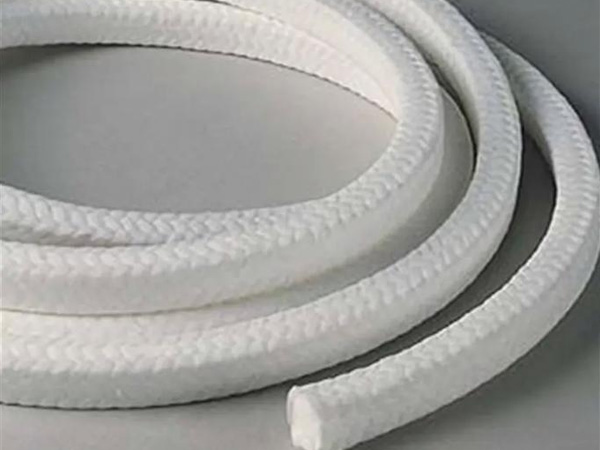
PTFE Packing is a sealing material made from pure polytetrafluoroethylene fibers through a ...