Top Acoustic Benefits of Using Sound Insulation Cotton in Walls
2026-01-22 17:18:26
Why Sound Insulation Cotton Matters in Wall Systems
Sound insulation cotton plays an increasingly important role in modern building design as acoustic comfort becomes a priority in residential, commercial, and industrial spaces. With rising urban density and higher expectations for indoor environments, controlling noise transmission through walls has become essential.
As a flexible and efficient acoustic material, sound insulation cotton is commonly integrated into wall cavities to reduce airborne noise and improve overall sound quality. When produced through standardized manufacturing processes, sound insulation cotton offers consistent acoustic performance and reliable installation results for large-scale construction projects.
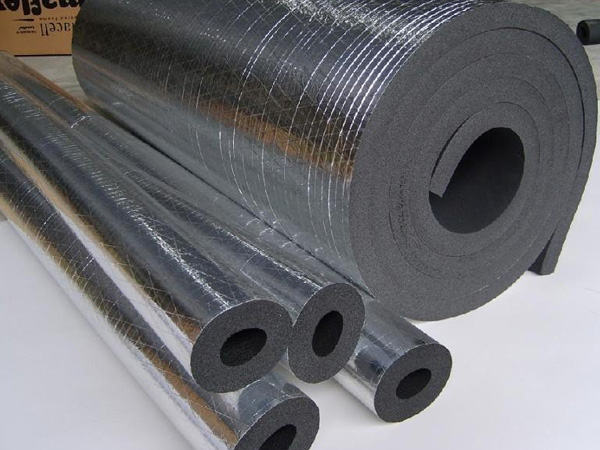
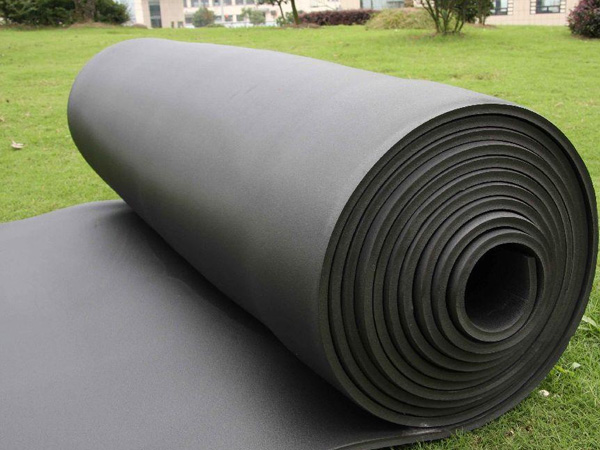
1. Effective Reduction of Airborne Noise
One of the primary acoustic benefits of sound insulation cotton is its ability to reduce airborne noise transmission through walls. Airborne sounds such as voices, music, and traffic noise can easily travel through wall structures if no sound-absorbing material is present.
Sound insulation cotton works by absorbing sound waves within its fibrous structure, converting sound energy into minimal heat through friction. This absorption reduces the intensity of noise passing from one space to another, creating quieter and more comfortable indoor environments.
This property makes sound insulation cotton especially suitable for residential apartments, offices, hotels, and educational buildings.
2. Improved Sound Absorption and Echo Control
Beyond blocking noise, sound insulation cotton significantly improves sound absorption inside rooms. Bare wall cavities can reflect sound waves, causing echoes and poor acoustic quality.
By filling wall cavities with sound insulation cotton, reflections are reduced, resulting in clearer speech and improved sound clarity. This benefit is particularly valuable in meeting rooms, classrooms, home theaters, and recording spaces where acoustic performance directly affects functionality.
The porous structure of sound insulation cotton allows it to absorb a broad range of sound frequencies, contributing to balanced acoustic conditions.
3. Enhanced Acoustic Comfort Between Adjacent Spaces
Sound insulation cotton helps create acoustic separation between adjacent rooms or units. In multi-family housing and commercial buildings, noise transfer between neighboring spaces is a common concern.
By integrating sound insulation cotton into wall assemblies, designers can significantly reduce sound transmission between rooms, enhancing privacy and occupant satisfaction. This acoustic separation is essential in buildings where different activities occur simultaneously, such as mixed-use developments.
Consistent material density achieved through controlled production ensures predictable acoustic performance across large projects.
4. Compatibility with Different Wall Structures
Another advantage of sound insulation cotton is its compatibility with various wall systems, including drywall partitions, lightweight steel structures, and masonry walls with internal cavities.
The flexible nature of sound insulation cotton allows it to fit tightly within wall spaces, minimizing gaps that could compromise acoustic performance. This adaptability simplifies installation and helps maintain consistent soundproofing results across different construction methods.
For projects requiring bulk supply, sound insulation cotton produced by experienced manufacturers supports uniform quality and stable delivery schedules.
5. Contribution to Thermal Comfort and Energy Efficiency
While primarily used for acoustic purposes, sound insulation cotton also contributes to thermal insulation. Its fibrous structure traps air, reducing heat transfer through walls and supporting indoor temperature stability.
This dual-function performance adds value to building systems by improving both acoustic and thermal comfort without increasing wall thickness significantly. As a result, sound insulation cotton is often selected for buildings aiming to optimize space utilization and energy efficiency simultaneously.
6. Fire and Safety Performance Considerations
In wall applications, material safety is an important consideration. Sound insulation cotton used in building systems is typically designed to meet relevant fire safety standards, helping improve overall wall system performance.
When properly selected and installed, sound insulation cotton can contribute to safer building envelopes without compromising acoustic effectiveness. Stable material behavior under elevated temperatures is an important factor for modern construction requirements.
7. Durability and Long-Term Acoustic Performance
Long-term acoustic performance depends on material stability. High-quality sound insulation cotton maintains its structure over time, resisting settling or compression that could reduce sound absorption efficiency.
Durable performance is especially important in buildings where walls are not easily accessible for maintenance. Consistent quality from manufacturer-level production lines ensures reliable performance throughout the building’s service life.
Conclusion: Why Sound Insulation Cotton Is an Effective Wall Solution
Sound insulation cotton offers multiple acoustic benefits when used in wall systems, including effective noise reduction, improved sound absorption, enhanced privacy, and long-term performance stability. Its compatibility with different wall structures and contribution to thermal comfort further increase its value in modern construction.
When supplied through controlled production processes and bulk supply channels, sound insulation cotton provides consistent acoustic performance for residential, commercial, and industrial buildings. As demand for quieter and more comfortable indoor environments continues to grow, sound insulation cotton remains a practical and reliable choice for wall insulation solutions.
References
GB/T 7714:Everest F A. Master handbook of acoustics[M]. 2022.
MLA:Everest, F. Alton. Master handbook of acoustics. 2022.
APA:Everest, F. A. (2022). Master handbook of acoustics.
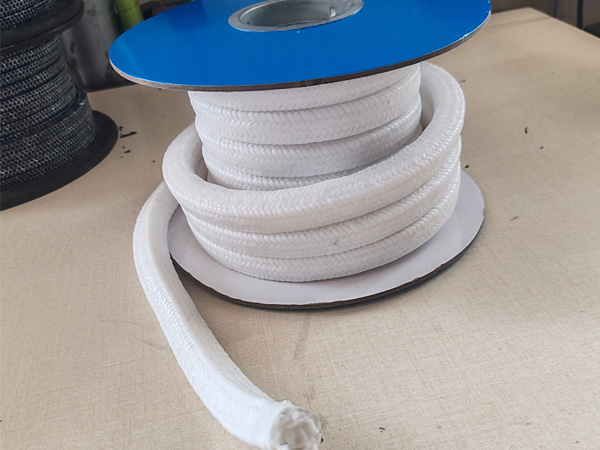
PTFE Packing is a sealing material made from pure polytetrafluoroethylene fibers through a ...
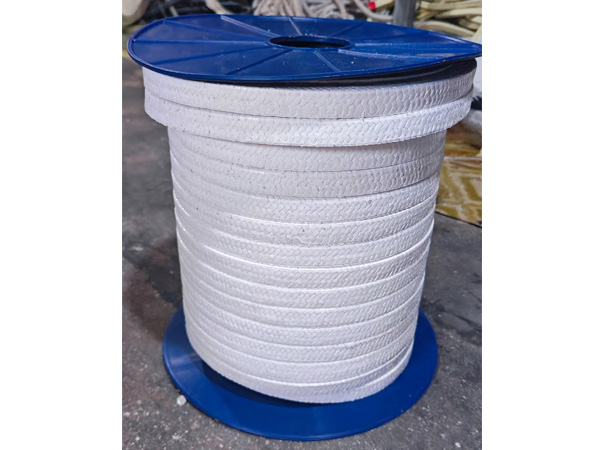
It is made from aramid fibers and black PTFE by a special mixed weaving process. High-stren...
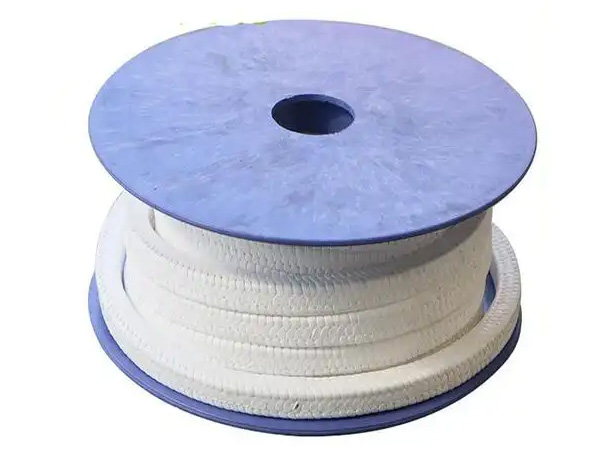
PTFE packing can be classified into aramid blended black PTFE packing, white PTFE packing, ...
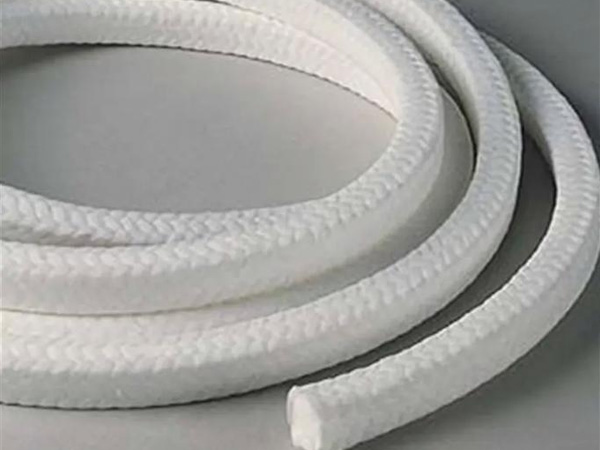
PTFE Packing is a sealing material made from pure polytetrafluoroethylene fibers through a ...