How to Choose the Right Exterior Wall Insulation for Your Building Type
2026-01-19 17:04:52
Why Exterior Wall Insulation Matters
Exterior wall insulation is a key component of modern building envelopes, directly influencing energy efficiency, indoor comfort, and long-term structural performance. As building codes become more demanding and energy costs continue to rise, selecting the right exterior wall insulation has become an essential decision for architects, developers, and construction professionals.
Different building types—such as residential housing, commercial buildings, and industrial facilities—present unique insulation requirements. Understanding how exterior wall insulation performs under varying conditions helps ensure reliable thermal protection and long-term value. This article provides a practical guide to choosing suitable exterior wall insulation solutions based on building type and application needs.
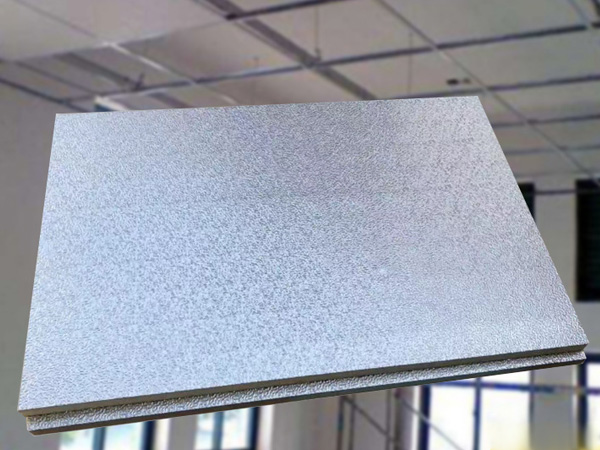
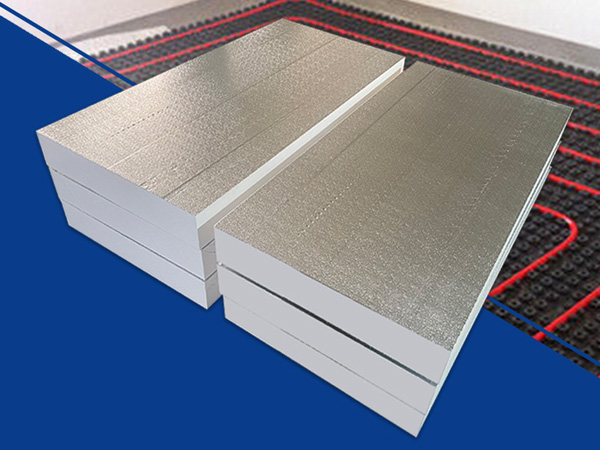
1. Understanding the Function of Exterior Wall Insulation
The primary function of exterior wall insulation is to reduce heat transfer between indoor and outdoor environments. By creating a continuous thermal barrier, exterior wall insulation minimizes thermal bridging and stabilizes indoor temperatures throughout the year.
In addition to thermal performance, exterior wall insulation contributes to moisture control, acoustic comfort, and protection of the building structure. When properly designed and installed, it can significantly extend the service life of exterior walls and reduce maintenance requirements.
2. Key Factors to Consider When Selecting Exterior Wall Insulation
Choosing the right exterior wall insulation involves evaluating several critical factors:
Thermal Performance
Thermal conductivity determines how effectively insulation reduces heat flow. Lower thermal conductivity generally leads to better energy efficiency and thinner insulation layers.
Fire Safety
Fire performance is especially important for exterior wall systems. Insulation materials with inherent fire resistance or stable behavior under high temperatures help enhance overall building safety.
Moisture Resistance
Exterior walls are constantly exposed to weather conditions. Insulation with low water absorption and good vapor resistance helps maintain long-term thermal performance.
Durability and Stability
Dimensional stability ensures that exterior wall insulation maintains its shape and effectiveness despite temperature changes and aging.
3. Exterior Wall Insulation for Residential Buildings
Residential buildings prioritize comfort, energy efficiency, and safety. Exterior wall insulation used in housing projects typically focuses on maintaining stable indoor temperatures while reducing heating and cooling costs.
Lightweight insulation materials with good thermal resistance are commonly used in residential exterior walls. Consistent quality from manufacturer-level production helps ensure uniform performance across large housing developments, especially when bulk supply is required for multi-unit projects.
4. Exterior Wall Insulation for Commercial Buildings
Commercial buildings often have larger wall surfaces and higher energy demands. Exterior wall insulation for offices, shopping centers, and public facilities must deliver reliable thermal performance while meeting strict fire and safety standards.
In these applications, insulation materials are often selected for their balance of thermal efficiency, mechanical strength, and dimensional stability. Large-scale production capabilities allow for standardized insulation specifications that simplify installation and improve construction efficiency.
5. Exterior Wall Insulation for Industrial Facilities
Industrial buildings face more demanding environmental conditions, including temperature fluctuations, mechanical stress, and exposure to moisture or chemicals. Exterior wall insulation for industrial facilities must provide robust performance and long-term durability.
Higher-density insulation materials are often preferred in these settings to improve strength and resistance to deformation. Reliable production processes and quality control are critical to ensuring consistent insulation performance in large industrial projects.
6. Climate and Environmental Considerations
Climate conditions play a significant role in determining the most suitable exterior wall insulation. Cold climates typically require thicker insulation layers to achieve desired thermal resistance, while hot or mixed climates focus on reducing heat gain and maintaining indoor comfort.
Moisture levels, wind exposure, and temperature extremes should all be considered when selecting insulation materials. Exterior wall insulation that performs well across a wide range of environmental conditions offers greater flexibility for different geographic regions.
7. Installation and System Compatibility
Exterior wall insulation must be compatible with the overall wall system, including finishes, fastening methods, and structural components. Proper installation ensures continuous insulation coverage and minimizes thermal bridges.
Standardized insulation dimensions and stable physical properties help simplify installation and reduce on-site adjustments. For large construction projects, insulation materials supplied through controlled production and bulk supply channels support efficient project execution.
Conclusion: Making an Informed Choice for Exterior Wall Insulation
Choosing the right exterior wall insulation requires a clear understanding of building type, environmental conditions, and performance requirements. Whether applied in residential, commercial, or industrial buildings, exterior wall insulation plays a vital role in improving energy efficiency, safety, and long-term durability.
By considering thermal performance, fire resistance, moisture control, and production consistency, project planners can select exterior wall insulation solutions that deliver reliable results. When supported by standardized manufacturing processes and dependable bulk supply, exterior wall insulation remains a practical and effective solution for modern building envelopes.
References
GB/T 7714:Al-Homoud M S. Performance characteristics and practical applications of common building thermal insulation materials[J]. Building and environment, 2005, 40(3): 353-366.
MLA:Al-Homoud, Mohammad S. "Performance characteristics and practical applications of common building thermal insulation materials." Building and environment 40.3 (2005): 353-366.
APA:Al-Homoud, M. S. (2005). Performance characteristics and practical applications of common building thermal insulation materials. Building and environment, 40(3), 353-366.
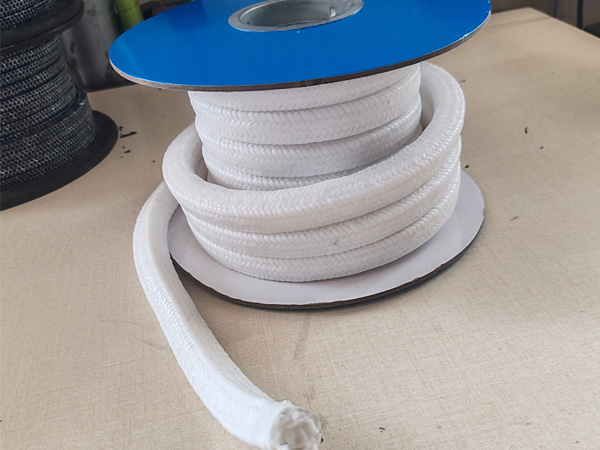
PTFE Packing is a sealing material made from pure polytetrafluoroethylene fibers through a ...
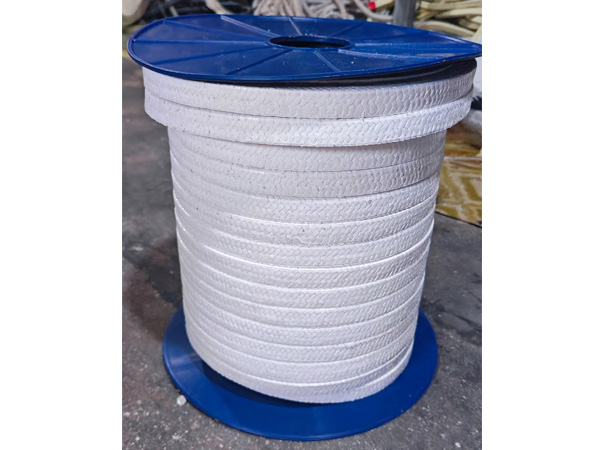
It is made from aramid fibers and black PTFE by a special mixed weaving process. High-stren...
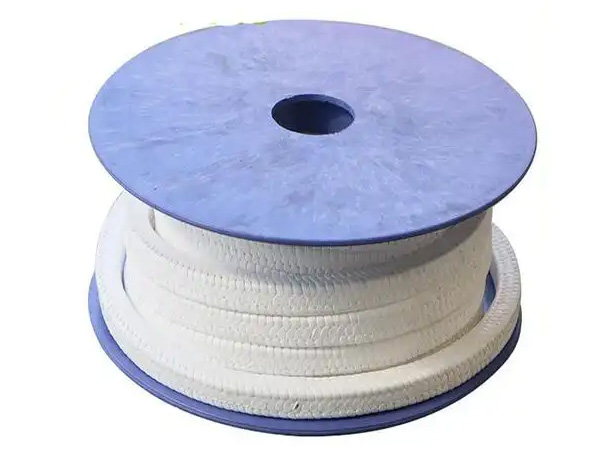
PTFE packing can be classified into aramid blended black PTFE packing, white PTFE packing, ...
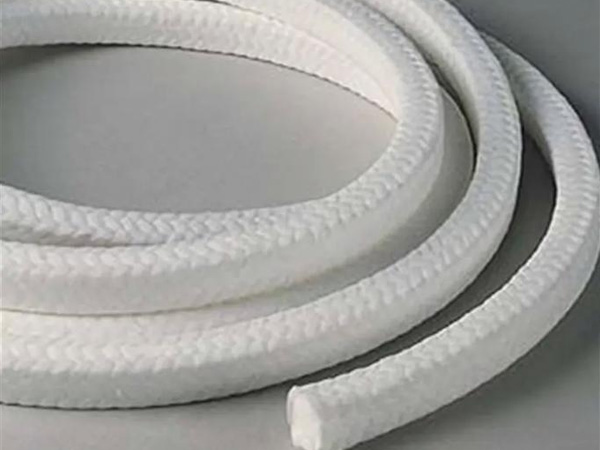
PTFE Packing is a sealing material made from pure polytetrafluoroethylene fibers through a ...