How Exterior Wall Insulation Helps Prevent Heat Loss in Winter
2026-02-10 08:01:03
Exterior wall insulation plays a critical role in maintaining indoor warmth during cold seasons. As winter temperatures drop, buildings without proper insulation allow valuable heat to escape through walls, increasing energy consumption and reducing comfort. By creating a continuous thermal barrier, exterior wall insulation limits heat transfer and improves overall building efficiency.
Supported by professional Manufacturer-controlled Production and Factory-scale bulk supply, exterior wall insulation systems are engineered to deliver stable performance across residential, commercial, and industrial projects. Understanding how this insulation works helps designers and property owners make smarter energy-saving decisions.
Introduction to Exterior Wall Insulation
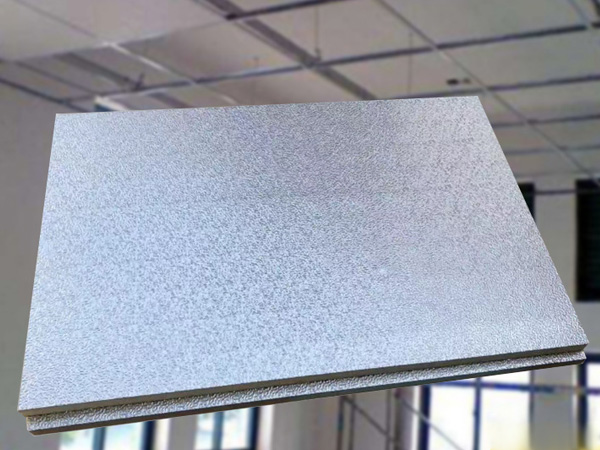
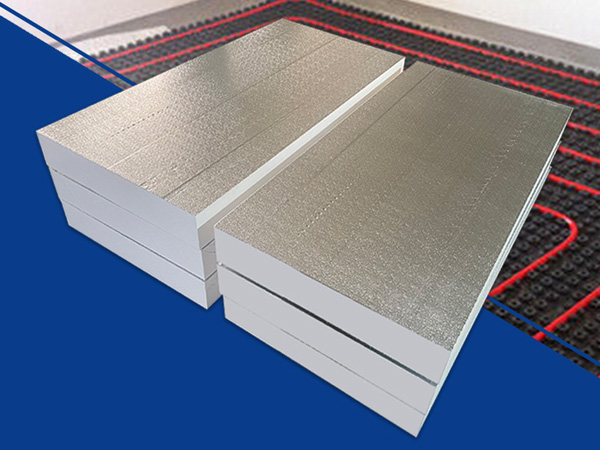
Modern buildings are expected to balance energy efficiency, comfort, and durability. Exterior wall insulation is installed on the outer side of the building envelope to wrap the structure in a protective thermal layer. Unlike interior solutions, it minimizes thermal bridges and shields structural elements from direct exposure to outdoor temperatures.
During Manufacturer Production, insulation boards or panels are designed with controlled density, thickness, and surface treatment. Factory bulk supply ensures consistent quality and uniform dimensions for large-scale construction and retrofit projects.
Why Buildings Lose Heat in Winter
Heat loss mainly occurs through conduction, convection, and radiation. Walls are one of the largest surfaces exposed to cold outdoor air, making them major pathways for energy leakage.
Common causes of winter heat loss include:
·Poorly insulated wall structures
·Thermal bridges at joints and fasteners
·Air infiltration through cracks
·Moisture reducing insulation efficiency
Exterior wall insulation addresses these issues by creating a continuous layer that blocks heat flow and reduces air movement within wall assemblies.
The Science Behind Exterior Wall Insulation
The effectiveness of exterior wall insulation lies in its ability to resist heat transfer. Insulating materials contain trapped air or gas pockets that slow down conduction and convection.
Key technical functions include:
·Reducing thermal conductivity
·Limiting temperature gradients
·Blocking convective air currents
·Reflecting radiant heat in some systems
Through precise Production control, Manufacturer facilities ensure insulation materials maintain uniform microstructure. Factory output delivers stable thermal resistance for winter performance.
Thermal Performance and Energy Savings
One of the biggest advantages of exterior wall insulation is energy efficiency. By preventing indoor heat from escaping, heating systems work less to maintain comfortable temperatures.
Energy-related benefits:
·Lower heating demand
·Reduced fuel or electricity use
·More stable indoor temperatures
·Improved building energy ratings
Factory bulk supply supports projects that require consistent exterior wall insulation across large building areas, ensuring predictable thermal behavior in cold climates.
Moisture Control and Condensation Prevention
Winter conditions often create condensation when warm indoor air meets cold wall surfaces. Moisture can damage building materials and reduce insulation effectiveness.
Exterior wall insulation helps by:
·Keeping wall surfaces warmer
·Reducing vapor condensation risk
·Protecting structural layers
·Enhancing long-term durability
Manufacturer Production integrates moisture-resistant formulations and surface treatments so Factory-supplied insulation maintains performance even under fluctuating winter humidity.
Comfort Improvement for Indoor Spaces
Beyond energy savings, exterior wall insulation significantly improves indoor comfort. Cold walls can create drafts and uneven temperatures, even when heating systems are running.
Comfort advantages include:
·More uniform indoor temperatures
·Reduced cold spots
·Better thermal stability
·Improved living and working environments
With consistent Factory bulk supply, exterior wall insulation supports comfort improvement for residential homes, offices, and industrial buildings alike.
Durability and Weather Resistance
Exterior wall insulation also protects the structural core of buildings from temperature extremes, freeze-thaw cycles, and weather exposure.
Durability benefits:
·Reduced thermal stress on walls
·Protection against cracking
·Extended service life
·Lower maintenance needs
Manufacturer-controlled Production ensures insulation materials are tested for strength, weather resistance, and dimensional stability before Factory delivery for bulk construction use.
Manufacturer Production and Factory Bulk Supply
Quality exterior wall insulation begins with advanced manufacturing processes. Professional Manufacturer operations manage:
·Material formulation
·Density and thickness calibration
·Surface finishing
·Cutting and packaging
·Logistics coordination
Factory bulk supply ensures:
·Uniform insulation panels
·Reliable delivery schedules
·Stable performance consistency
·Efficient large-volume production
This integrated Production system allows exterior wall insulation to meet both technical and commercial requirements for international construction projects.
Applications of Exterior Wall Insulation
Exterior wall insulation is widely applied in:
·Residential housing upgrades
·Commercial building envelopes
·Industrial facility walls
·Cold-region infrastructure
·Energy-efficient renovation projects
Thanks to Manufacturer Production capacity and Factory bulk supply, exterior wall insulation supports both new construction and retrofit markets effectively.
How to Choose the Right Exterior Wall Insulation
When selecting exterior wall insulation, consider:
·Thermal resistance needs
·Climate conditions
·Moisture exposure
·Mechanical durability
·Installation methods
Working with Manufacturer Production planning ensures Factory-supplied insulation matches project-specific technical and environmental requirements.
Conclusion: Exterior Wall Insulation Protects Winter Energy Efficiency
Exterior wall insulation is one of the most effective ways to prevent heat loss during winter. By reducing thermal transfer, controlling moisture, and improving comfort, it creates a reliable barrier between indoor spaces and cold outdoor environments.
Backed by Manufacturer-controlled Production and Factory-level bulk supply, exterior wall insulation delivers consistent performance from installation to long-term operation. Choosing high-quality exterior wall insulation is not just about saving energy—it is about creating warmer, more durable, and more efficient buildings for winter and beyond.
References
GB/T 7714:Papadopoulos A M. State of the art in thermal insulation materials and aims for future developments[J]. Energy and buildings, 2005, 37(1): 77-86.
MLA:Papadopoulos, Agis M. "State of the art in thermal insulation materials and aims for future developments." Energy and buildings 37.1 (2005): 77-86.
APA:Papadopoulos, A. M. (2005). State of the art in thermal insulation materials and aims for future developments. Energy and buildings, 37(1), 77-86.
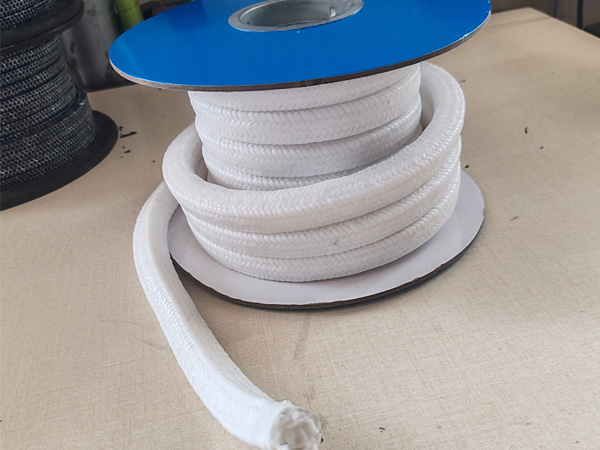
PTFE Packing is a sealing material made from pure polytetrafluoroethylene fibers through a ...
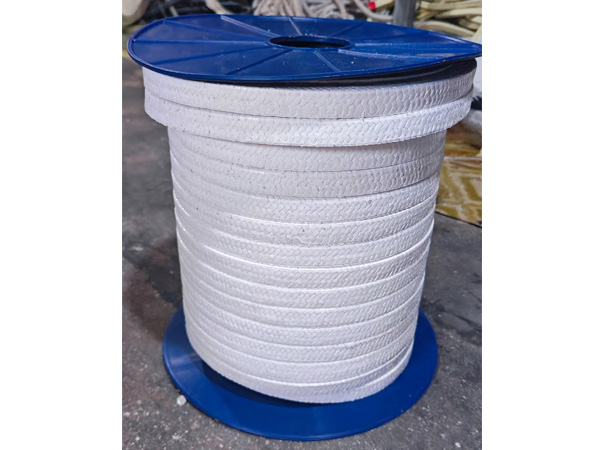
It is made from aramid fibers and black PTFE by a special mixed weaving process. High-stren...
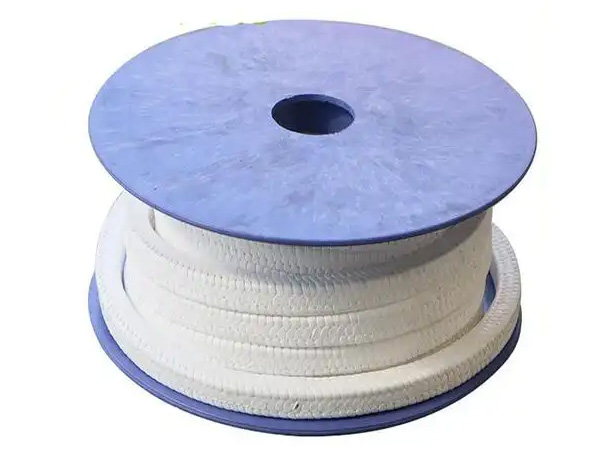
PTFE packing can be classified into aramid blended black PTFE packing, white PTFE packing, ...
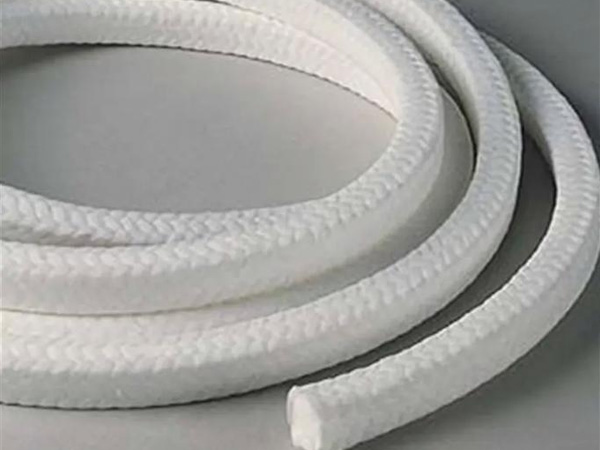
PTFE Packing is a sealing material made from pure polytetrafluoroethylene fibers through a ...