Waterproof and Moisture Resistance Mechanism of Elastomeric Foam
2025-06-18 15:39:49
Waterproof and Moisture Resistance Mechanism of Elastomeric Foam
1. Closed-Cell Structure
Physical Barrier: The foam's tightly packed, non-interconnected cells block liquid water penetration, preventing bulk water absorption.
Cell Wall Integrity: Chemically crosslinked polymer matrices maintain structural stability even under prolonged water exposure.
2. Hydrophobic Material Composition
Polymer Selection: Base materials like NBR (nitrile rubber) or EPDM inherently repel water molecules.
Additive Enhancement: Silicone-based modifiers further reduce surface energy, creating a water-beading effect (contact angle >90°).
3. Vapor Diffusion Resistance
Low Permeability: With water vapor transmission rates (WVTR) as low as 0.001 perm-inch, it outperforms most building membranes.
Molecular Blocking: The material's fine cell structure (50-200μm cell size) significantly slows vapor molecule movement.
4. Seam Engineering
Self-Sealing Edges: Factory-applied butyl adhesive strips create continuous moisture barriers at joints.
Lap Joint Design: Overlapping installation techniques eliminate direct water ingress paths.
5. Chemical Moisture Resistance
pH Stability: Maintains performance in acidic/alkaline environments (pH 2-12 range).
Saltwater Tolerance: Special formulations resist chloride ion penetration, crucial for marine applications.
6. Long-Term Performance Safeguards
Anti-Capillary Action: Micro-porous additives prevent wicking through cut edges.
Fungal Resistance: Biocidal additives inhibit mold growth even at 95% RH.
Practical Implications:
Below-Grade Use: Requires only simple edge sealing unlike fibrous insulations needing full encapsulation.
Refrigeration Systems: Eliminates condensation risk even at 90% humidity with ΔT=20°C.
For extreme environments (e.g., submerged applications), specify fully bonded membrane-faced variants with welded seams. Current R&D focuses on superhydrophobic nano-coatings to achieve lotus-effect surfaces.
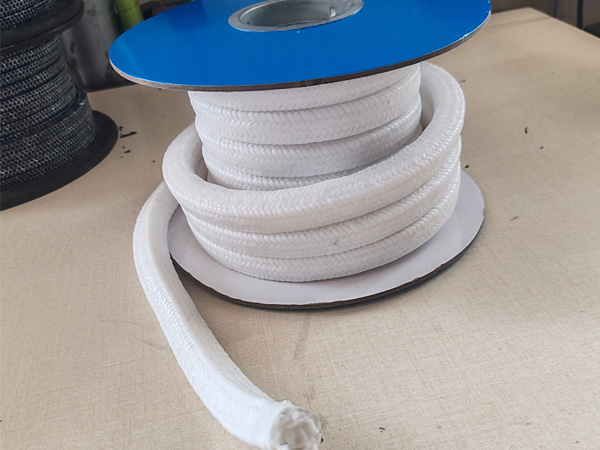
PTFE Packing is a sealing material made from pure polytetrafluoroethylene fibers through a ...
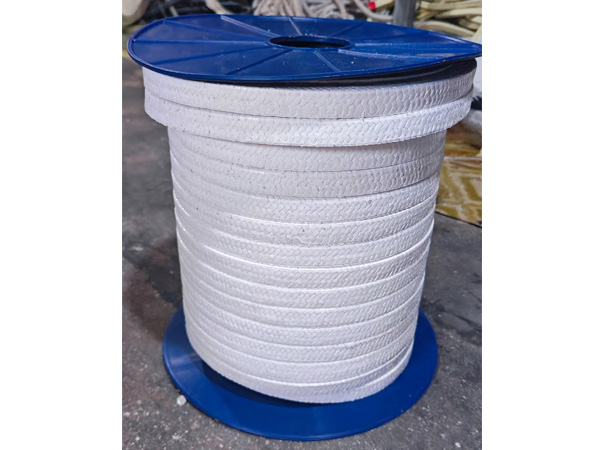
It is made from aramid fibers and black PTFE by a special mixed weaving process. High-stren...
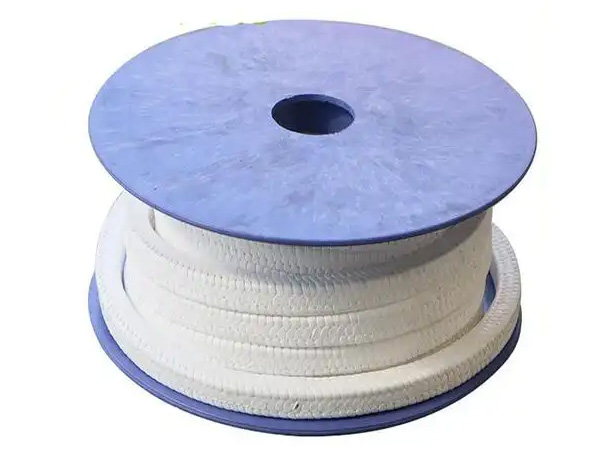
PTFE packing can be classified into aramid blended black PTFE packing, white PTFE packing, ...
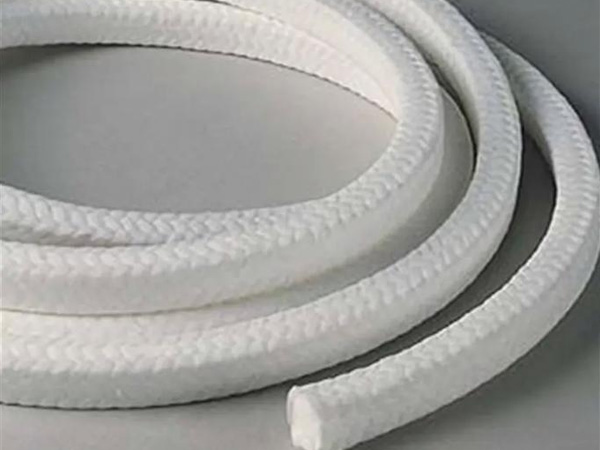
PTFE Packing is a sealing material made from pure polytetrafluoroethylene fibers through a ...